REVIEW · HO CHI MINH CITY
Cu Chi Tunnels Half Day Tour:Vietnam War Underground Network
Book on GetYourGuide →Operated by MILLENIUM TRAVEL CO.,LTD · Bookable on GetYourGuide
Cu Chi isn’t a postcard kind of place. This half-day tour turns Vietnam War history into a hands-on, underground experience, with a guided crawl, wartime food, and optional shooting practice. You start in District 1, ride about 1.5 hours out, then spend real time inside the Cu Chi Ben Duoc tunnel area.
I especially like two things: first, the way the day mixes classroom-style context (a short history video) with practical, on-the-ground explanations. Second, the guide quality can be excellent; one guide named Felix was singled out for clear, high-level English and good pacing in recent reports. That combination makes it easier for you to follow what you’re seeing, even if you know nothing going in.
The main drawback to consider is physical: you’ll be moving through tight, dark spaces. This tour isn’t suitable for people with heart problems, pregnant women, or anyone with limited mobility, and it’s not a great choice if claustrophobia or strenuous movement is an issue for you.
In This Review
- Key highlights worth your time
- Cu Chi Ben Duoc: what you’re really paying for
- Getting from District 1 to Cu Chi (and why timing matters)
- The history video on the way out: the fast course you need
- Cu Chi Ben Duoc: guided tunnel stops and what they mean
- The “crawl day” practical reality: comfort and safety
- Break time and the pace of a small group
- Steamed cassava and tea: a small taste with big context
- Optional shooting range: deciding the line you want to cross
- Lunch timing: how to plan your food without surprises
- Price and value: does $23 make sense for this day?
- Who should book this Cu Chi tunnels half-day tour
- Final thoughts: should you book?
- FAQ
- FAQ
- How long is the Cu Chi Tunnels half-day tour?
- What time does pick-up happen in Ho Chi Minh City?
- How do I get to the meeting point if I’m doing my own transport?
- Is lunch included in the price?
- What’s included during the tunnel visit?
- Is the shooting range part optional?
Key highlights worth your time

- Guided Cu Chi Ben Duoc tunnels with structured stops for kitchens, bedrooms, field hospitals, storage, weapons, and command areas
- Short history video before you crawl, so the tunnels make sense fast
- Wartime food tasting: steamed cassava with salt and special tea
- Crawl-through experience with the guide’s instructions on tight, underground zones
- Optional shooting range to fire a gun of your choice (with ammunition for sale)
Cu Chi Ben Duoc: what you’re really paying for
This tour is priced around $23 per person, and at that level you’re mostly buying three things: transport, a guide, and access. The value comes from the fact that it’s not just a viewing platform; you get guided entry into an underground system and you spend time moving through representative spaces.
The “half day” format matters. It keeps the day focused: you’ll spend more time doing than waiting, and you’re back in Ho Chi Minh City the same day. If you only have a short window, this is a practical way to see Cu Chi without sacrificing your entire afternoon.
That said, it’s still a Vietnam War site with a living, working reality beneath your feet. Don’t treat it like an easy sightseeing walk. You’re going into spaces designed to restrict movement, and the experience can be intense.
You can also read our reviews of more tours and experiences in Ho Chi Minh City.


Getting from District 1 to Cu Chi (and why timing matters)
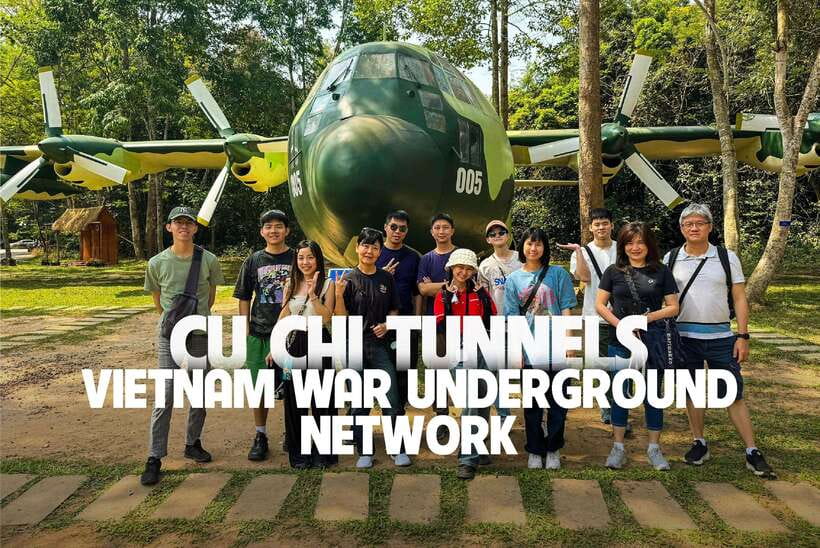
Pick-up is the big convenience win. If you choose the optional service, you’ll be collected from select central District 1 areas, with meeting time at 8:00 AM. The official meeting point is at 112 Tran Hung Đạo Street, Ben Thanh Ward, District 1, and you should arrive at least 10 minutes early.
The ride to Cu Chi is about 1.5 hours by van. Plan for a steady morning routine: early start, ride out, then your visit begins. If you’re staying near Ben Thanh, the logistics are usually smooth, but don’t plan anything crucial right after the tour ends because drop-off depends on traffic and weather.
One caution I’d take from past experiences: punctuality can be a weak point on some dates. If you’re sensitive to delays, give yourself extra buffer and keep your next plan flexible. It’s not rare in busy cities; still, it’s smart to assume the day might run a bit later than you hoped.
The history video on the way out: the fast course you need
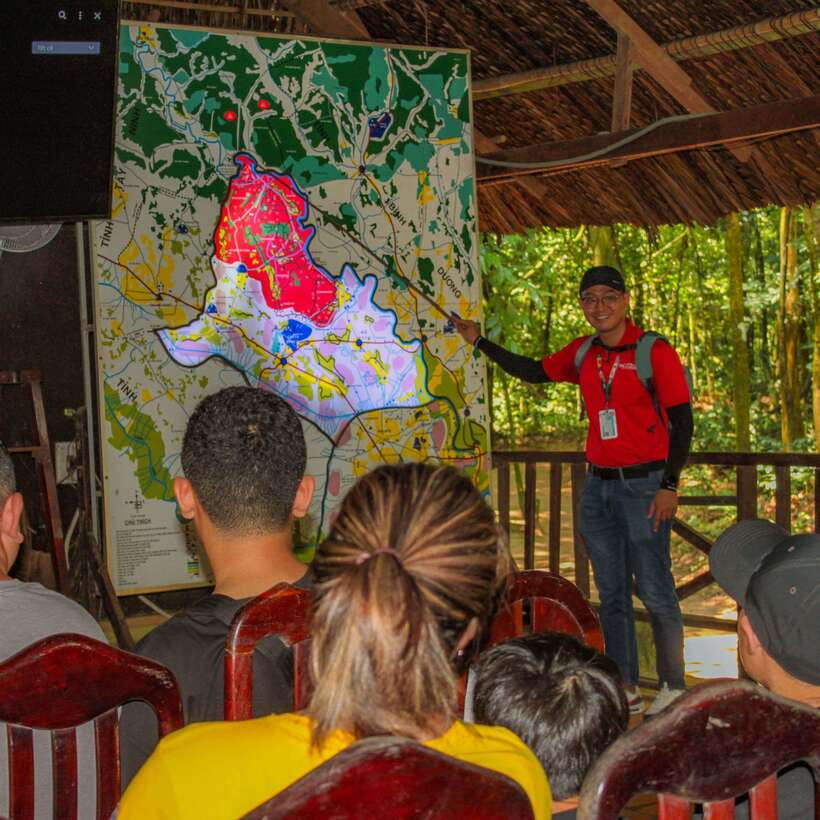
Before you go underground, you’ll watch a short video presentation about the Cu Chi Tunnels and the Vietnam War context. This isn’t filler. It’s the basic “map in your head” you’ll need so the tunnel stops don’t feel like a random sequence of dark rooms.
During the video and early guiding, you’ll learn how the Viet Cong lived and fought underground, and what life looked like when you’re constantly hiding. Even if you already know the broad story, this short intro helps you connect the physical spaces to their purpose.
I like this staging because it lowers confusion. You arrive at the tunnel area with a framework already formed, and the guide can then point to what you’re seeing—without slowing the group down to explain everything from scratch.
Cu Chi Ben Duoc: guided tunnel stops and what they mean
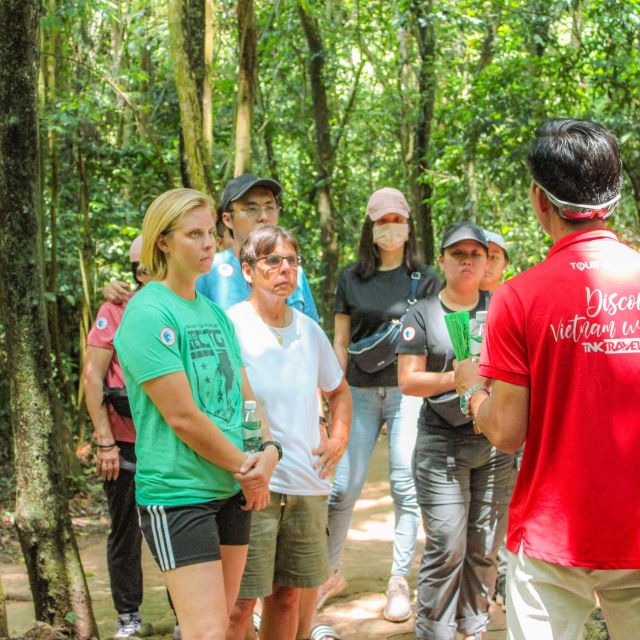
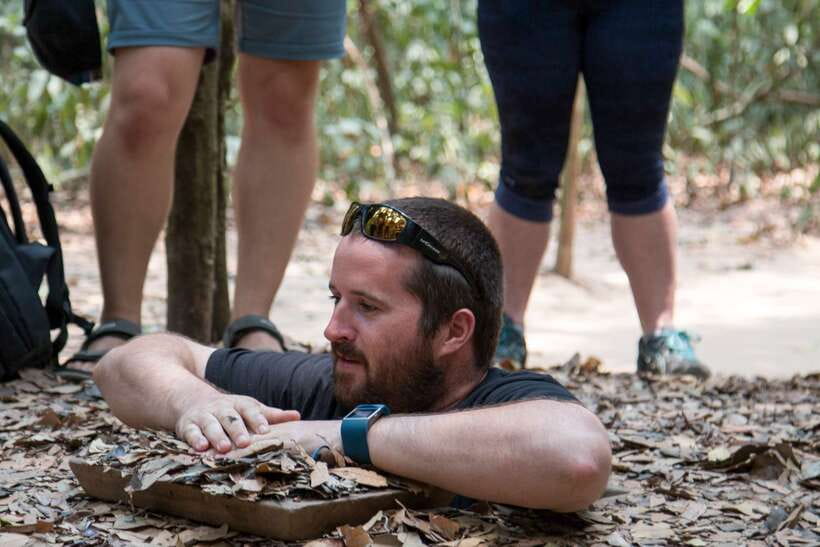
Your guided visit includes a tour through a section of the underground network where Viet Cong set up base as a hideout from their enemies. The schedule points to about 1 hour of tunnel time, plus break time after.
What you’ll experience is structured like a tour of functions, not just a tunnel crawl. The guide’s route commonly covers places such as:
- underground kitchens
- bedrooms
- field hospitals
- storage facilities
- weapons factories
- a command center
Each stop helps you understand how survival worked underground. You’re not just looking at engineering tricks; you’re seeing how people organized space for food, medicine, production, and coordination. That’s the real value here: the tunnels show how necessity becomes design.
The crawl itself is the main sensory takeaway. Expect tight, dark spaces and follow-the-guide instructions. If you’ve ever worn a seatbelt too tight or tried to squeeze into a small locker, you get the feeling. It’s that kind of restricted movement, only longer and more deliberate.
The “crawl day” practical reality: comfort and safety
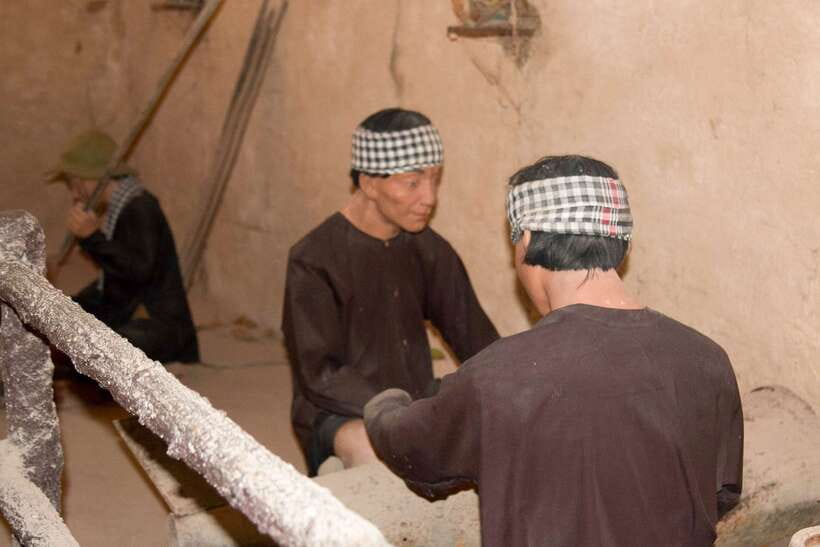
This is where you need honesty with yourself. The tour isn’t suitable for heart conditions, and it’s listed as not good for people who are physically disabled or pregnant. The reason is simple: getting through tight spaces and moving while crouched or low takes effort.
Also, it’s a place where footing and movement matter. You’ll want to go in calm and controlled. If you rush, you’ll feel it fast.
Clothing rules can affect your comfort. The information you’re given includes restrictions such as no shorts, no hats, no sunglasses—but it also lists sunglasses and a sun hat in the “what to bring” section. Because that’s contradictory, the best move is to follow whatever the guide and staff are enforcing that morning. If you want to avoid friction, wear clothing that clearly covers appropriately and lets you move easily.
You’ll also appreciate basic sun protection for the waiting and walking sections above ground. Just check the dress code first so you don’t end up stuck outside or asked to change.



Break time and the pace of a small group
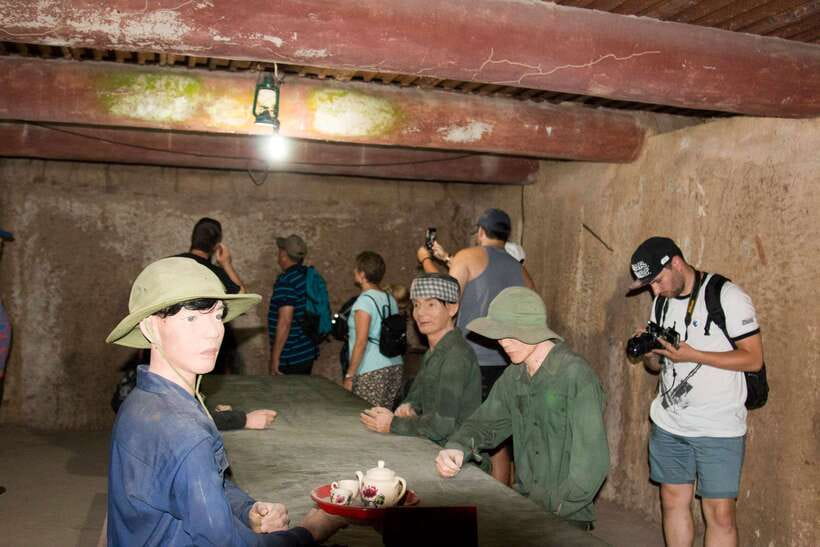
After the tunnel portion, there’s a 30-minute break built into the flow. This matters because the underground segment takes more out of you than you’d think. Even if you’re not claustrophobic, tight spaces plus time on your knees or in a crouch can wear you down.
Group size is limited to 12 participants, which keeps the pace manageable. In practice, that smaller group size tends to help the guide maintain control during the crawl and explain things without everyone falling behind or getting separated.
If you’re traveling with friends, this is a good format. You’ll share the day with fewer people, so you’re less likely to feel like a number. It also helps if you have a question—English-speaking guides can only do so much, but smaller groups usually make it easier to hear answers.
Steamed cassava and tea: a small taste with big context

One of the most memorable moments is simple: tasting steamed cassava with salt and some special tea. This is a wartime staple food during the period you’re learning about, and it’s not meant to be fancy.
I like this stop because it gives you something tangible. Before this, the day is mostly sights and movement. Then you get a basic food experience—plain, direct, and tied to survival. It helps you understand that underground life wasn’t only about hiding; it was also about eating, staying functional, and making do with what you could produce and store.
Even if you don’t love cassava (it has a specific flavor and texture), the point is the context. It’s not a snack stop. It’s part of the story you’re walking through.
Optional shooting range: deciding the line you want to cross
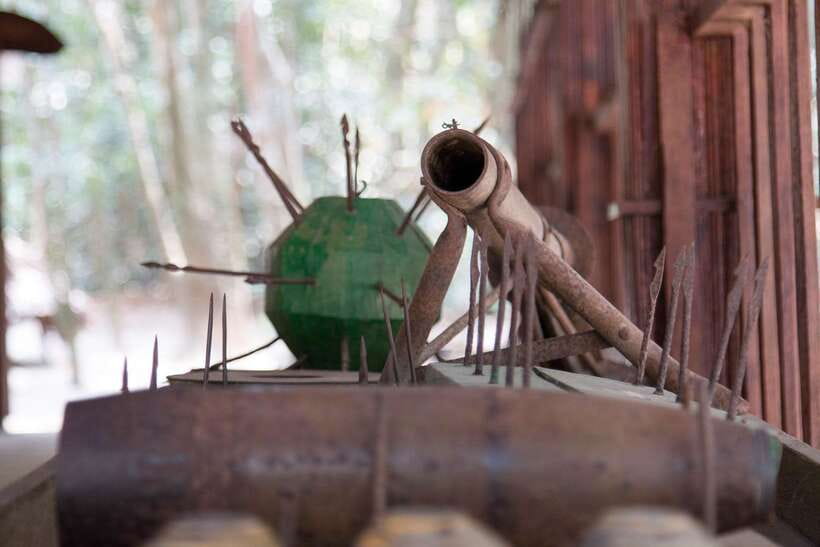
Later in the day, the tour includes a stop at a shooting range with an optional chance to fire a gun of your choice from available options. You can also buy ammunition if you want to experience firing an assault rifle.
Important: this is optional, so you can skip it without breaking the tour. If you’re not comfortable with firearms or you’d rather keep the focus strictly on history and the underground system, choose “no” and use the time for a calmer break.
If you do choose to shoot, think practically. You’ll want to follow safety instructions closely and listen to staff. You’ll also want to budget for ammunition if you decide you want more than one attempt, since the information provided indicates ammunition is something you can purchase.
For some people, this optional portion will feel jarring next to a war memorial experience. For others, it turns the day into a more complete understanding of what weapons meant in that era. Only you can decide where your comfort line is.
Lunch timing: how to plan your food without surprises
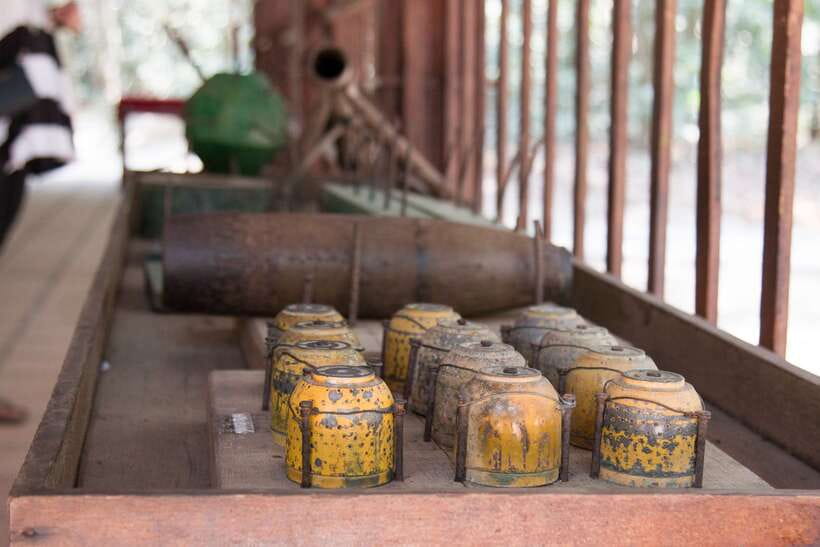
The itinerary shows time for lunch (45 minutes) after the return van ride. However, lunch is not listed as included in the standard package unless you select the lunch add-on during checkout.
So here’s the practical way to think about it: you’ll have a window to eat, but you should plan to purchase or add lunch intentionally. If you’re traveling with dietary needs, don’t assume you’ll get a tailored option; check what’s offered when you book the add-on.
If you’d rather avoid extra steps, you can add lunch during checkout and treat it as part of the clean package flow. If you like flexibility, skip the add-on and grab something nearby after drop-off.
Price and value: does $23 make sense for this day?
For $23, you’re getting a lot packed into a short window: air-conditioned van, an English-speaking guide, entrance fee, and a bottle of mineral water per person. Then you add the major “why” of the tour: the guided underground experience with functional stops and the cassava tasting.
Whether it feels like great value depends on what you want. If you want a quick, structured introduction to Cu Chi and you’re okay doing a physically demanding crawl, it’s a cost-effective choice. If you’re looking for a long, slow, museum-style visit, a half-day crawl tour may feel rushed—because the schedule is built around getting you in and out.
One more value point: small group size. Paying a standard tour price for a group capped at 12 often makes the experience feel less chaotic than larger coach-style trips.
Who should book this Cu Chi tunnels half-day tour
This is a solid match if you:
- want a short, guided Cu Chi experience without spending the whole day
- like explanations that connect what you see to how people lived and fought underground
- are comfortable moving through tight, dark spaces for a meaningful hands-on stop
- appreciate a small-group format (max 12)
It’s not a match if you:
- have heart conditions, are pregnant, or have mobility limitations
- get stressed in confined spaces
- want a fully relaxed, easy walking tour
If you’re unsure about physical suitability, treat the rules seriously. This isn’t a “stand and look” experience.
Final thoughts: should you book?
If you’re short on time and want the Cu Chi Tunnels experience with strong guidance, this half-day tour is a practical pick. The combination of a history intro, a guided underground crawl, and cassava tasting gives you more than basic sightseeing for the price.
Just go in with realistic expectations: the day starts early, you’ll move through tight spaces, and the schedule can flex due to traffic. Bring patience for the logistics, wear something that lets you move, and keep your next plan loose.
If that sounds like your style, book it.
FAQ
FAQ
How long is the Cu Chi Tunnels half-day tour?
The tour duration is listed as 6 hours.
What time does pick-up happen in Ho Chi Minh City?
Pick-up time is listed as 08:00 AM, with the meeting point at 112 Tran Hưng Đạo Street, Ben Thanh Ward, District 1.
How do I get to the meeting point if I’m doing my own transport?
You meet at the designated meeting point at 112 Tran Hưng Đạo Street, Ben Thanh Ward, District 1. The guidance is to arrive at least 10 minutes early.
Is lunch included in the price?
Lunch is not included in the standard inclusions. A lunch add-on option is available during checkout if you want lunch after your tour.
What’s included during the tunnel visit?
You get an English-speaking guide, an entrance fee, transportation by air-conditioned van, and a guided visit through the Cu Chi tunnel section, including stops like kitchens, bedrooms, field hospitals, storage facilities, weapons factories, and a command center. You’ll also taste steamed cassava with salt and special tea.
Is the shooting range part optional?
Yes. The shooting range is listed as an optional chance to fire a gun of your choice from available options. Ammunition can be purchased if you want to try firing an assault rifle.