REVIEW · HO CHI MINH CITY
Experience half-day cooking class with market visit
Book on Viator →Operated by "Mai" Home - The Saigon Culinary Art Centre · Bookable on Viator
Market first, then you cook Vietnam. This half-day class in Ho Chi Minh City pairs a visit to Ben Thanh Market with hands-on cooking from the north, south, and central regions, plus fruit carving. You’ll see ingredients up close, learn the steps from a chef, and end by eating the meal you made.
I like that you don’t just watch. You work through each stage of the cooking so the methods actually stick. I also like the practical take-home format: you get a recipe booklet/manual, a certificate, and a souvenir gift from Mai Home to help you recreate the dishes later.
One consideration: the Ben Thanh Market walk is only in the morning session. If you book afternoon or evening, you’ll skip the market and go straight to cooking since many stalls close around 12:00.
In This Review
- Key things you’ll notice fast
- Where it starts: meeting at Ben Thanh and getting oriented
- The cooking focus: north, south, central dishes you can actually repeat
- Hands-on kitchen time: how the chef keeps you moving
- The fruit carving add-on: more fun than you expect
- Lunch or dinner: you’ll feast on what you built
- What’s included in the $42 price, and why it feels fair
- Timing reality check: morning gives you the market; later times skip it
- Where you’ll likely get the most from it
- Should you book Mai Home’s half-day cooking class?
- FAQ
- How long is the cooking class?
- Is Ben Thanh Market included?
- What kind of dishes will we cook?
- Do I eat lunch or dinner?
- What take-home items do I get?
- Is it suitable for beginners?
- How big is the group?
- Can I cancel for a refund?
Key things you’ll notice fast
- Ben Thanh Market, morning only: you meet at the market and shop for ingredients before class starts
- All three regions of Vietnam: north, south, and central dishes show up in the menu options
- You cook the whole time: the chef guides each step so you can repeat it at home
- Fruit carving practice: a fun add-on that turns fruit into an edible art project
- Meal + take-home package: lunch or dinner, plus recipes, certificate, and a souvenir gift
Where it starts: meeting at Ben Thanh and getting oriented
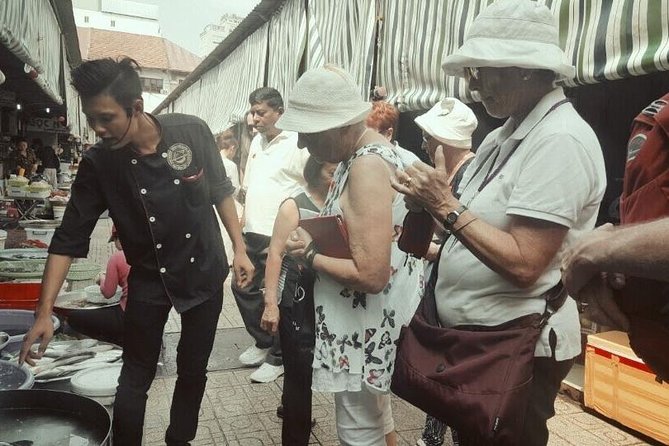
The experience kicks off at Central Market named Ben Thanh in District 1. It’s the kind of meeting point that’s easy to find, and it puts you right in the food world before you touch a knife.
In the morning, you’ll walk with the chef through the market to see ingredients in the real setting. That matters because Vietnamese cooking isn’t only about flavors—it’s about the specific produce, herbs, sauces, and spices that create those flavors. Even if you don’t memorize every item, you’ll start recognizing the building blocks.
You’ll return to the kitchen space after the market portion. Expect a welcome drink and an introduction to the kitchen theme for the day. One nice touch in the format is that you don’t feel like a tourist collecting photos. You’re getting ready to cook.
You can also read our reviews of more shopping tours in Ho Chi Minh City


The cooking focus: north, south, central dishes you can actually repeat
This class is built for beginners, and you’ll feel that in how it’s paced. The chef covers basic cooking methods and then guides you through using them, rather than tossing you into a complicated recipe with no safety net.
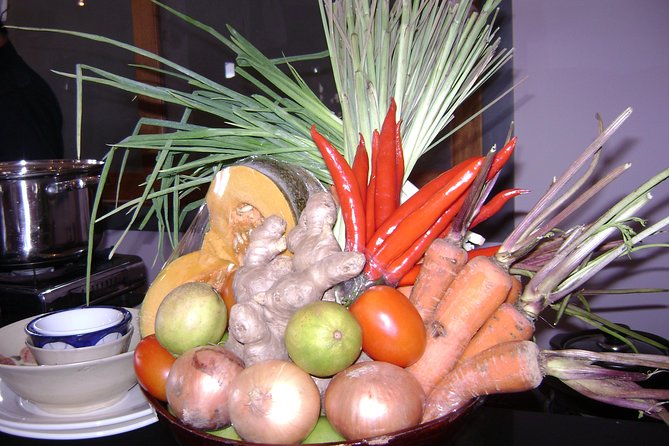
Your menu options rotate daily, but the typical dishes fall into a clear pattern: fresh, flavorful, and not overly complicated once you see the method. Based on the sample menu, you might cook things like:
- Beef salad with young banana and star fruit, or typical rolls with a special dipping sauce
- Braised chicken with ginger, plus a choice like a sizzling pancake or chicken noodle soup
- Happy steamed rice or a vegetable side to round out the plate
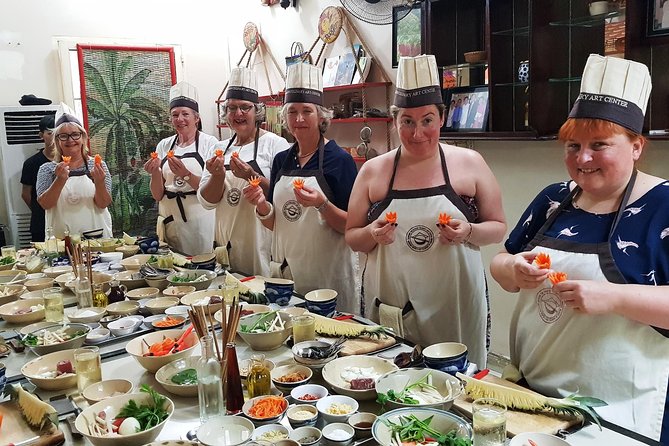
- Fruit carving, where you turn fruit into something decorative
What I like about this regional spread is that it gives you more than one “style” of Vietnam. You start to see how different regions balance flavors—fresh herbs and tang, deeper braises, and sauces that pull everything together.
Also, you’ll likely see a mix of textures: crunchy fruit/vegetables, tender braised chicken, and dishes that rely on correct sauce timing. That’s where the cooking class earns its keep: it teaches technique, not just ingredients.
Hands-on kitchen time: how the chef keeps you moving
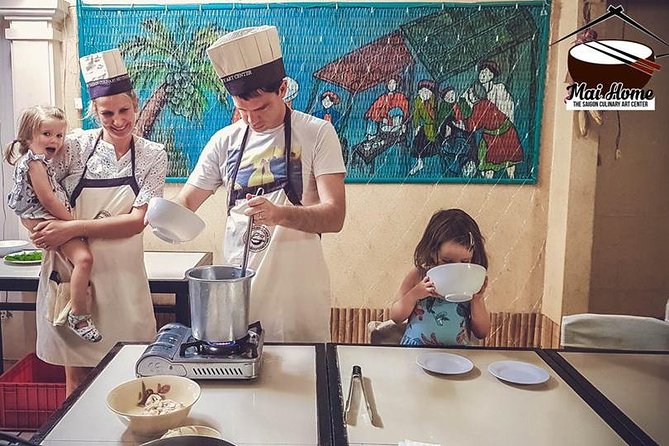
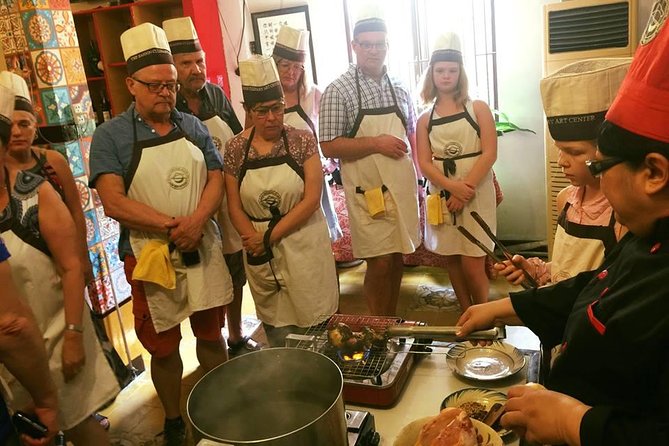
After the market portion (in the morning), the class shifts to the kitchen activity location. This is where you get into the rhythm of Vietnamese home cooking.
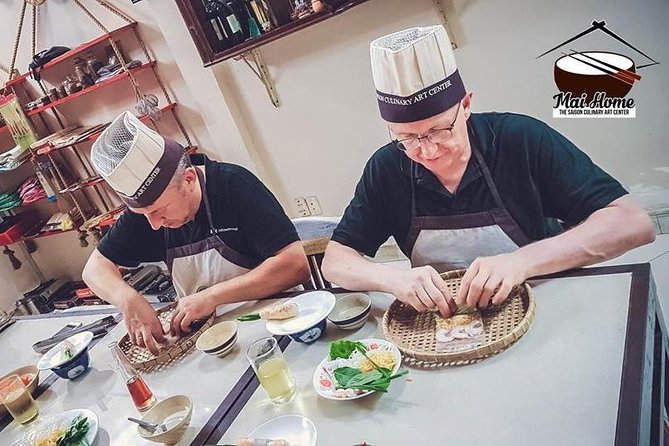
The structure is simple: you’ll work on each step with the chef’s guidance, so you learn by doing. You’ll also get kitchen teaching aimed at beginners—things like how to handle key ingredients, how to keep flavors balanced, and how to use common methods without overthinking it.
If you’re used to “watch and hope” classes, this feels different. You’ll have a chance to try the motions yourself. That’s why people tend to leave remembering techniques, not just what was on the plate.
One name that comes up in the experience is Nova, described as a very experienced teacher. The general vibe is organized and supportive, so even if your knife skills are basic, you’re not stuck guessing what to do next.
The fruit carving add-on: more fun than you expect
Fruit carving is included, and it’s not just a random show. It’s part of the overall cooking and presentation experience.
Carving fruit gives you a quick creative win—and it also helps you understand how Vietnamese food can be both practical and pretty. You’ll make something you can show off at home, and you’ll get a sense for how ingredients like star fruit and other produce can become part of the visual appeal, not only the flavor.
If you enjoy food as an experience (not just a meal), this is the part that often feels surprisingly memorable.
Lunch or dinner: you’ll feast on what you built
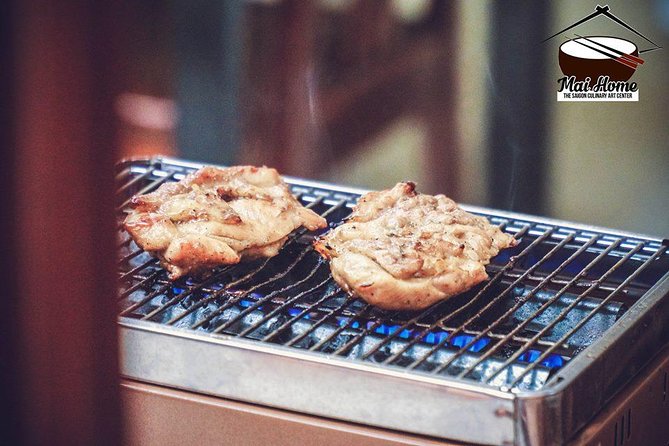
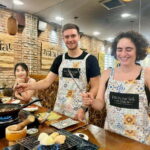
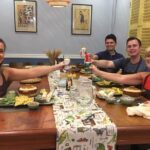
At the end, you sit down and eat the dishes you prepared. This isn’t a token sample. The setup is described as a convivial, friendly meal with the people in your class, so it feels like a shared project that ends at the table.
Depending on your session time, you’ll have lunch or dinner. Along the way, iced tea is included with the meal in the format that lists lunch as part of the package. If you’re watching sugar or caffeine, you’ll still probably feel fine because iced tea is a familiar, moderate choice.
This meal is also the payoff for learning the methods. When you taste your own cooking, you can instantly connect what the chef showed you to what you’re actually eating—how the dipping sauce hits, how braising changes texture, and how fresh components brighten everything.
You can also read our reviews of more tours and experiences in Ho Chi Minh City




What’s included in the $42 price, and why it feels fair
At $42 per person, this half-day experience is priced in a way that can make sense for Ho Chi Minh City. It’s not only “class time.” You’re paying for ingredients, the chef-led instruction, the market walk (morning), and the full food experience at the table.
What’s included:
- Market visit (morning session)
- Cooking ingredients
- Lunch or dinner
- Recipe book/manual
- Certificate
- Souvenir gift
- Iced tea (listed with lunch)
What’s not included:
- Other drinks or extra charges, if any
- Drop-off
Value-wise, the strongest reason to consider it is the combination of three things: market context, hands-on technique, and a take-home package. Many cooking classes give you recipes but leave you with “I watched, I ate, now what.” Here, the structure nudges you toward being able to cook again later.
The group size also plays a role. There’s a stated maximum of 30 travelers, which usually helps keep the pace from turning into a fast slideshow.
Timing reality check: morning gives you the market; later times skip it
This is the one logistical detail that can change how satisfying the day feels.
In the morning, you meet at Ben Thanh and do the market portion with the chef. After that, you cook and eat.
For afternoon and evening sessions, the market visit is omitted. The reason given is practical: after COVID, food stalls close around 12:00, so the operator focuses on the cooking portion instead.
If you want the full “shop first, cook next” flow, aim for the morning option. If you’re short on time, late-day cooking can still be worth it—you just won’t get the ingredient walk.
Where you’ll likely get the most from it
This class fits best if you’re:
- A beginner who wants a clear path through the basics
- Someone who likes learning techniques you can repeat
- A foodie who wants a short, structured way to understand Vietnamese ingredients
- Traveling as a couple, friend group, or family member who enjoys cooking together
It’s also a good choice if you’re already planning to spend time around District 1 but don’t want a full-day commitment. Half-day is the sweet spot when your legs and stomach are both tired of sightseeing.
If you hate mess, loud knives, or any hands-on instruction, then it might feel a little intense. But the class is described as beginner-friendly, and the support style is part of why people rate it so high.
Should you book Mai Home’s half-day cooking class?
If your goal is a practical souvenir you can use—recipes you understand, methods you can repeat, and a meal you built—this is a strong pick. I especially recommend it for first-time visitors who want a quick introduction to how Vietnamese cooking works beyond restaurant ordering.
Book the morning session if you want the Ben Thanh Market component. Choose afternoon/evening only if you’re okay with skipping the market walk and focusing purely on the kitchen and the meal.
If you’re deciding between this and a more advanced class, know that this one is aimed at beginners and structured for technique, not chef-level improvisation. That’s not a drawback—it’s the point.
FAQ
How long is the cooking class?
It’s a half-day cooking class.
Is Ben Thanh Market included?
Yes, the market visit is included in the morning session. Afternoon and evening sessions do not include the market visit.
What kind of dishes will we cook?
You’ll learn dishes from all three Vietnamese regions (north, south, and central). Your exact menu varies by day, and sample options include items like beef salad with young banana and star fruit, braised chicken with ginger, and dipping-sauce rolls, plus fruit carving.
Do I eat lunch or dinner?
Yes. You’ll feast on a lunch or dinner that showcases what you cooked during the class.
What take-home items do I get?
You’ll receive a recipe booklet/manual, a certificate, and a souvenir gift from Mai Home.
Is it suitable for beginners?
Yes. The class is tailored for beginners and covers basic cooking methods.
How big is the group?
The tour has a maximum of 30 travelers.
Can I cancel for a refund?
Yes. There is free cancellation, and you can cancel up to 24 hours in advance for a full refund.