REVIEW · HO CHI MINH CITY
FULL Day – CAI RANG FLOATING MARKET, COOKING CLASS AND EXPLORE THE COUNTRYSIDE
Book on Viator →Operated by Winter Spring Homestay · Bookable on Viator
Waking up before sunrise sets the tone for the Mekong. This full-day ride from Ho Chi Minh City to the delta mixes Cai Rang Floating Market at first light, hands-on food-making, and real countryside downtime with a family in their home. I especially like that the day feels human-scale rather than factory-tour style, with you moving from boat-life breakfast to a kitchen lesson without the usual stiff script.
Two things I like most are the chance to see how rice noodles get made and to learn dishes like bánh xèo and spring rolls right where they’re cooked, then eat lunch as part of the family routine. One possible drawback is the early pickup at 3:00 a.m., which is a lot of sleep debt for a 10-hour day.
The whole experience centers on food and daily life: floating commerce, small food workshops, and countryside rhythms like fruit gardens and rice fields. It’s not staged like some big-operator day trips, and that can feel charming or a bit less polished depending on your expectations. If you’re the type who enjoys simple, genuine travel days over perfect timing, this one fits nicely.
In This Review
- Key things to know before you go
- Cai Rang Floating Market at Dawn: Why the 3:00 a.m. Start Matters
- Rice Noodle Factory and Canal Stops: The Food Lesson You Can Taste
- Muoi Cuong Cacao Farm: A Sweet Detour That Still Fits the Theme
- Shopping for the Cooking Class at a Traditional Market
- Cooking Class and Lunch at a Local Family Home in the Countryside
- Hammock Nap and Relax Time: Turning Off the Go-Go Mode
- Rice Fields and Seasonal Fruit Gardens: Picking Your Way Through the Countryside
- Price and Logistics: Is $119 Worth It for a 10-Hour Food Day?
- Who Should Book This Mekong Delta Day Trip (and Who Might Skip It)
- Should You Book Winter Spring Homestay’s Cai Rang Cooking and Countryside Day?
- FAQ
- What time is the pickup in Ho Chi Minh City?
- How long is the full-day tour?
- What places are included during the day?
- What do you cook in the cooking class?
- Is lunch included?
- What happens if weather is bad?
Key things to know before you go
- 3:00 a.m. pickup from Ho Chi Minh City means an early start and a very long day.
- Cai Rang Floating Market at dawn gives you the market energy while the light is right.
- Rice noodle factory/traditional bakery mill + small canals connects what you eat to how it’s made.
- Muoi Cuong cacao farm and orchard stops add a second flavor pathway beyond rice.
- Cooking class at a local family home includes lunch and practical, hands-on instruction.
- Fruit garden picking + rice-field countryside time shifts the day from viewing to doing.
Cai Rang Floating Market at Dawn: Why the 3:00 a.m. Start Matters
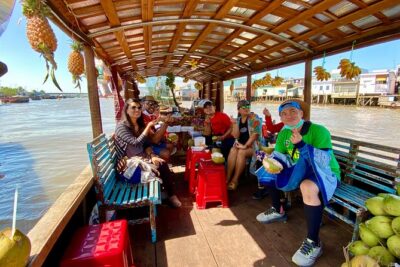
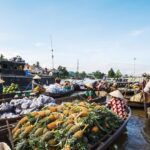
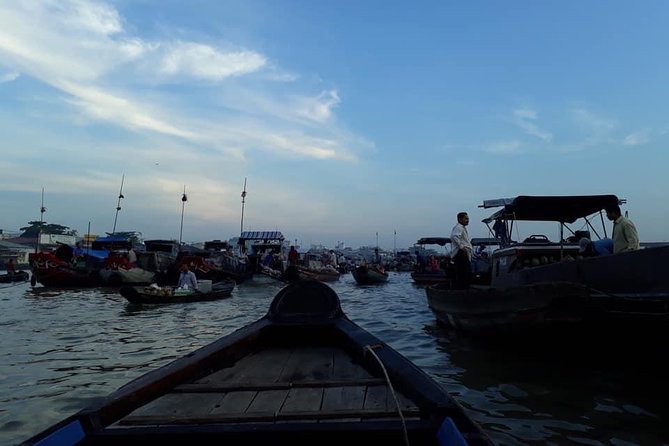
This tour starts in Ho Chi Minh City at 3:00 a.m. and then works its way toward the Mekong delta in time for Cai Rang Floating Market. The early start isn’t just for logistics. It’s what helps you catch the market while sellers are active and the scene still feels fresh rather than half-faded. If you’ve only seen photos, dawn is where you understand the work behind the visuals: boats moving steadily, goods being exchanged, and breakfast happening around the water.
Breakfast in the Mekong is a highlight because it makes the day’s theme clear from minute one. You’re not just taking pictures of the river. You’re eating in the river setting, which changes how everything feels. Practical tip: go easy on heavy breakfast beforehand. If you arrive hungry, you’ll enjoy the meal more, and you’ll have the energy you need for the rest of the day.
There’s also a small but important rhythm to floating markets: you’ll see a lot, but you’ll also want to pause. Look for how people stack items, how they signal, and how produce moves from boat to boat. Even without speaking the language, you’ll pick up patterns fast.
You can also read our reviews of more shopping tours in Ho Chi Minh City

Rice Noodle Factory and Canal Stops: The Food Lesson You Can Taste
After the floating market, the day shifts from boat life to food production. You’ll stop at a rice noodle factory / traditional bakery mill, and the route includes small canals. This part matters because it explains what’s behind familiar flavors. Rice noodles in Vietnam aren’t one vague product; they’re an actual process—mixing, shaping, drying, and handling in a way that keeps texture consistent.
What I like about this stop is that it doesn’t just shout facts at you. You can watch and connect it to what you’ll later eat during the cooking class. It also helps you understand why Vietnamese cooking so often feels simple but exact: ingredients are treated with care long before they hit a pan.
Canal time adds contrast. Floating markets are open and busy, but narrow waterways feel slower and more personal. If you’re someone who gets tired of constant movement, these canal segments give you a chance to reset your senses.
Bring a light layer. Early morning and water-side areas can feel cooler than you expect, and you’ll be glad you didn’t overpack. Also, wear shoes you don’t mind getting a bit dirty. You’re in working countryside spaces, not polished tourist zones.
Muoi Cuong Cacao Farm: A Sweet Detour That Still Fits the Theme
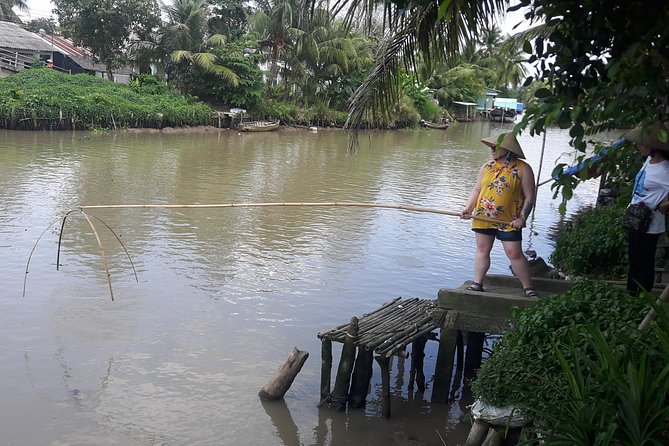
On the way, you visit the Muoi Cuong cocoa farm (listed as a cacao orchard stop). This is one of those “why is this here?” additions that actually makes sense when you think about the day’s focus: food, ingredients, and how rural life supports what ends up on your plate.
Cacao farms aren’t just pretty scenery. They connect the story of chocolate to a living crop, and that helps you notice details you’d normally skip. You may not leave with a full agronomy lesson, but you’ll come away with a better sense of how ingredients grow and why rural producers matter.
This stop can also act as a mental break. After hours of early waking and market intensity, cocoa fields feel like a breath of air—still outdoors, still countryside, but less tightly packed than the floating market atmosphere.
Shopping for the Cooking Class at a Traditional Market
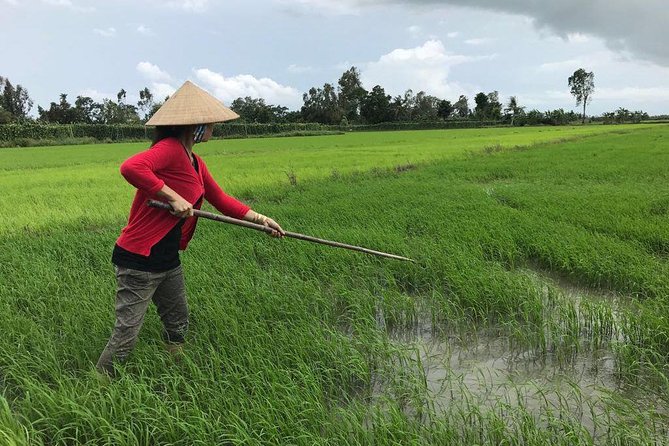
Before the cooking lesson, you go to a traditional market to buy materials for the class. This is where the day turns from watching to participating. Markets teach you something you can’t get from a recipe card: how ingredients look, how people choose produce, and how flavors are built with what’s available locally.
Even if you’re not choosing every item yourself, you’ll benefit from seeing what’s prioritized. And if you do get a chance to pick ingredients, take it seriously. Handling herbs, selecting vegetables, or comparing packages of seasonings helps you understand the logic behind the final dishes.
One practical note: if you have dietary restrictions, say something clearly at the start. The data you’re given doesn’t specify customization, so it’s best to communicate early so your guide and hosts can advise what’s possible.
Cooking Class and Lunch at a Local Family Home in the Countryside
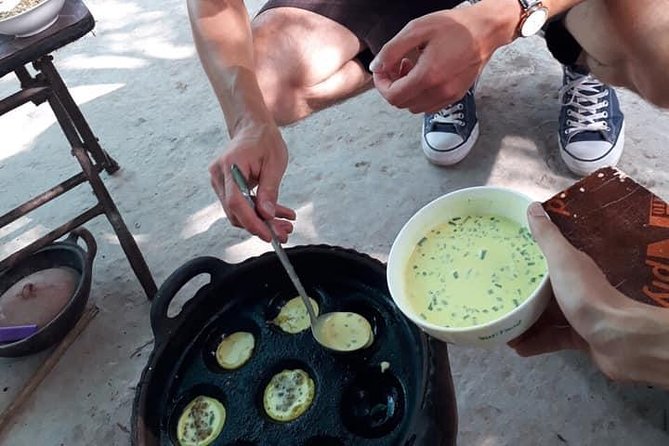
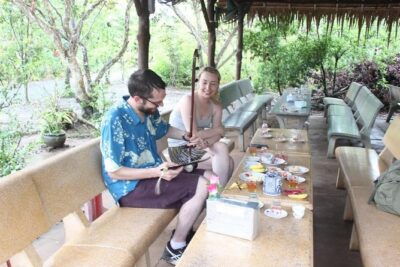
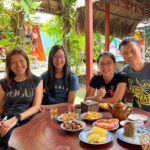
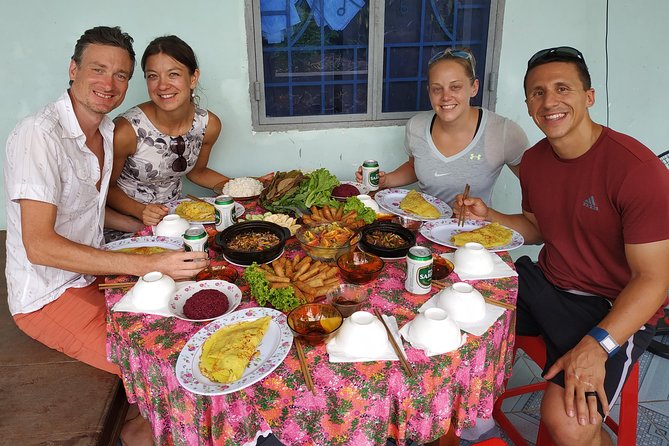
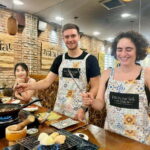
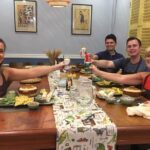
Here’s where the experience becomes memorable in a deeper way. You’ll learn cooking and then have lunch at a local family home in the countryside. The tour style is described as very natural and family-run, with lunch prepared by the family and instruction coming from within their home life, not from a separate commercial kitchen.
The dishes specifically called out include bánh xèo and spring rolls, both classic choices that show off Vietnamese flavor building. Cooking these in someone’s home matters. You’ll likely notice small techniques—how batter consistency is judged, how fillings are handled, and how timing is managed around a real household schedule.
What I especially like is the personal connection. Eating lunch at the family home means you’re not just tasting food; you’re sharing a meal at the heart of someone’s day. That usually leads to better conversation too, even if your Vietnamese is limited.
The guide names that show up in past participants’ experiences include Kieu Trinh and Trieu Trinh, so if you see those names confirmed, you’re in the right spirit: friendly, practical, and focused on getting you comfortable in the process.
You can also read our reviews of more tours and experiences in Ho Chi Minh City


Hammock Nap and Relax Time: Turning Off the Go-Go Mode
After lunch and cooking, you get downtime at the countryside home, including a chance to take a nap with a hammock and relax. This is a smart pacing choice. Many Mekong day trips rush straight from one photo stop to the next. Here, you’re given permission to slow down.
That matters because your body has been running on early-morning fuel since 3:00 a.m. A hammock rest isn’t just cute. It helps you recover so the final countryside loop doesn’t feel like a blur.
You can use this break to reset your expectations too. If you’re the type who wants constant action, this portion might feel too quiet. But if you’re here for real daily life, it’s often the moment the countryside stops being a “thing you visited” and starts feeling like a place you briefly lived.
Rice Fields and Seasonal Fruit Gardens: Picking Your Way Through the Countryside
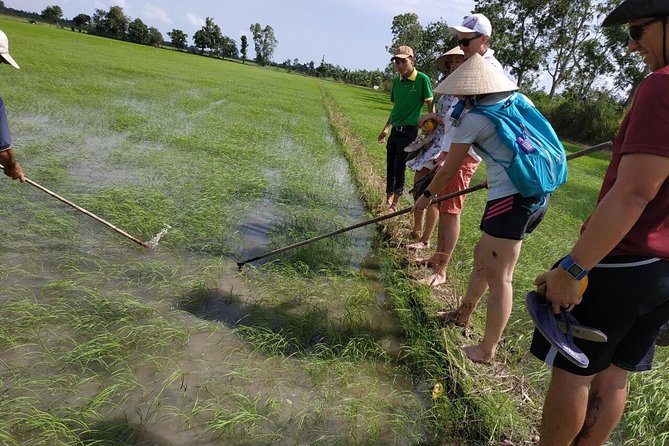
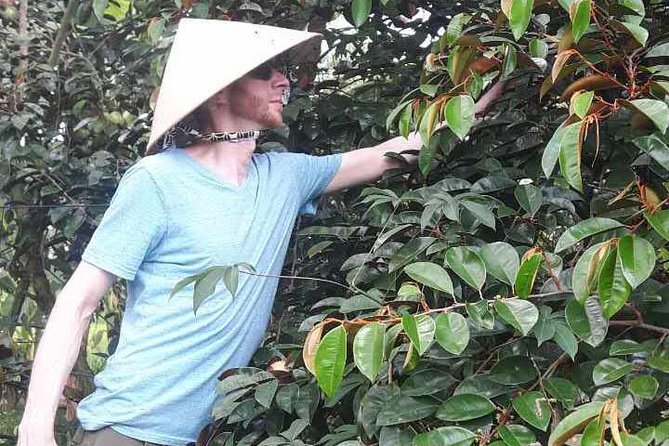
Then comes the countryside loop. You’ll go around the area to experience countryside life, including a seasonal fruit garden and rice fields. The description emphasizes that you can pick fruit yourself and enjoy it. This is where the day feels hands-on again.
Fruit picking changes the whole tone. Instead of looking at crops, you’re selecting them. That turns your senses on: you smell, you judge ripeness, and you learn quickly why local timing is everything. You’ll also feel how small and big agriculture are at the same time: small daily actions for farmers, big results across seasons.
Rice fields add a different kind of appreciation. Even if you don’t know the farming calendar in detail, you can see how the paddies structure the land and shape movement in the countryside. You’ll come away with a better sense of why the Mekong delta is both productive and weather-sensitive.
Bring sunscreen and consider insect protection. You’ll be outdoors for long stretches, including garden and field areas.
Price and Logistics: Is $119 Worth It for a 10-Hour Food Day?
At $119 per person for an approximately 10-hour day, value depends on what you want out of a Mekong visit. If you’re only chasing one highlight photo, you can probably find cheaper transport-only options. But if you want the “food route” plus countryside time, this price starts to make sense.
You’re paying for several bundled elements:
- Pickup offered from Ho Chi Minh City at 3:00 a.m.
- Floating market morning with breakfast in the Mekong
- Multiple food-related stops, including a rice noodle factory/traditional bakery mill and a cacao orchard stop
- A market run to gather materials
- Cooking class and lunch at a local family home, plus countryside downtime
- A final loop through seasonal fruit picking and rice fields
- A group cap of 60, which usually helps keep the day from becoming too chaotic
The tour is run by Winter Spring Homestay, and the style is described as not overly “professional” in the big-company sense, more natural and family-centered. That can be a positive for people who like a more personal pace. The trade-off is that you shouldn’t expect a high-gloss, clockwork schedule.
Weather matters too. The experience requires good weather, and if conditions are poor, you may be offered a different date or a full refund. So plan with flexibility if you’re traveling tightly.
Who Should Book This Mekong Delta Day Trip (and Who Might Skip It)
This tour is best for you if:
- You love food experiences where you see ingredients before cooking them.
- You enjoy family-run, countryside-style moments like cooking in a home and resting in a hammock.
- You’re comfortable with an early start and long days for a worthwhile payoff.
You might think twice if:
- You hate very early wake-ups. 3:00 a.m. pickup is not subtle.
- You prefer large-group, highly structured tours with set scripts and minimal variability.
- You need a fully seamless experience with zero waiting time; this style is more human-paced than industrial-paced.
The pacing also matters. The day has multiple transitions: city to river, river to food production, then to orchard and homestead time. If you’re patient and open, that movement becomes part of the story.
Should You Book Winter Spring Homestay’s Cai Rang Cooking and Countryside Day?
If you’re aiming for a Mekong visit that’s not only about boats, I think this is a smart choice. The combination of Cai Rang at dawn, rice noodle making, cacao farm, and a hands-on cooking class at a local family home gives the day a clear theme: food and daily life, not just sightseeing.
I’d book it if you want your time in Vietnam to feel practical and lived-in—learning, eating, resting, and then doing some countryside picking. The early pickup is the real cost, so make sure you’re ready to trade sleep for a morning that’s hard to replicate later in the day.
If you’re undecided, your tiebreaker is simple: do you want a home-cooked countryside meal and ingredient shopping, or do you want the shortest, most efficient sightseeing route? This one is for the first group.
FAQ
What time is the pickup in Ho Chi Minh City?
Pickup is at 3:00 a.m. from HCM, and the tour returns around 3 to 4 p.m.
How long is the full-day tour?
The duration is listed as about 10 hours.
What places are included during the day?
You’ll visit Cai Rang Floating Market, enjoy breakfast in the Mekong, stop at a rice noodle factory/traditional bakery mill and small canals, visit a cacao orchard (Muoi Cuong cocoa farm), shop at a traditional market for cooking materials, cook and eat lunch with a local family in the countryside, and then visit fruit gardens and rice fields.
What do you cook in the cooking class?
The experience includes learning traditional foods, including bánh xèo and spring rolls.
Is lunch included?
Yes. You’ll have lunch with the local family as part of the countryside cooking portion.
What happens if weather is bad?
The experience requires good weather. If it’s canceled due to poor weather, you’ll be offered a different date or a full refund.