REVIEW · HO CHI MINH CITY
HCMc:Vietnamese Cooking Class with Local market tour & Meal
Book on GetYourGuide →Operated by Tung's Vietnamese Cooking Class HCM · Bookable on GetYourGuide
Market first, then you cook. That’s the smart rhythm of this Ho Chi Minh City lesson. At Tung’s Vietnamese Cooking Center, you’re not just following steps—you’re learning how Vietnamese cooking culture builds flavor, from ingredient choices to the way dishes come together.
I especially like two things: the freedom to choose 3 dishes from 9 options, and the fact that you’ll actually cook and eat what you make. The class also includes welcome drinks, a soft drink, a chef’s certificate, and detailed recipes to take home.
One consideration: this experience isn’t listed as suitable for wheelchair users or people with visual impairments, and it can be easier if you’re comfortable moving around in a kitchen setting.
In This Review
- Key things you’ll notice right away
- Tung’s Cooking Center: hands-on Vietnamese food culture
- Picking your 3 dishes from 9 options (and using that choice well)
- The local market tour: how ingredient picking becomes real learning
- Hands-on cooking in Vietnamese style: prep, cook, and learn the rhythm
- Welcome drinks, lunch, and the chef certificate moment
- Price and value: what $48 gets you in Ho Chi Minh City
- Who should book this cooking class (and who might not)
- Practical tips so your 3.5 hours feel smooth
- Should you book HCMc: Vietnamese Cooking Class with Local Market Tour & Meal?
- FAQ
- How long is the Vietnamese cooking class?
- What dishes do you cook?
- Is there a market tour included?
- What language is the guide available in?
- What’s included in the price?
- What should I bring with me?
- Are special dietary requests allowed?
- Is transportation provided to and from the class?
Key things you’ll notice right away
- Choose 3 dishes from 9 options with your group, so you’re not stuck with a preset menu
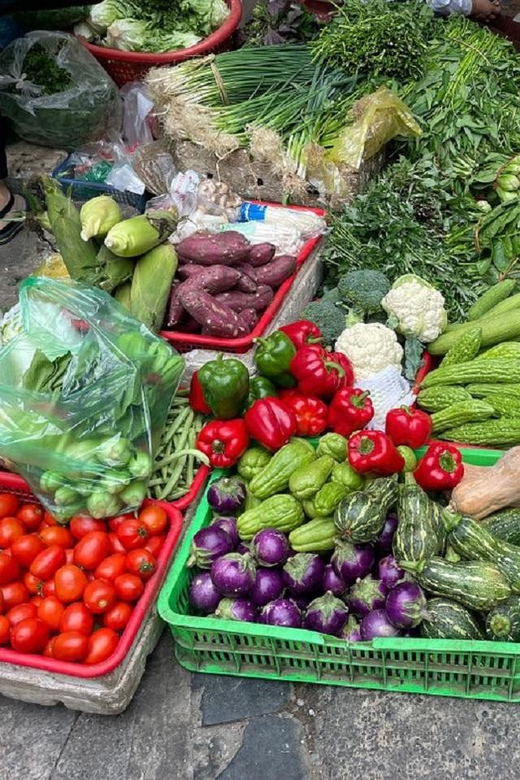
- Market tour with the instructor so you learn how locals pick ingredients day to day
- Hands-on prep in Vietnamese style, not just watching and tasting
- Eat the meal together at the end, with a soft drink included
- You leave with recipes and a chef certificate, so you can repeat the cooking later
Tung’s Cooking Center: hands-on Vietnamese food culture
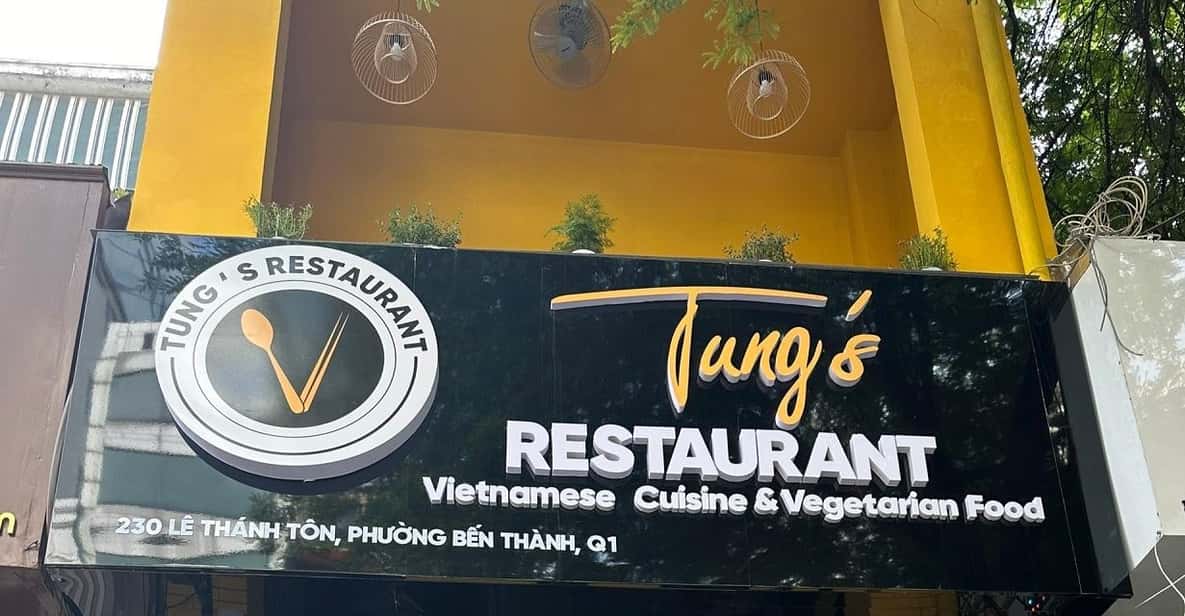
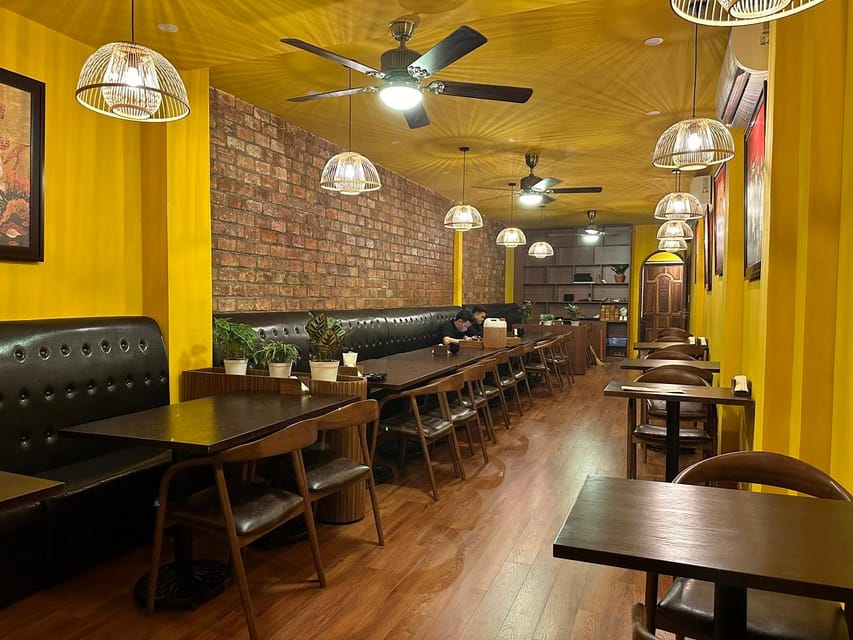
This class takes place at Tung’s Cooking Center in Ho Chi Minh City, and the goal is pretty clear: you’re learning Vietnamese food culture by getting your hands on ingredients and cooking the Vietnamese way. That matters, because a lot of cooking classes feel like a demo with a checklist. Here, you’re part of the process—pick ingredients, prep them, cook, and then share the table.
The tone is practical. You’ll work with an instructor who speaks English and Vietnamese, which helps a lot when you’re trying to understand not only what to do, but why you’re doing it. And because the class ends with a shared meal, it’s easier to connect the flavors you made to the bigger picture of Vietnamese cooking.
You’ll want to think of this as a skills lesson plus food time, not just a one-off activity.
You can also read our reviews of more shopping tours in Ho Chi Minh City


Picking your 3 dishes from 9 options (and using that choice well)
The class structure is built around one big decision: you and your group choose 3 dishes from 9 options. That’s a great value feature, because it lets you tailor the experience to what you actually want to eat in Vietnam. If you love herbs and citrus, you might steer toward something like lime chicken (it comes up in the class feedback as a favorite). If you want classic Vietnamese comfort, options like pho or Vietnamese pancakes may be on the table, and nems are also part of the dish set you could pick.
Here’s how I’d use the choice wisely: don’t just pick what sounds familiar. Pick one dish you already like, one dish you’re curious about, and one dish you think will be fun to cook even if it’s a bit fiddly. That mix usually makes the 3.5 hours feel varied instead of repetitive.
Also, remember the group cooks together, so your choices shape the whole class pace. If you’re the type who hates waiting, choose dishes that you expect to be straightforward. If you’re game for a little extra work, choose something that looks more hands-on.
The local market tour: how ingredient picking becomes real learning
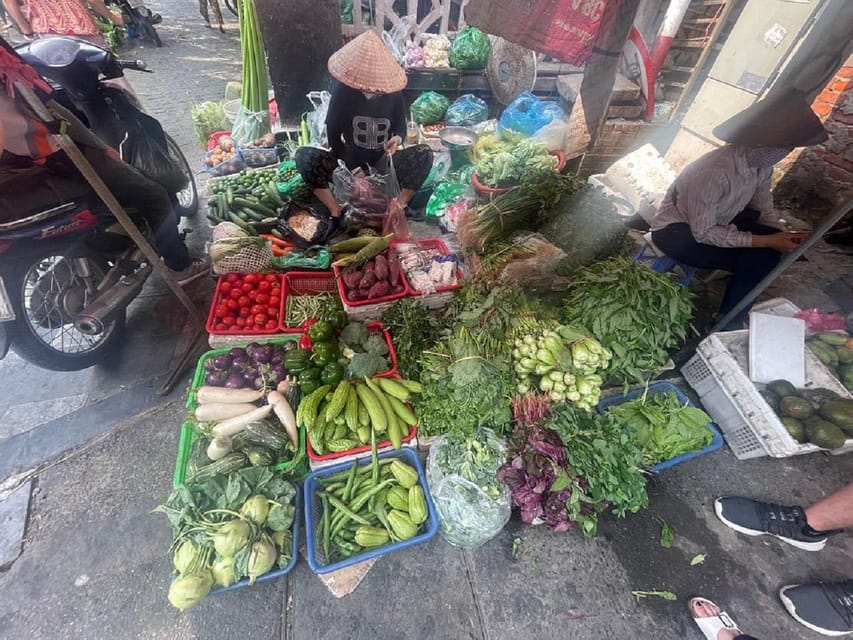
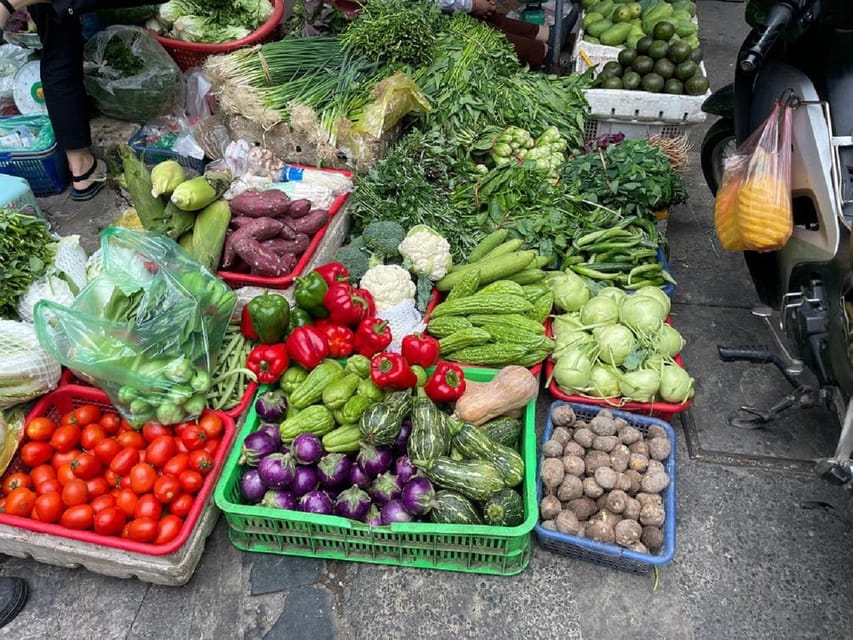
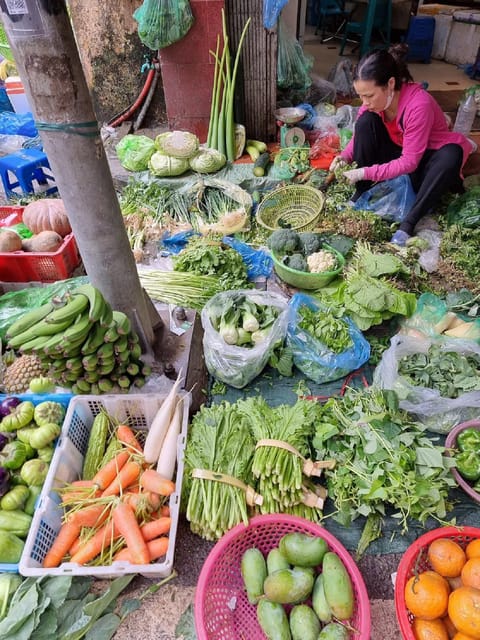
Before you cook, you head to the market with your instructor. This is one of the most useful parts of the experience because it teaches the quiet basics that matter in Vietnamese cooking: how ingredients look in real life, what’s fresh versus merely acceptable, and how people choose what they’ll use that day.
You’re learning from the instructor directly, including how local people think about ingredients for everyday meals. Even if you’re not a super confident cook, you’ll leave with better instincts. Next time you’re shopping at home, you won’t just grab whatever looks similar—you’ll have a clearer idea of what the dish needs.
One extra detail to keep in mind: the ingredients for the cooking class may be bought earlier for freshness reasons, depending on timing. That’s not a problem—it’s practical. The point is that freshness matters, and the class is set up to keep ingredients in good shape so your cooking doesn’t suffer.
Hands-on cooking in Vietnamese style: prep, cook, and learn the rhythm
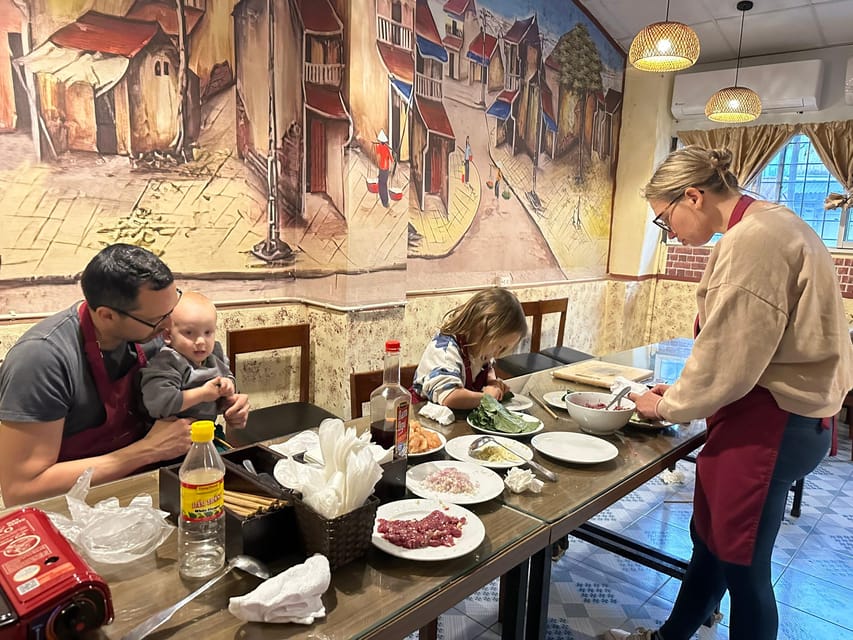
Once you’re back at the cooking center, you’ll work through preparing ingredients and cooking the dishes in a Vietnamese style. The class includes guidance in both English and Vietnamese, which helps if you’re trying to understand small techniques—how to prep herbs, how to handle flavoring, and how to pace cooking steps so everything finishes around the same time.
This is where the experience earns its keep. When you physically chop, mix, season, and cook, the flavors stop being mysterious. You start learning the “feel” of the dish—how it should smell, what texture you’re aiming for, and when it’s ready.
You’ll also notice the class is structured so you’re not stuck doing only one job. With 3 dishes across the group, the workflow usually mixes tasks like prep and cooking, so you stay involved instead of watching from the side.
If you’re the type who learns by doing, you’ll like this format a lot. If you prefer quiet, observation-only activities, you might find the active pace a bit intense—but most people come here specifically to get hands-on.
Welcome drinks, lunch, and the chef certificate moment
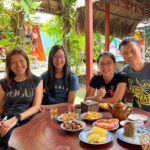
After cooking, you sit down and enjoy the meal together with your fellow chefs. This is an important payoff. Food is culture, sure—but it’s also a memory trick. You taste what you made, and suddenly the recipe makes sense.
Included with the meal:
- a soft drink
- the food you cooked
- your welcome drink(s) during the session
You also get a certificate from the chef, plus detailed recipes after the class. That combination is practical: the certificate gives you something to remember the experience, and the recipes give you something to use later.
If you’re hoping to recreate dishes at home, the recipes you receive afterward are your best friend. Cooking classes often end with a full stomach and blurry memory. Here, you’re meant to take the guidance with you so you can repeat the cooking for friends and family.
You can also read our reviews of more tours and experiences in Ho Chi Minh City




Price and value: what $48 gets you in Ho Chi Minh City
At $48 per person for about 3.5 hours, the value is strongest because the price covers far more than instruction.
You’re getting:
- an English-speaking guide
- help selecting dishes
- market tour time with an instructor
- all food during the class
- welcome drinks and one soft drink
- a chef certificate
- detailed recipes after the class
So yes, it’s a paid activity. But it also functions like a guided food-and-cooking workshop with ingredients, not just a tasting. If you’re comparing it to buying multiple meals and paying separately for a guided market walk, the bundle feels more reasonable.
Where you should be careful: since transportation is not included, factor in getting yourself to the restaurant-based meeting point and back. If you’re planning multiple activities that day, it’s smart to schedule this when you can travel easily without rushing.
Who should book this cooking class (and who might not)
This class fits best if you:
- want real cooking practice, not just watching
- like Vietnamese food and want to cook it yourself later
- enjoy markets and ingredient shopping as part of the experience
- travel with a friend or small group and want a shared activity
It’s also a good match for couples. One of the class sessions described includes a pair joining with another couple, and that mix typically creates a lively but manageable group dynamic.
You may want to skip it (or at least choose your timing carefully) if:
- you need wheelchair accessibility, since it’s not suitable for wheelchair users
- you have visual impairment needs, since it’s not suitable for visually impaired people
- you prefer mostly seated activities, since it’s described as not suitable for people over 95
For special dietary needs, you can request them in advance. The class notes that special dietary or special requests should be noted ahead of time, which is the right move if you have restrictions.
Practical tips so your 3.5 hours feel smooth
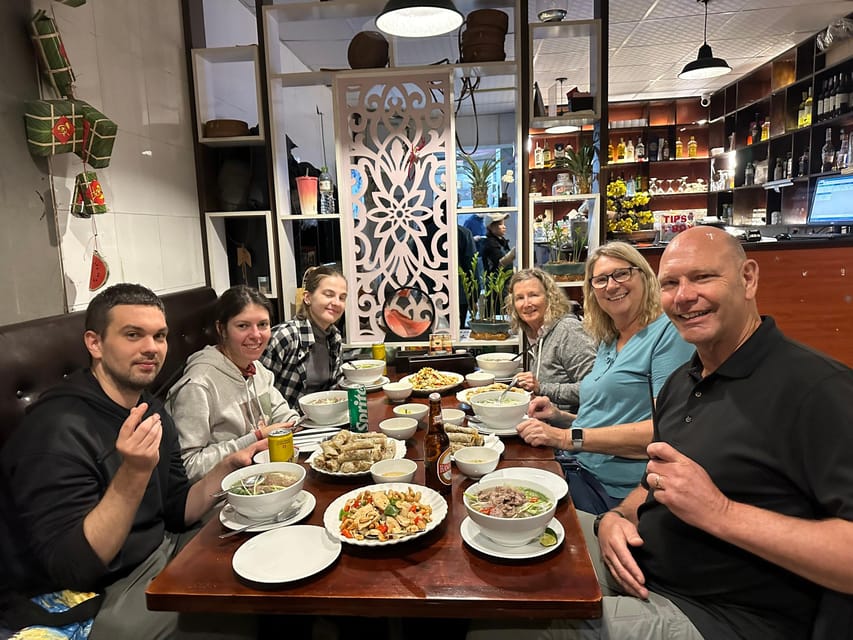
You don’t need to overpack, but you should show up ready for kitchen work and a market stop.
Bring:
- hat
- umbrella
- camera
- sunscreen
- comfortable clothes
Wear something you can cook in. You’ll likely be standing, moving, and handling ingredients, so clothes that breathe and don’t mind getting a little messy are the best choice.
Also, note what’s not allowed: alcohol and drugs. It’s a food-and-cooking setting, so keep it simple.
If you’re the kind of person who wants to learn fast, come with a few questions in mind:
- What ingredient is the most important for flavor?
- How do you know when something is ready?
- What’s the best way to replicate the taste at home?
Since the instructor is English-speaking (and also Vietnamese), it’s usually easy to ask and get clear answers.
Should you book HCMc: Vietnamese Cooking Class with Local Market Tour & Meal?
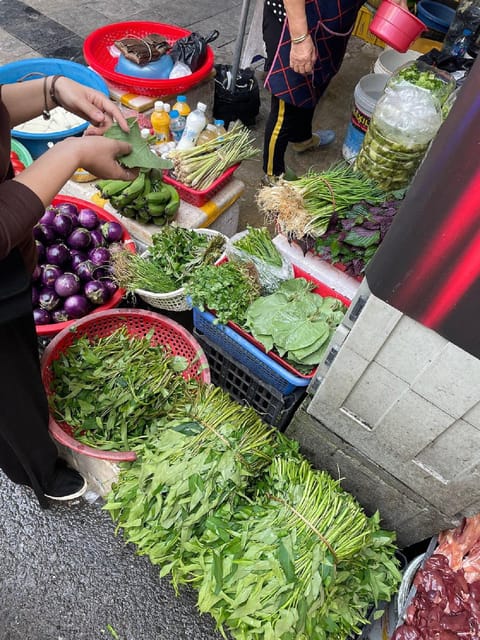
Book it if you want an experience that teaches you Vietnamese food through doing—market ingredient picking, hands-on prep, cooking together, and a meal at the end. The combination of market tour + cooking + recipes is what makes it feel worth the money.
Skip it if you mostly want a passive, seated activity, or if your mobility or visual needs don’t match the stated suitability. And if you’ll be relying on taxis or rideshares for transport, plan for that cost and time since it’s not included.
If you’re deciding between a quick food tour and a cooking class, this is the one to choose when you want skills you can repeat—then you’ll genuinely get value out of the recipes you take home.
FAQ
How long is the Vietnamese cooking class?
It runs for about 3.5 hours. Starting times vary, so you’ll want to check availability when you book.
What dishes do you cook?
You choose 3 dishes together from 9 options provided by the class.
Is there a market tour included?
Yes. You meet with the instructor at the cooking school area, then you go to the local market to learn about picking ingredients.
What language is the guide available in?
The guide/instructor is available in English and Vietnamese.
What’s included in the price?
Included are welcome drinks, all food during the class, and 1 soft drink. You also receive a chef certificate and detailed recipes after the class.
What should I bring with me?
Bring a hat, umbrella, camera, sunscreen, and comfortable clothes.
Are special dietary requests allowed?
You can note special dietary or special requests in advance, and it’s best to communicate them ahead of time.
Is transportation provided to and from the class?
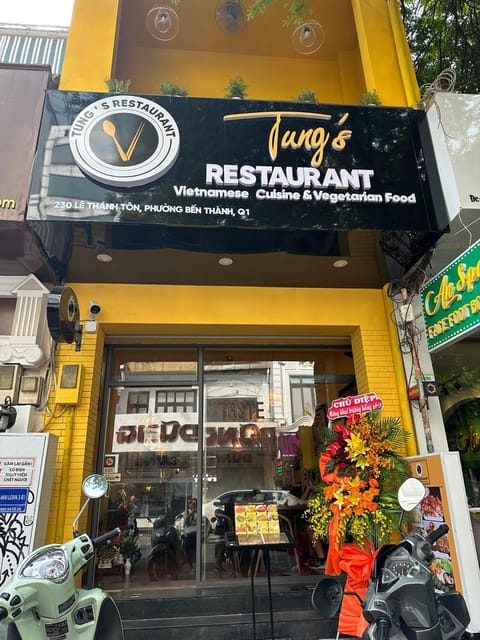
No. Transportation to and from the cooking class location is not included. The meeting point is at a restaurant—go in and tell the staff you’re there for the cooking class.