REVIEW · HO CHI MINH CITY
Ho Chi Minh City – Meditation retreat – 3 days 2 nights
Book on GetYourGuide →Operated by JANGTOURS · Bookable on GetYourGuide
Waking up before sunrise is part of it. This Ho Chi Minh City meditation retreat puts you in a real Buddhist rhythm, with guided mindfulness and days shaped by chanting and monastic routines. I especially like the way the retreat focuses on the correct method of meditation, and how you also get hands-on volunteer work that feels meaningful, not performative. The main drawback is the schedule is packed, so there’s limited free time to wander the grounds and gardens.
If you’re looking for a calm break with structure, this works. You’ll study profound Buddhist doctrines, practice solemn rituals, and live on-site in a pagoda setting alongside monks and nuns. Just be ready for early mornings, vegetarian meals, and strict rules like no alcohol and no making noise.
In This Review
- Key highlights you’ll feel from the start
- The retreat vibe at Thien Ton Phat Quang Pagoda
- Day 1 in Vung Tau: arrival, first meditation, and your hands-on start
- Day 2: Great Bell at 4:00, qigong, volunteer chores, and evening prostrations
- Day 3: final bells, morning volunteering, and back to Ho Chi Minh City
- The value of $99: what’s included, what to watch for
- Rules that shape the experience (and why they matter)
- What the volunteer work actually adds to the retreat
- Who should book this retreat, and who might not love it
- Should you book this Ho Chi Minh City meditation retreat?
- FAQ
- How long is the meditation retreat?
- Where does the retreat take place?
- What is the price?
- Is food included?
- What activities are included during the retreat?
- Is accommodation included?
- Is transportation included from Ho Chi Minh City?
- What language is the instructor teaching in?
- Are there any rules for participants?
Key highlights you’ll feel from the start
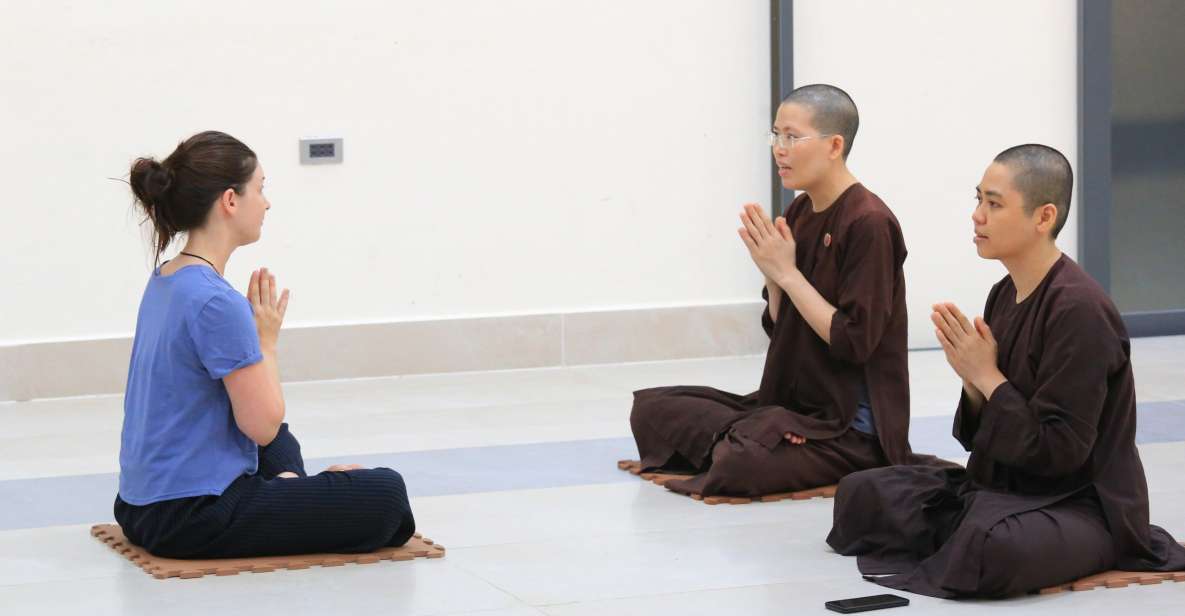
- Mindfulness meditation sessions taught with a clear technique, not vague breathing instructions
- Study of Buddhist doctrines paired with real-life practice throughout the day
- Volunteer work with blessing-minded intention, from simple food prep to gardening tasks
- Monastic rituals including chanting and prostration to Buddha at set times
- Monks and nuns nearby, so you see monastic life up close rather than learning about it from a distance
The retreat vibe at Thien Ton Phat Quang Pagoda
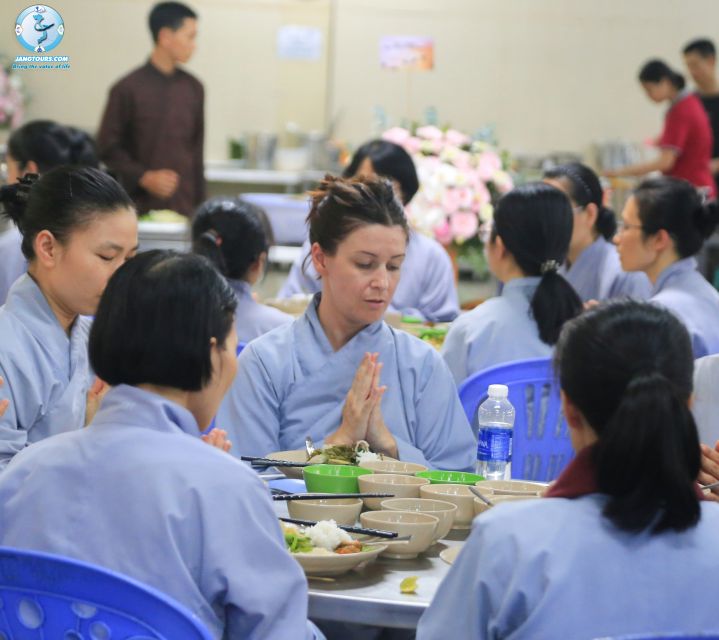
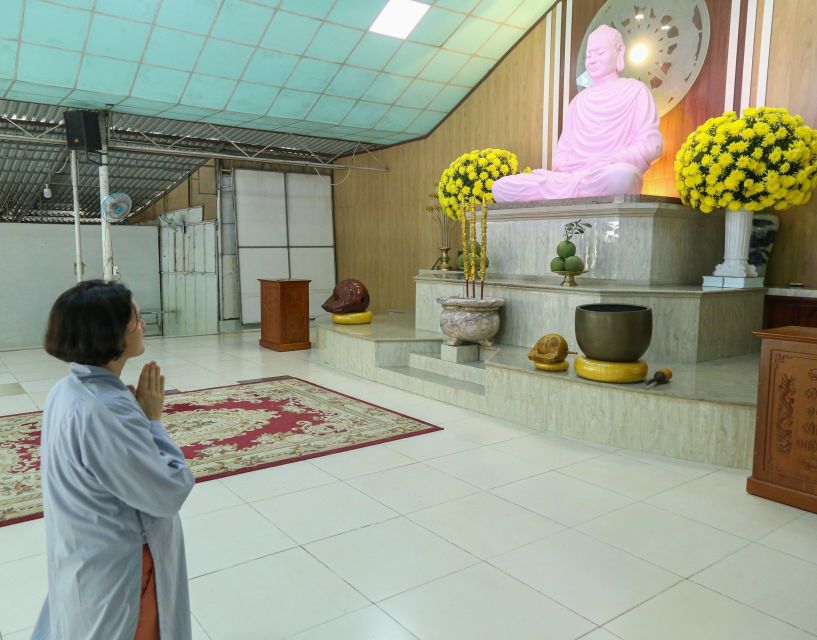
This retreat isn’t a spa day with meditation tacked on. It’s a structured 3 days / 2 nights program where mindfulness, study, and ritual sit side by side. You’ll be staying inside the pagoda environment, which changes how the whole experience feels. Silence and routine aren’t just requested, they’re built into the day.
You get to practice alongside a community of monks and nuns. That matters, because meditation can stay abstract when it’s only taught as a concept. Here, you’ll see how chanting, prostration, and everyday chores are treated as part of training the mind.
Also, it’s not purely spiritual theory. The retreat includes volunteer work tied to intention and blessing for life and meditation. In plain terms: you’re not only sitting; you’re also contributing.
You can also read our reviews of more city tours in Ho Chi Minh City

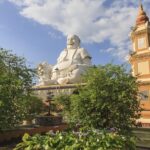

Day 1 in Vung Tau: arrival, first meditation, and your hands-on start
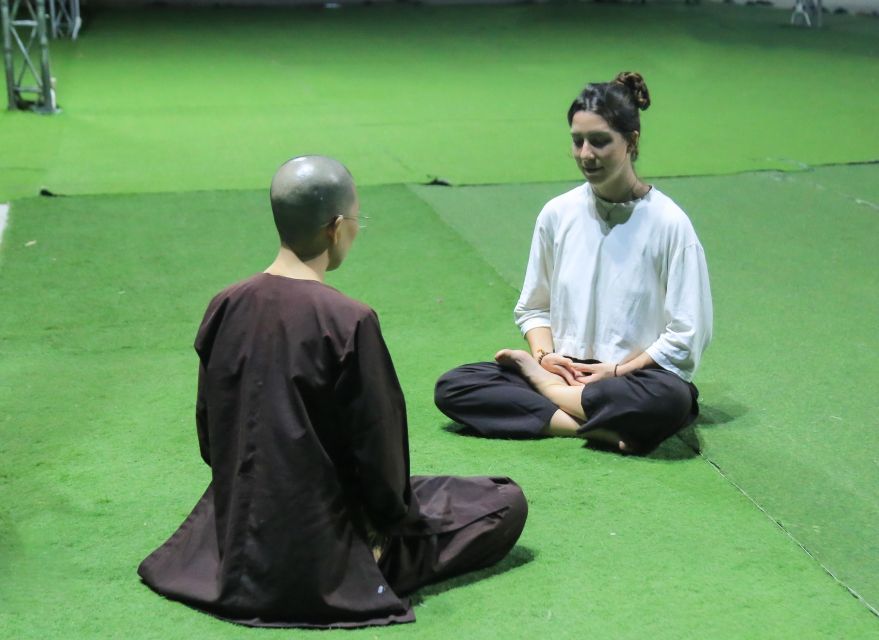
Day 1 begins with a transfer from Ho Chi Minh City toward Vung Tau and the Thien Ton Phat Quang Pagoda area (the journey is about 2.5 hours). Once you arrive, the day wastes no time. You have a vegetarian lunch, then you shift into your first guided meditation session from 14:00 to 15:00.
That first meditation session is your anchor. If you’re new to mindfulness, the retreat’s focus on the correct technique is a big plus because it reduces guesswork. You’re not left trying to figure out what the instructor means by practice.
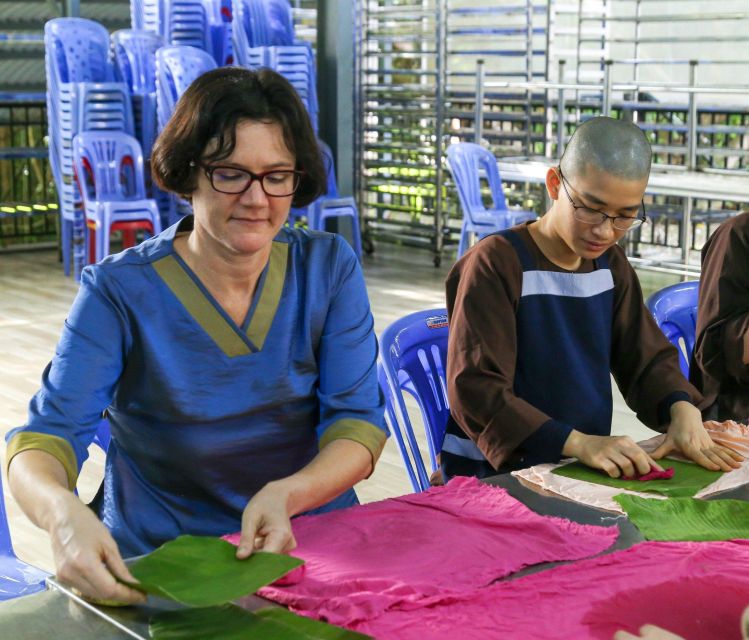
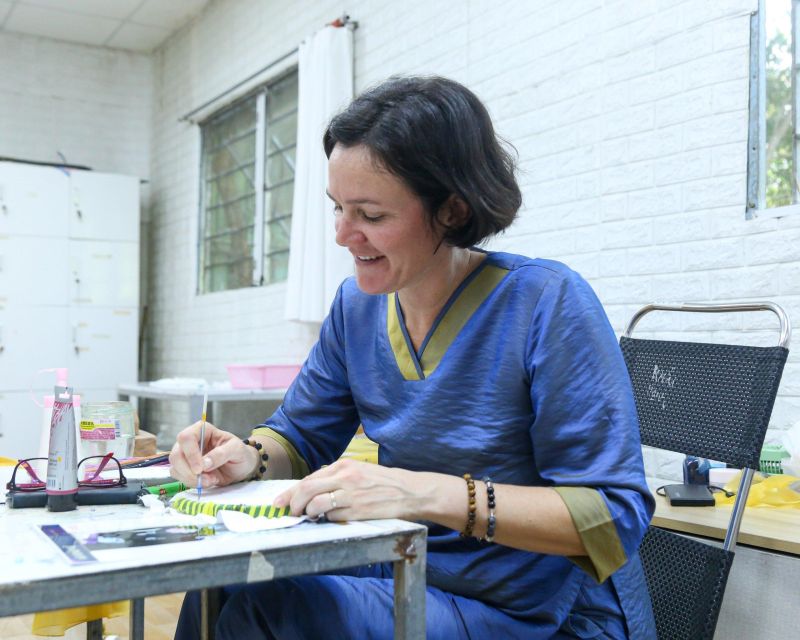
The afternoon turns practical. From 15:00 to 16:50, you’ll do volunteer work such as making cakes, tea, tofu, or painting on fabric. I like that variety because it keeps your mind engaged in a calm way. You’re doing something physical, but still part of the retreat environment.
Dinner follows, and it’s not just eating and leaving. From 17:00 to 18:15, you’ll have a vegetarian dinner and wash the dishes. Then the day moves into ritual: 18:30 to 19:00 chanting, followed by 19:00 to 19:50 reading books.
The evening also includes a wholesome seed segment and prostration to Buddha, then meditation and sleep. By the end of Day 1, you’ll likely feel two things at once: quieter than you expected, and also gently tired from the rhythm.
Day 2: Great Bell at 4:00, qigong, volunteer chores, and evening prostrations
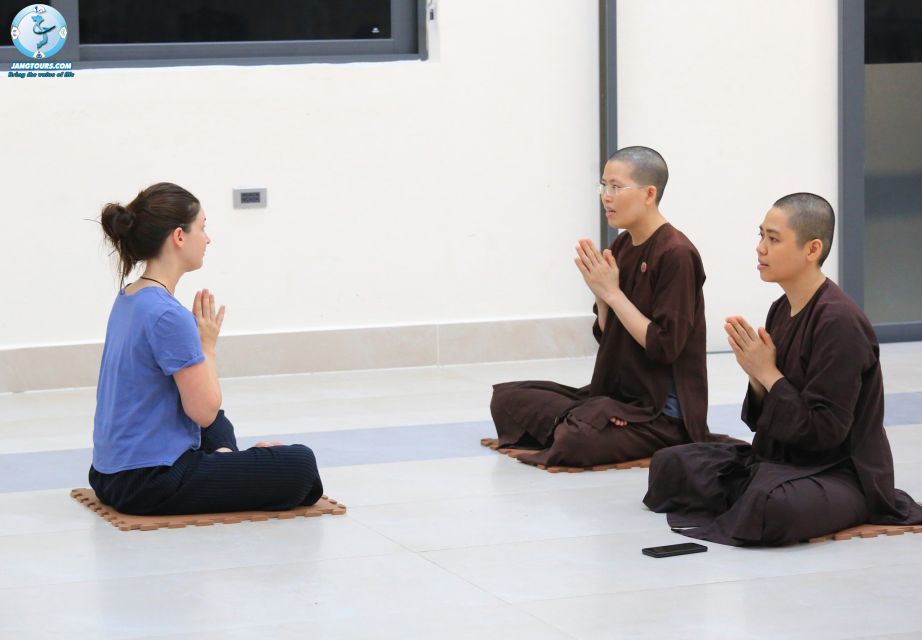
Day 2 is where the retreat really leans into early-morning discipline. At 4:00 to 6:00, you start with the Great Bell timing for meditation and chanting. This isn’t just symbolic. It forces you to meet the mind in the early hours, when distractions are fewer and the pace of the day is set for you.
From 6:10 to 6:50, there’s qigong / martial art practice. That’s a useful contrast to sitting meditation. You learn a different way to work with attention—through coordinated movement—without needing special equipment.
After breakfast (7:00 to 7:20), you’ll do more volunteer work from 7:30 to 10:30. The tasks can include making cakes, tea, tofu, painting on fabric, and picking vegetables. You’ll likely find that this is one of the best parts if you like feeling useful. It also makes the retreat feel like participation, not observation.
Lunch is 11:00 to 11:30. Then the afternoon includes another meditation session from 14:00 to 15:00. From 15:00 to 16:50, the retreat shifts again into learning and cooking-related tasks—more making cakes/tea/tofu/cooking style preparation.
Evening continues the rhythm: vegetarian dinner and dish washing (17:00 to 18:15), chanting (18:30 to 19:00), reading (19:00 to 19:50). At 20:00 to 21:30, you’ll do prostration to Buddha, then meditation, then bed.
What I like here is the balance between effort and repetition. You’re learning meditation technique, but you’re also training attention through consistent routines. If you’ve ever started a retreat and felt it was all theory, this day structure tends to correct that fast.
Day 3: final bells, morning volunteering, and back to Ho Chi Minh City
Day 3 starts the same way: 4:00 to 6:00 Great Bell meditation and chanting. From 6:10 to 6:50 you’ll do qigong / martial art practice again, then breakfast from 7:00 to 7:20.
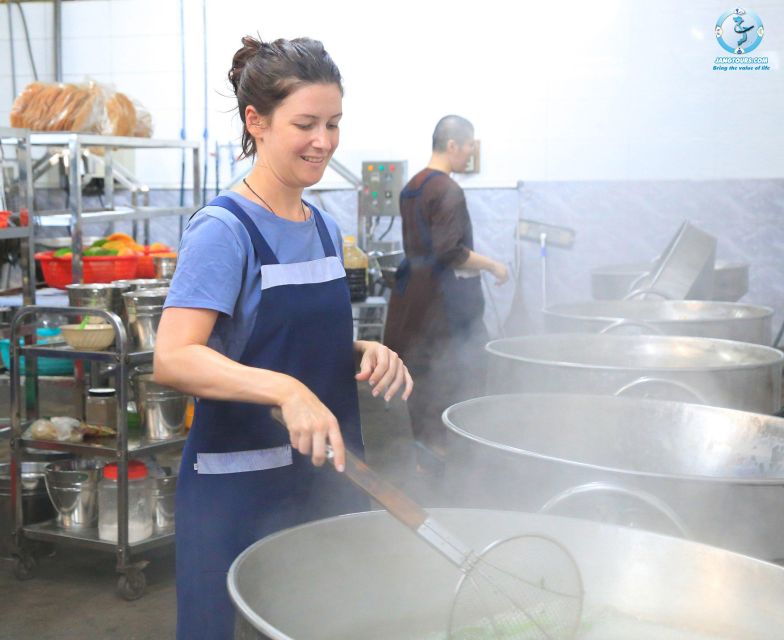
Volunteer time returns from 7:30 to 10:30, including tasks like making cakes/tea/tofu or painting, plus picking vegetables. Then you have lunch from 11:00 to 11:30.
At 12:00 you head back to Ho Chi Minh City, ending near the meeting point. This means you’ll get a proper closing rather than a rushed last morning. You also won’t be stuck in the pagoda beyond what you planned for. It’s a short retreat with enough repetition to matter, without dragging on.
The value of $99: what’s included, what to watch for
At $99 per person, this retreat is priced in a way that can feel surprisingly fair—mainly because the essentials are covered. Your price includes a local guide on-site, full board vegetarian food, accommodation in the pagoda, and entrance fees.
What’s not included is transport from and to the pagoda, and pickup/drop-off guidance. The pagoda is about 90 km from Ho Chi Minh City center, and the transfer is roughly 2.5 hours one way. If you’re planning to handle transport yourself, build that time into your day. If you want help, you can request pickup/drop-off services by contacting the provider via email or WhatsApp.
In other words: the $99 is strong value for what you get—especially if you want a structured Buddhist practice setting plus meals and lodging. But it’s not a door-to-door deal. Transportation is the piece you should plan first, not last.
You can also read our reviews of more tours and experiences in Ho Chi Minh City
Rules that shape the experience (and why they matter)
This retreat has clear conduct rules:
- No short skirts
- No alcohol and drugs
- No making noise
These aren’t just formalities. They directly support the atmosphere that makes meditation easier. When everyone follows the same basic standards, you spend less energy coping with distractions and more energy showing up for practice.
For clothing, plan modest, comfortable basics. You want something you can sit in and move in during meditation and the qigong/martial arts portion. If you show up underdressed, you’ll lose time dealing with it instead of practicing.
Also, remember that this is a place of worship and routine. Quiet respect goes further than trying to make the experience about your comfort.
What the volunteer work actually adds to the retreat
The volunteer portion runs throughout the retreat and includes tasks like making cakes, tea, tofu, painting on fabric, cooking prep, and picking vegetables. The retreat frames this as contributing with intention—part of seeking blessing for life and meditation.
I like volunteer work in spiritual settings when it does two jobs: it makes you participate, and it helps your mind loosen control. Here, your mind can’t float away during preparation tasks. You’re doing something real, and you’re doing it in community.
Even better: the volunteer blocks are timed so they don’t replace meditation and chanting. They support them. You end up training attention in daily life, not only on a cushion.
Who should book this retreat, and who might not love it
This retreat fits best if you:
- Want guided meditation technique with structured sessions
- Like Buddhist doctrine study paired with ritual practice
- Learn well in a routine with chanting, reading, and prostrations
- Enjoy quiet community living rather than sightseeing
It may feel less ideal if you:
- Need lots of free time to explore gardens and surroundings
- Don’t handle early mornings well (the Great Bell starts at 4:00)
- Prefer a flexible schedule over a set timetable
One more practical note: the schedule is full. If you’re hoping for long breaks to journal, wander, or socialize, you’ll likely find the retreat keeps you busy. There is value in that pace, but it’s good to go in knowing it.
Should you book this Ho Chi Minh City meditation retreat?
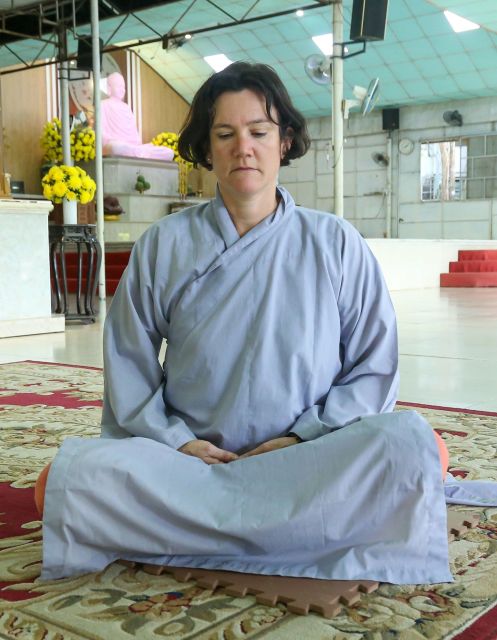
Book it if you want a short, serious immersion in Buddhist practice with real guidance, not just a weekend wellness class. The combination of meditation sessions, chanting, study, and volunteer work makes it feel like you’re doing practice, not consuming it. At $99 with vegetarian meals, pagoda accommodation, and entrance fees included, the value is solid—especially if you’re comfortable handling the transport logistics.
Don’t book if you mostly want relaxation plus sightseeing. You’ll get quiet, but you won’t get a lot of free wandering time. Also, you should be okay with strict rules like no alcohol and no making noise, and with the early-morning wake-up rhythm.
FAQ
How long is the meditation retreat?
It’s 3 days and 2 nights.
Where does the retreat take place?
You’ll stay at Thien Ton Phat Quang Pagoda in the Vung Tau area, starting from Ho Chi Minh City.
What is the price?
The price is $99 per person.
Is food included?
Yes. Full board vegetarian food is included.
What activities are included during the retreat?
You’ll have meditation sessions, chanting, reading time, Buddhist rituals such as prostration to Buddha, volunteer work, and qigong/martial art practice.
Is accommodation included?
Yes. Accommodation in the pagoda is included.
Is transportation included from Ho Chi Minh City?
No. Transportation from/to the pagoda is not included, but you can contact the provider to request pickup/drop-off services.
What language is the instructor teaching in?
The instructor is English-speaking.
Are there any rules for participants?
Yes. Short skirts are not allowed, and alcohol and drugs are not allowed. You also need to avoid making noise.