REVIEW · HO CHI MINH CITY
Ho Chi Minh: 3-Day Mekong Delta & Optional Exit to PhnomPenh
Book on GetYourGuide →Operated by MILLENIUM TRAVEL CO.,LTD · Bookable on GetYourGuide
Morning boats, garden lunch, Cambodia by river. I like how this tour turns the Mekong Delta from a day trip into a real, multi-stop route with boats, bicycles, and village life, starting with pickup in Ho Chi Minh City and rolling into Cai Be orchards and historic houses.
I also really enjoy the Tra Su rowing session in the mangroves, because it feels calm, hands-on, and very different from the busier market stops. The one consideration: the itinerary is packed and starts early, so you should be ready for a full pace and long travel windows between regions.
In This Review
- Key points
- How This Tour Feels: Boats, bikes, temples, and an easy Cambodia exit
- Day 1: Ho Chi Minh City pickup to Cai Be’s orchards and historic houses
- Lunch in a garden, then cycling on the island
- Day 1 overnight: 3-star hotels in Can Tho (shared rooms)
- Day 2: Cai Rang Floating Market and the noodle workshop that makes it click
- Munir Ansay Pagoda and fruit plantation time in Can Tho
- Chau Doc arrival: Tra Su Mangrove Forest by rowing boat
- Day 3: Floating villages and Cham heritage before your Phnom Penh option
- The optional Cambodia exit: speed boat to Phnom Penh
- Price and value: why $261 can work (and when it might not)
- Food, pace, and guides: what actually makes it feel good
- Practical logistics that save time and stress
- Meeting point and pickup zone
- What to bring
- What to wear
- What not to bring
- Who should book this Mekong Delta tour with Phnom Penh?
- Should you book this tour or skip it?
- FAQ
- What’s included in the 3-day tour price?
- Where do I meet the guide in Ho Chi Minh City?
- Is the Phnom Penh transfer guaranteed by boat?
- What kind of hotels are used on the tour?
- What should I wear for pagoda visits?
- Is the tour suitable for everyone?
Key points
- Cai Be by Tien River: cruise, orchard gardens, villages, and a look at older local homes
- Cai Rang Floating Market time: catch the morning rhythm and see how boats actually work
- Hands-on noodle workshop + fruit stops: you learn how food gets made, then taste it
- Munir Ansay Pagoda in Can Tho: a cultural detour that adds real texture to the trip
- Tra Su rowing in Chau Doc: quiet nature time with wildlife along the water
- Optional Phnom Penh exit: a fast boat transfer that can replace the need to plan the border yourself
How This Tour Feels: Boats, bikes, temples, and an easy Cambodia exit
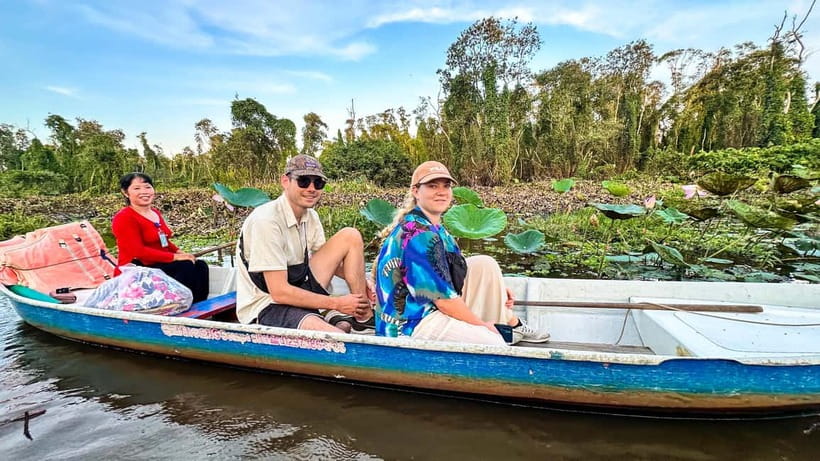
This is the kind of Mekong Delta route that makes sense when you want more than one photo stop. You move through several “faces” of the Delta: orchard life around Cai Be, the market energy at Cai Rang, Khmer cultural threads in Can Tho, and the nature side of Chau Doc via Tra Su’s mangroves. You also get an actual transition out of Vietnam with an optional speed-boat transfer to Phnom Penh.
One reason people come back impressed is the pacing between experiences. You’re not just watching from a distance. On Day 1 you take part in small local moments, like sampling sweets and joining a cooking experience in a garden setting. On Day 2 you combine a famous floating market with a family-run noodle process, then head into Khmer culture at Munir Ansay Pagoda. On Day 3 you finish with floating village scenes and the Cham Village.
You can also read our reviews of more tours and experiences in Ho Chi Minh City
Day 1: Ho Chi Minh City pickup to Cai Be’s orchards and historic houses
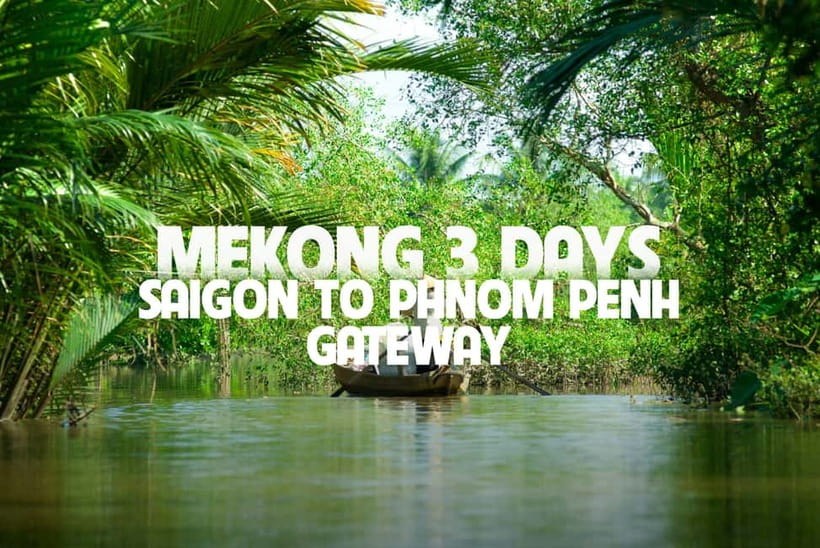
You start with a morning meeting in Ho Chi Minh City, between 07:30 and 07:45 at 112 Tran Hung Dao Street, Ben Thanh Ward, District 1. If your hotel sits in the tour’s central pick-up zone in District 1, pickup may be available; if not, plan to make your own way to the meeting point. The guide checks you in before departure, and the trip doesn’t wait for late arrivals.
From there, you travel to Cai Be, and the day gets real quickly. Expect a cruise along the Tien River, then time to explore Cai Be’s orchards, villages, and older historic houses. This is not the sterile kind of “Delta postcard.” You see how fruit gardens shape daily routines, and you get small cultural stops that make the place feel lived-in.
A few practical details that help here:
- Wear shoes that can handle uneven ground, especially if you step off boats and walk near river edges.
- Bring your sun hat and sunglasses. The Delta sun can be hard even when mornings start cool.
- Keep your camera ready, but don’t rush it. The best moments happen when you’re moving slowly between stops.
Lunch in a garden, then cycling on the island
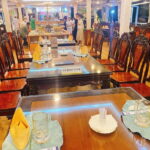
A highlight is the lunch setup: you join a hands-on cooking experience in a local garden. This is one of those meals where you understand what you’re eating, because you’ve helped make it. After lunch, the schedule shifts into lighter motion with island exploration by bicycle.
You’ll also visit Ba Kiet’s historic house, which adds a different kind of value. The Delta isn’t only rivers and markets—it’s also architecture and family history.
Day 1 overnight: 3-star hotels in Can Tho (shared rooms)
You end the first night in Can Tho. Accommodation is 3-star, typically West Hotel or similar, in twin or double-share rooms. You’ll get a breakfast included.
Most of the time, this part is smooth and comfortable enough for an early start the next day. Still, it’s smart to treat hotel quality as variable when you’re on a group tour. Some past departures reported issues like missing hot water at one property, even though the hotels were listed as 3-star. So, if hot showers matter a lot to you, it’s worth keeping expectations flexible.
Day 2: Cai Rang Floating Market and the noodle workshop that makes it click
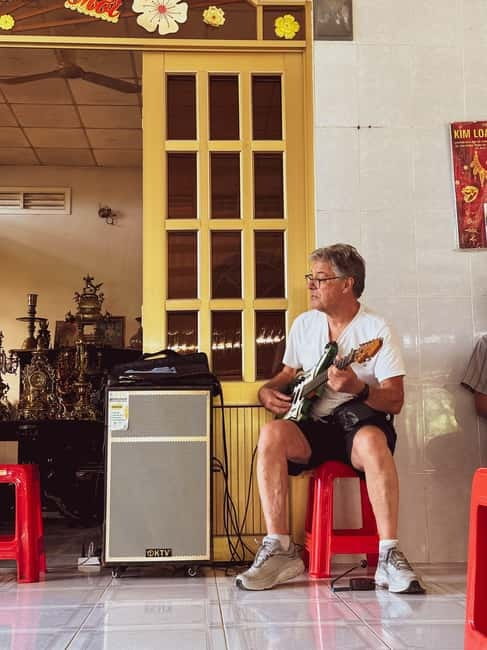
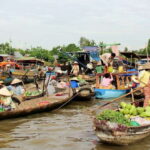
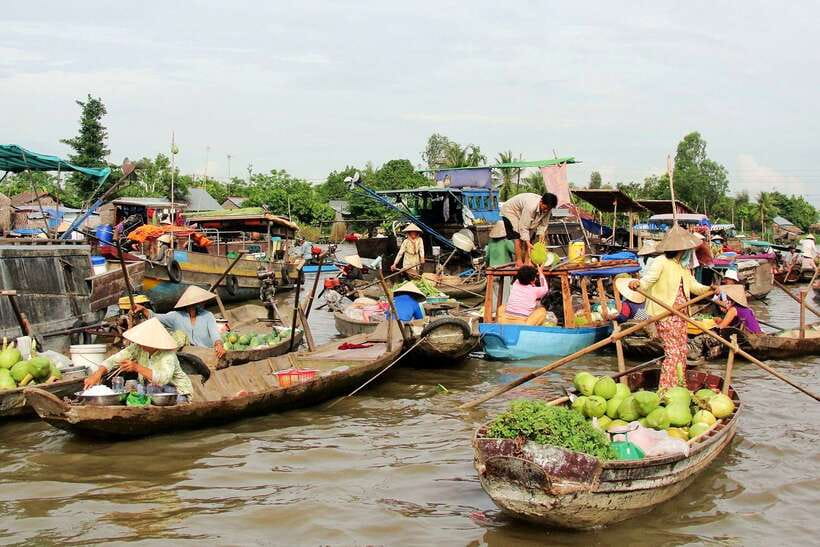
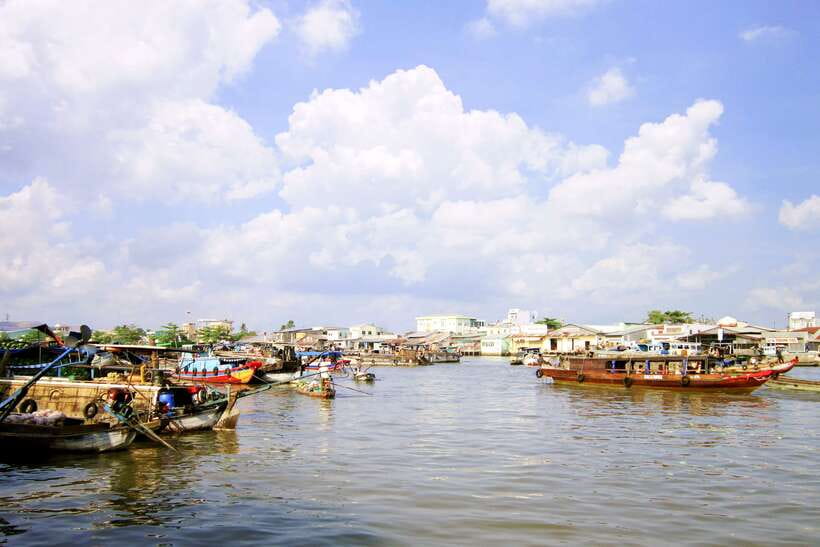
Morning returns with one of the Delta’s most famous scenes: Cai Rang Floating Market. This is the place where boats pile up, sellers call out, and daily trade becomes visible. The timing matters because market energy shifts as the morning moves on. Arriving early keeps it lively but still manageable to walk through and photograph.
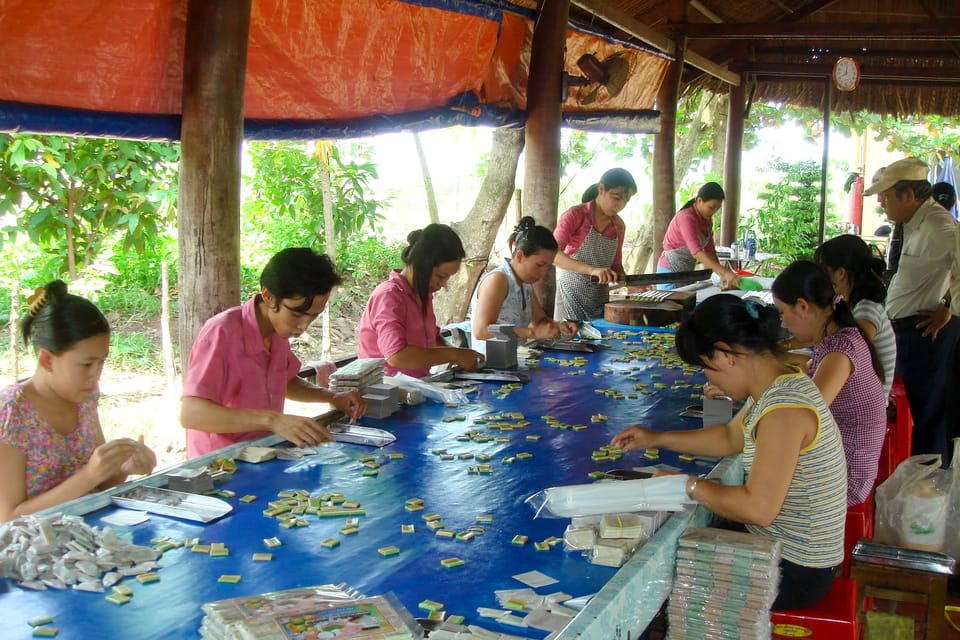
From the floating market, the tour moves into something that makes the day more than just spectacle: a family-run noodle factory and traditional noodle workshop. You’ll see how things are made, and it helps you understand why certain foods show up again and again across the Delta.



Munir Ansay Pagoda and fruit plantation time in Can Tho
After the food stops, you go to Munir Ansay Pagoda in Can Tho. This is a cultural reset after the market rush. You should dress for it like you would anywhere in Vietnam’s temple areas: shoulders and knees covered.
Then comes more downtime built into the itinerary: fresh seasonal fruit at a plantation. This is a good chance to slow down, drink some water, and refuel before the afternoon ride toward Chau Doc.
Chau Doc arrival: Tra Su Mangrove Forest by rowing boat
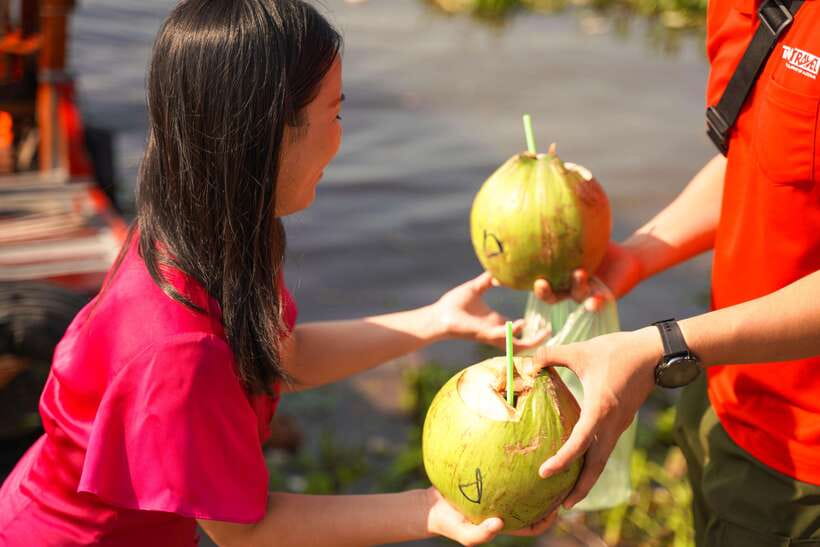
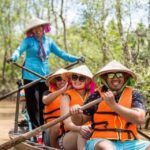
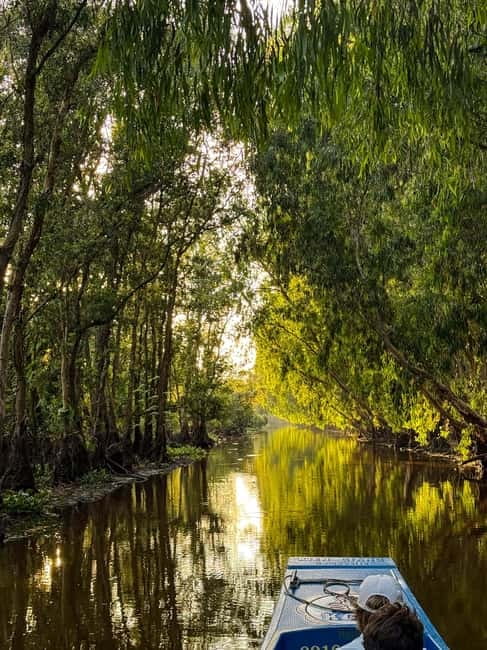
Chau Doc is where the tour shifts from human-made scenes to nature. Your key activity: Tra Su Mangrove Forest, explored by rowing boat. The sound changes immediately when you enter the mangroves. It becomes quieter, more shaded, and more “watch and listen” than “buy and sell.”
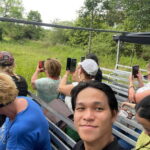
A big part of why this stop earns so many strong reactions is that it doesn’t feel like a forced performance. You’re gliding through lush waterways, and the wildlife presence gives you that sense that you’re moving through an ecosystem, not a theme park.
Dinner is included on Day 2, with a set menu focused on Vietnamese cuisine.
Day 3: Floating villages and Cham heritage before your Phnom Penh option
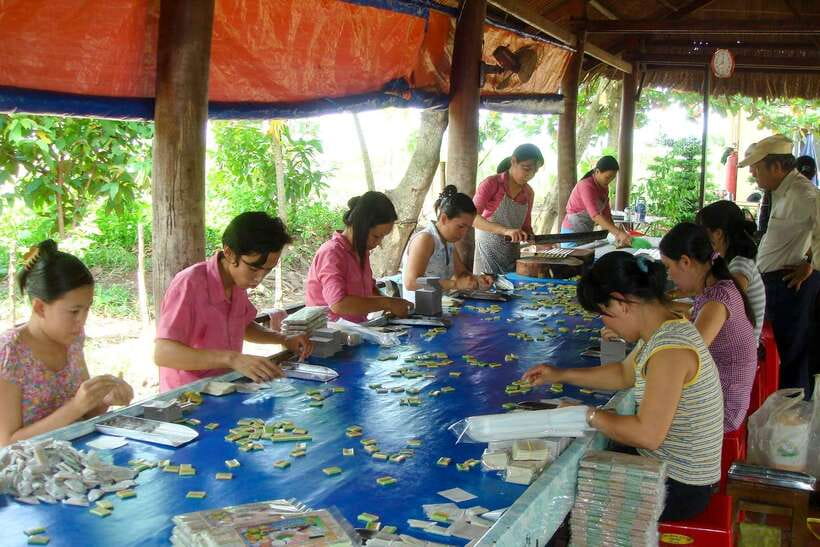
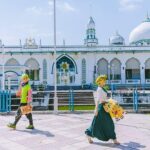
The final day starts with the softer side of the Delta. You’ll visit floating villages and also go to the Cham Village, where you see how heritage shows up in everyday life and culture. This is the part that adds depth beyond “southern Vietnam sightseeing,” especially if you enjoy cultural context more than just landscapes.
The optional Cambodia exit: speed boat to Phnom Penh
After breakfast, you have choices:
- return comfortably to Ho Chi Minh City, or
- take the included fast boat transfer to Phnom Penh (subject to availability)
A key detail: the boat transfer can be replaced by a bus transfer depending on real-time conditions. That doesn’t automatically mean it will be worse—just be mentally prepared for some flexibility.
When the speed boat runs, the border process is handled as part of the transfer plan, and you’re not left to figure it out on your own. One traveler specifically noted that the boat had a clean toilet and that you can buy drinks on board, which helps on a long river ride.
And yes, sea sickness came up as a worry for some people. In the feedback provided, no one reported getting sick on the route.
Price and value: why $261 can work (and when it might not)
At $261 per person for a 3-day / 2-night structure, the value depends on what you’re trying to replace.
On the included side, you’re getting:
- air-conditioned ground transport between regions
- multiple boat trips in the Mekong Delta
- a professional English-speaking guide
- entry fees
- 2 hotel breakfasts, 2 lunches, and 1 dinner (set menu)
- shared twin/double 3-star hotel nights in Can Tho and Chau Doc
- the option of a fast ticket transfer to Phnom Penh
If you were to plan this yourself—especially the market timing, the rowing boats, the noodle workshop, and coordinating a smooth exit to Cambodia—costs usually creep up quickly. The tour price isn’t just transportation. It’s paying for the “glue” that connects these places, plus access to local activities you’d struggle to organize independently.
That said, this is still a packaged tour. If you prefer slow travel, lots of free time, or you want to control every stop, the full schedule may feel tight. One review even flagged Day 2 as a bit too packed for some group members who wanted to retire earlier at night.
Food, pace, and guides: what actually makes it feel good
This itinerary leans on local food, and it’s more than just sitting down to eat. You’ll have:
- fruit tasting
- coconut sweets and small samples during the day
- cooking in a garden setting
- noodle workshop time
- set Vietnamese dinner
A standout pattern in the feedback: guides tend to manage the group well and keep the day running smoothly, even when there’s minor timing chaos. Names that came up include Tuco, Vi, Yudi, Naomi, Nikki, Duy, Sunny, and Elio. The consistent theme isn’t just facts—it’s energy and organization.
If you have dietary needs, this can matter. One traveler traveling as a vegetarian said the guide handled restaurant choices well and worked to keep meals satisfying. If you’re vegetarian, vegan, or dealing with allergies, you should still communicate clearly ahead of time and during check-in, so the guide can coordinate.
Practical logistics that save time and stress
Here are the most useful “do this, not that” points for this route.
Meeting point and pickup zone
Plan for the 112 Tran Hung Dao Street meeting point at 07:30–07:45. Pickup is only available for hotels in specific central parts of District 1, including areas like Saigon Ward, Ben Thanh Ward, and Cau Ong Lanh Ward. Some streets and wards are excluded, so if your hotel is far outside the pick-up zone, go directly to the meeting point.
What to bring
- Passport
- comfortable shoes (you’ll walk and bike)
- sunglasses
- sun hat
What to wear
Temple visits require covering shoulders and knees. If you travel with a light scarf or thin layer, it’s an easy fix.
What not to bring
- pets
- oversize luggage
- smoking
Who should book this Mekong Delta tour with Phnom Penh?
This fits best if you want:
- structured routes through the Delta’s key areas
- real local experiences like noodle making, garden cooking, and river mangrove rowing
- an easier Cambodia transition, without trying to coordinate everything yourself
It’s less ideal if you:
- need wheelchair access or have serious mobility limits
- have heart problems
- are pregnant
- are over 70
- prefer slower travel with lots of open time
Should you book this tour or skip it?
I’d book it if you want a well-connected 3-day route that combines markets, food-making, temples, and nature, then adds an optional exit to Phnom Penh by fast boat. It’s also strong value if you’d otherwise pay for separate guides, separate boat tickets, and multiple transport legs.
I’d pause and think twice if you hate early starts, don’t like fixed schedules, or you’re picky about hotel consistency. The hotel class is set at 3-star, but a few departures have had service hiccups like hot water issues at some properties.
If you want to see the Mekong Delta in a way that’s practical and not just “one market and done,” this is the kind of tour that makes the region feel connected.
FAQ
What’s included in the 3-day tour price?
The tour includes air-conditioned transport, Mekong Delta boat trips, a professional English-speaking guide, entry fees, 2 hotel breakfasts, 2 lunches, and 1 dinner with a set Vietnamese menu. Accommodation is twin or double share at 3-star hotels in Can Tho and Chau Doc. The Phnom Penh transfer by fast boat (or bus replacement depending on conditions) is also included.
Where do I meet the guide in Ho Chi Minh City?
You meet your guide between 07:30 and 07:45 at 112 Tran Hung Dao Street, Ben Thanh Ward, District 1. Look for the TNK Travel sign for check-in.
Is the Phnom Penh transfer guaranteed by boat?
It’s included as a fast boat ticket, subject to availability. The transfer may be replaced by a bus depending on real-time conditions.
What kind of hotels are used on the tour?
Accommodation is based on twin or double share at 3-star hotels in Can Tho and Chau Doc Province (examples provided are West Hotel or similar in Can Tho, and Paris Hotel or similar in Chau Doc).
What should I wear for pagoda visits?
For pagoda visits, wear clothes that cover your shoulders and knees.
Is the tour suitable for everyone?
No. It’s not suitable for pregnant women, people with mobility impairments, people with heart problems, wheelchair users, or people over 70.