REVIEW · HO CHI MINH CITY
Incredible Mekong Delta Tour 3-day from Ho Chi Minh City
Book on Viator →Operated by Asiana Link Travel · Bookable on Viator
Three days on the Mekong beats a one-day sprint. This tour trades rushed day-trips for a relaxed pace with a guide who handles the hard parts: hotels, meals, and boat time. You’ll also get off the main highways and into quieter river life, with real local stops along the way.
I especially like two things: the early start at Cái Răng Floating Market by motor-boat, and the mix of temple culture plus nature that still feels practical. One thing to think about first: you’ll do quite a bit of driving and some early mornings, so pack for long days and wear shoes that can handle daily walking.
In This Review
- Key highlights I’d plan my trip around
- Entering The Mekong Delta at a slower, smarter pace
- Day 1 from Ho Chi Minh City to My Tho: pagodas, then river-town rhythm
- Vinh Trang Temple: the architecture you’ll want to slow down for
- Your overnight stays: homestay cooking plus a regular hotel reset
- Day 2 early mornings: Cái Răng Floating Market first, then Trà Sư forest quiet
- Cái Răng Floating Market: motor-boat views and hand-rowed moments
- Trà Sư Bird Sanctuary / Cajuput Forest: nature time without the chaos
- Châu Đốc and Sam Mountain: temple steps with border-country views
- Day 3 in Châu Đốc: Ba Chùa Xu and Thoại Ngọc Hầu Tomb
- Ba Chùa Xu Temple: protector goddess, built in 1820
- Thoại Ngọc Hầu Tomb (Son Lang): Nguyen Dynasty architecture at the mountain base
- Cái Be village lunch and the long drive back to Ho Chi Minh City
- Price and value: what $467 buys you (and what it doesn’t)
- The guide and small details that make it feel organized
- Who this tour suits best (and who may want a different pace)
- Should you book this Mekong Delta tour from Ho Chi Minh City?
- FAQ
- How long is the Mekong Delta tour from Ho Chi Minh City?
- What is the price per person?
- Is hotel pickup and drop-off included?
- What kind of transport do you use?
- Are boat trips included?
- What accommodation is included?
- Are meals included?
- Can I get vegetarian or vegan food?
- Do I need a passport?
- What is the cancellation policy?
Key highlights I’d plan my trip around
- Cái Răng Floating Market by motor-boat: see the fruit-and-veg trade when the day is just warming up
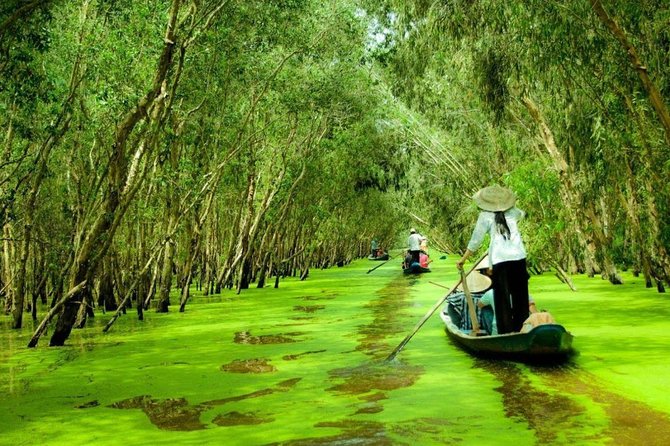
- Trà Sư Bird Sanctuary / Cajuput Forest: quiet boat routes near the Việt Nam–Cambodia border
- A guide who runs the schedule: accommodation and meals are already arranged, so you spend less time figuring things out
- Homestay-style experience with cooking: not just sightseeing, but hands-on food time and local hospitality
- Châu Đốc and Sam Mountain viewpoints: temple stops plus big panoramic scenery over the border area
Entering The Mekong Delta at a slower, smarter pace
The biggest win of this 3-day format is that you’re not trying to cram everything into one frantic ride. Instead, you spread the trip across multiple river areas, so each stop gets time to breathe. You’ll still move each day, but it feels designed for humans, not timetables.
Because the guide coordinates the plan, you skip the planning headache that usually comes with Mekong tours. That’s especially valuable if it’s your first time in southern Vietnam and you want the cultural context without hunting for directions.
You can also read our reviews of more city tours in Ho Chi Minh City

Day 1 from Ho Chi Minh City to My Tho: pagodas, then river-town rhythm
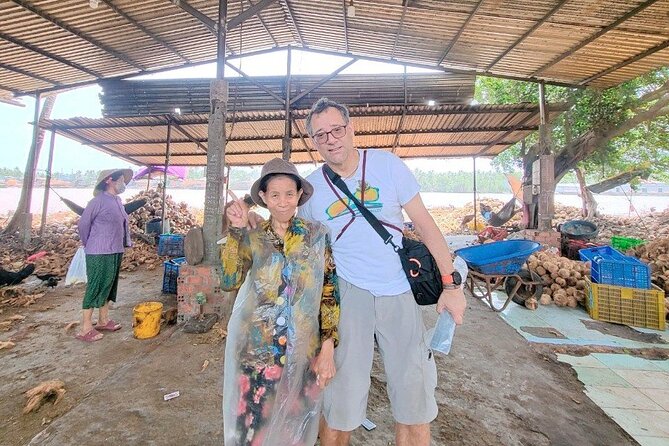
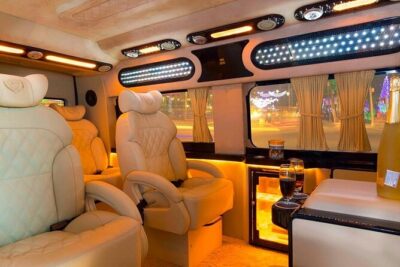
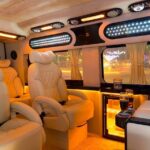
You start with pickup from multiple hotels. The day begins with you being ready around 8:30 a.m., then you meet your guide and roll out by air-conditioned car or minivan. There’s about 1.5 hours to My Tho with a short rest stop so you can stretch and use the restroom.
My Tho is your first real “welcome to the delta” moment. You’ll be walking through the calmer side of river life: greenery, gentle rivers, and pagodas that give you a sense of how this region’s culture shapes daily routine. It’s a good warm-up before the more active market and forest sections.
Vinh Trang Temple: the architecture you’ll want to slow down for
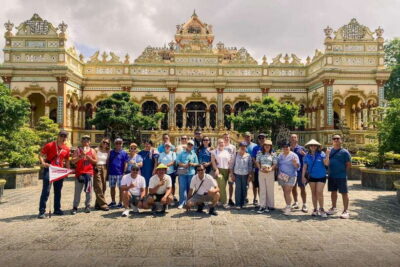
At Vinh Trang Temple, you’re not just looking at a building—you’re seeing a mix of styles in one place. The temple is known for 19th-century architecture that blends Asian and European influences, and it’s the kind of stop that makes photos actually worth it.
Then the tour keeps you in the “easy mode” by serving lunch: a 5-course Vietnamese set menu at a riverside restaurant. You’ll want to lean into it rather than planning your own meal search, because the day is built around timing between stops.
After lunch, the route continues on to Can Tho, with about 2 hours of driving. You’re then dropped at your accommodation for the night, and the tour includes the option for a rustic homestay experience (where dinner is served by your host) or a standard 3-star hotel stay, depending on the arrangement you select.
Your overnight stays: homestay cooking plus a regular hotel reset
This tour includes two nights of accommodation in total:
- 1 night at a homestay (2 guests per room)
- 1 night at a 3-star hotel (2 guests per room)
That combination is a smart travel rhythm. The homestay side adds the human scale—food time, shared routines, and the cooking element. The hotel night gives you a bit of normalcy and comfort before the second day’s longer river activities.
One included detail I like: the tour lists a cooking class at a homestay. Even if you’re not a confident cook, cooking-focused activities usually help you understand local ingredients and tastes in a way that pure sightseeing can’t.
Day 2 early mornings: Cái Răng Floating Market first, then Trà Sư forest quiet
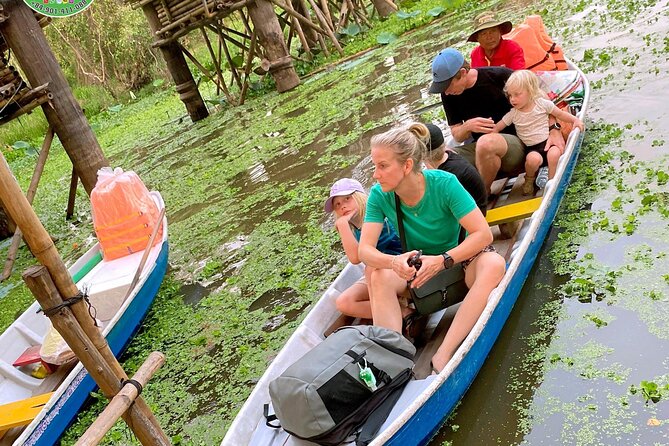
Day 2 starts with an early wake-up and breakfast before you go to Cái Răng Floating Market. The market experience here is timed for the day’s movement, so you’re on the water with the real rhythm of traders rather than arriving after things settle.
You can also read our reviews of more tours and experiences in Ho Chi Minh City
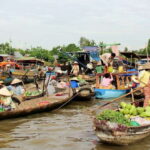

Cái Răng Floating Market: motor-boat views and hand-rowed moments
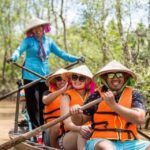
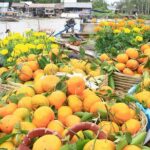
At Cái Răng, you take a motor-boat along the river to reach the floating market area. This is the largest floating market of its kind in the region, and the variety of boats carrying fruits and vegetables is a big reason people remember it.
The tour also includes boat trips beyond motor-boats, including hand-rowed boat time. That kind of slower-moving ride can feel more personal—less engine noise, more direct viewing—so it’s worth showing up ready to look up and around, not just snap pictures.
Trà Sư Bird Sanctuary / Cajuput Forest: nature time without the chaos
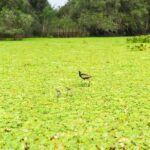
Next you head to Trà Sư Bird Sanctuary, also described as the cajuput forest area. You’ll learn about the reserve setting and the fauna and flora that live there, and the timing keeps it from feeling rushed.
This stop matters because it’s a different side of the Mekong Delta. Markets show how people trade. Trà Sư shows how the ecosystem shapes life—especially with the reserve being about 10 km from the Việt Nam–Cambodia border. The scenery changes from river traffic energy to softer water routes and bird-focused calm.
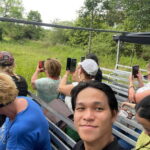
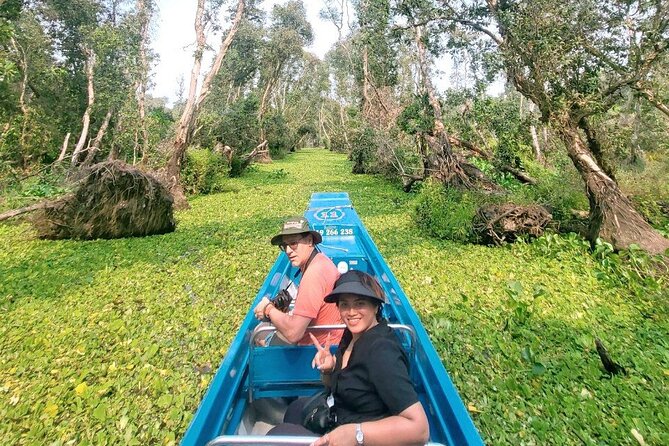
Boat time here is typically what makes the difference. The tour includes boat activity for these segments, so you’re not hiking your way through wet forest paths. It’s more about quiet movement and seeing the forest from the water.
Châu Đốc and Sam Mountain: temple steps with border-country views
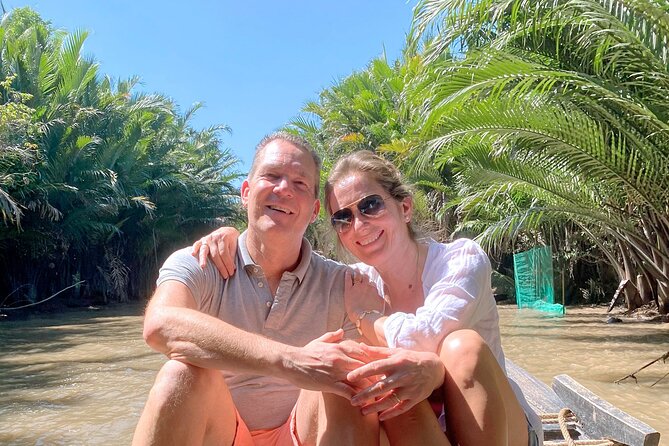
After Trà Sư, you drive to Châu Đốc border town, with lunch served on the way. Once you arrive, you climb Sam Mountain for views into Cambodia. Even when your time on the mountain is short, the viewpoint is the payoff—wide sightlines and that sense of “this region sits at a crossroads.”
Then you check in at your hotel. The schedule leaves you free evening time, which is useful. You can stay close, eat something simple, or just take a breather before the final day’s temple visits.
Day 3 in Châu Đốc: Ba Chùa Xu and Thoại Ngọc Hầu Tomb
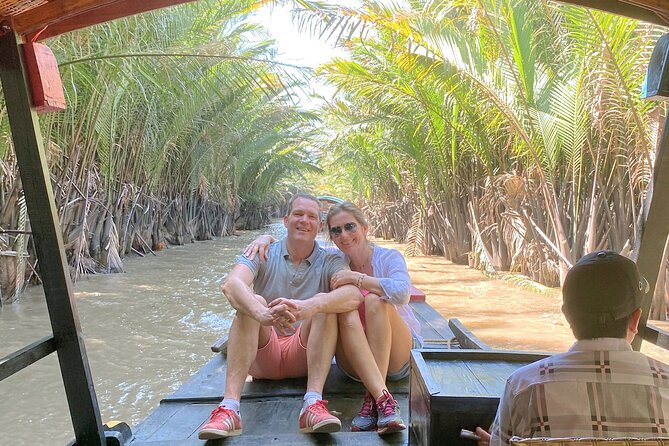
Breakfast is served at your hotel, then you head out again to explore the town’s spiritual sites. This final day is light on logistics and short on walking compared to market and forest sections, which helps if you want your energy conserved for the drive back.
Ba Chùa Xu Temple: protector goddess, built in 1820
You visit Ba Chùa Xu Temple, linked to the protector goddess and built in 1820 at the foot of Sam Mountain (west side). The short stop still gives you cultural grounding for the border-town area. Even if you don’t read every plaque, the location and setting help you understand why this site matters locally.
Thoại Ngọc Hầu Tomb (Son Lang): Nguyen Dynasty architecture at the mountain base
Next comes the Thoại Ngọc Hầu Tomb, also known as Son Lang. It’s described as a well-preserved Nguyen Dynasty mausoleum and temple-area structure at the foot of Sam Mountain in the south. This stop gives you another angle on regional heritage—less market-life, more “who shaped the place” through monumental sites.
Both of these temple stops are timed tightly (around 30 minutes each), so treat them as focused culture moments. You’re not meant to linger for hours; you’re meant to see and understand without burning your whole morning.
Cái Be village lunch and the long drive back to Ho Chi Minh City
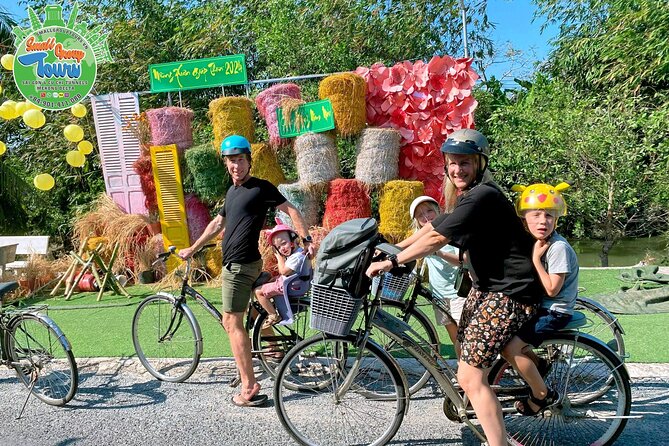
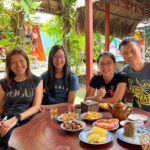
After visiting Châu Đốc, you drive back toward Ho Chi Minh City. There’s a stop at a local village for lunch, served at a local home where your host showcases the food and the way the meal is made.
This is one of the better “feel the place” moments on the whole itinerary. Sitting down with a host—rather than another quick restaurant lunch—tends to make the day feel more human and less like a checklist. You also get a clear sense of how daily life in the delta differs across villages.
The drive back takes time; the schedule gives you a 5-hour block for this segment. It’s a reminder to plan your expectations: this is a tour where the day’s first half is active, and the last half is travel.
Price and value: what $467 buys you (and what it doesn’t)
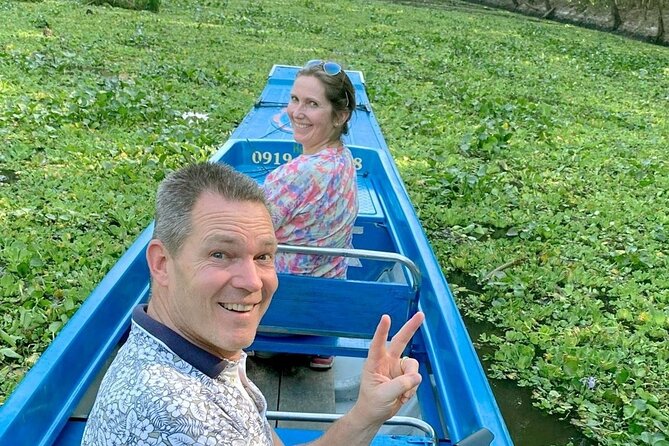
At $467 per person, this tour isn’t the cheapest way to see the delta. But it can be good value if you factor in how much is already arranged for you.
Here’s what you’re getting that usually costs extra when you DIY:
- Hotel pickup and drop-off
- Air-conditioned private transport for the whole route
- A Vietnamese–English-speaking guide
- All boat trips, including motor-boat and hand-rowed boat
- Bicycle ride
- Meals: 2 breakfasts and 3 lunches
- Snacks (fruits, honey tea, candy)
- Drinks: two 500ml bottles per person
- Homestay night + 3-star hotel night
- Cooking class at a homestay
On top of that, the tour includes a mobile ticket and notes group discounts, which can help if you’re booking with family or friends.
What you should budget separately:
- Tips/gratuities (recommended)
- Travel insurance
- Personal expenses and any drinks beyond what’s listed as included
The best way to judge value is simple: if you’d spend your own time bargaining for transport, securing hotels, and timing the boats, this package can be a big stress saver. If you prefer freedom and you’re comfortable planning on your own, you might find cheaper options—but they’ll usually cost you time and energy.
The guide and small details that make it feel organized
One pattern I see clearly is people praising the guide as attentive and competent, with one example being Terry, an older couple who highlighted both the guide’s care and the accommodation as good and informative. That kind of feedback matters because Mekong days can get chaotic fast if your plan is loose.
The tour is also designed with practical comfort in mind:
- You get rest stops early in the day
- You have structured meal timing so you’re not guessing
- You’re dressed for smart casual, with comfortable walking shoes strongly recommended
- Vegan and vegetarian options are available
Another detail: this is listed as a private tour/activity, meaning only your group participates. That can be a real quality boost if you want your questions answered and your pace managed without others steering the day.
Who this tour suits best (and who may want a different pace)
This tour fits best if you want a first-time-friendly introduction to the Mekong Delta without feeling like you’re chasing buses and boat schedules. If you like mix-and-match culture plus nature—temples, markets, forest waterways—this itinerary hits those notes in sequence.
It’s also a good fit if you prefer being handed a plan. You’ll still walk and ride, but you’re not building the itinerary from scratch.
If you hate early starts or you want every minute to be fully self-directed, you might feel constrained. This is still a guided day-by-day route with a lot of moving between regions.
Should you book this Mekong Delta tour from Ho Chi Minh City?
I’d book it if you want a balanced, organized way to see the Mekong Delta in three days, especially if it’s your first trip and you’d rather spend energy looking than planning. The combination of Cái Răng, Trà Sư Bird Sanctuary, border-town viewpoints at Sam Mountain, and a homestay-style night gives you variety without feeling random.
Skip it if you’re trying to do the delta as a totally independent trip, or if long driving days and early mornings are your deal-breakers. For most people who want river life plus cultural context, this tour looks like a strong, practical value.
FAQ
How long is the Mekong Delta tour from Ho Chi Minh City?
It runs for about 3 days.
What is the price per person?
The price is $467.00 per person.
Is hotel pickup and drop-off included?
Yes. Hotel pickup and drop-off are included.
What kind of transport do you use?
You travel by air-conditioned car or minivan, with guided transfers between stops.
Are boat trips included?
Yes. The tour includes boat trips, including motor-boat and hand-rowed boat.
What accommodation is included?
It includes 1 night at a homestay and 1 night at a 3-star hotel, with 2 guests per room.
Are meals included?
Yes. It includes breakfasts (2), lunches (3), snacks, and drinks (two 500ml bottles per person). A 5-course Vietnamese set menu is also included at the riverside restaurant.
Can I get vegetarian or vegan food?
Yes. Vegan and vegetarian options are available.
Do I need a passport?
Yes. A current valid passport is required on the day of travel.
What is the cancellation policy?
You can cancel up to 3 days in advance for a full refund. If you cancel less than 3 days before the experience starts, the amount paid is not refunded.