REVIEW · HO CHI MINH CITY
Mekong Delta 3-Day: Saigon to Phnom Penh Gateway
Book on Viator →Operated by TNK Travel · Bookable on Viator
Mekong Delta time moves slower—until the buses start. This 3-day route takes you from Ho Chi Minh City into the river maze: Cai Be on the Tien River, Cai Rang floating market, Khmer temples, Tra Su’s bird sanctuary, and then a clean path toward Phnom Penh. You also get a real guide (English-speaking) and built-in meals so you’re not hunting all day.
What I like most is how much water-based life you get—boat rides, narrow canals, floating markets, and river stops that feel practical, not staged. I also like the value math: hotel pickup in District 1, 3-star-style lodging (plus the chance of a homestay), and multiple entrance fees and meals folded into one price.
One drawback to plan around: the days run full and early, with a lot of hopping between stops. If you’re the type who hates short visits and shopping pressure, you may feel the “stop-and-go” rhythm more than you want.
In This Review
- Key highlights to know before you go
- Price and logistics: what $261 really buys
- Day 1 in Cai Be: river commerce, antiques, sweets, canals, and biking
- Day 1 accommodation reality check: hotel comfort vs homestay feel
- Day 2: Cai Rang floating market, noodle making, Khmer pagodas, Tra Su
- Day 3: Hang Pagoda, Cham Village, and your Phnom Penh gateway route
- Food on this tour: what to expect (and how to make it work)
- The real schedule feel: early starts, short stop windows, and lots of riding
- Guide impact: when the person matters
- Shopping stops and tips: how to avoid the wrong kind of stress
- Getting to Cambodia: Phnom Penh transfer and the documents you’ll need
- Who this Mekong Delta to Phnom Penh gateway is best for
- Should you book this tour?
- FAQ
- What time does the tour start?
- Where does hotel pickup happen?
- How big is the group?
- What meals are included?
- What accommodation is included?
- Does the tour include a guide?
- Can I continue from Vietnam to Phnom Penh?
- What do I need for the Phnom Penh boat service?
- Is a Cambodia visa included?
- Is there a vegetarian option?
Key highlights to know before you go
- Start at 7:45 am with District 1 hotel pickup (pickup excludes Tan Dinh and Da Kao wards)
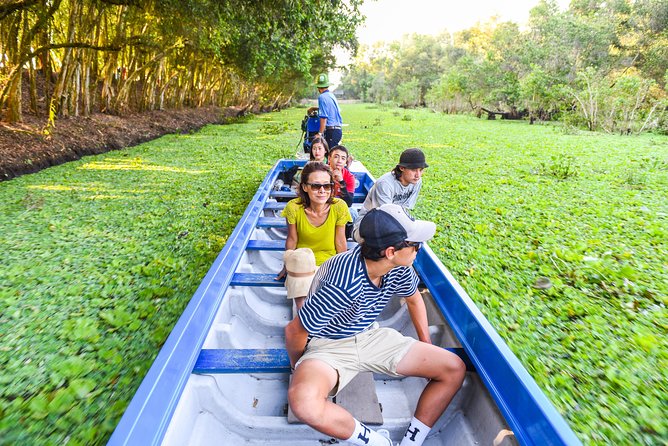
- Water time is built in: Tien River boat ride in Cai Be, canal cruising near Tan Phong, plus Bassac River cruising for Cai Rang
- Culture shows up in real settings: Khmer artistry at Munir Ansay Pagoda and community crafts at Cồn Sơn
- Tra Su Bird Sanctuary is a standout ecological stop near Chau Doc, paired with a major pilgrimage temple (Ba Chua Xu / Núi Sam)
- Your Phnom Penh exit is flexible: fast boat or bus depends on real-time availability if you choose to continue to Cambodia
- Group size is capped at 25 (max), so it’s not a cattle-car experience, but it’s still a group schedule
Price and logistics: what $261 really buys
At $261 per person, this tour is mostly about packaging the heavy lifting: transport, guided stops, boats, entrance fees, and a couple of nights of accommodation. You’re not just buying sightseeing—you’re buying time saved, because the itinerary is built around a specific route from Vietnam’s Mekong Delta to the Cambodia gateway.
The included meal plan matters too. You get breakfast (2), lunch (2), and dinner (1), plus mineral water (1 bottle/day). Those are the meals that usually cost you most when you’re trying to stay flexible. It also means you can spend your mental energy on the experience instead of figuring out where to eat after every boat transfer.
Do note what’s not included: the big one is Cambodia visa. Tips and personal expenses are also on you. And while the tour includes fast transport options toward Phnom Penh, the exact method depends on real-time availability (fast boat vs bus).
You can also read our reviews of more tours and experiences in Ho Chi Minh City
Day 1 in Cai Be: river commerce, antiques, sweets, canals, and biking
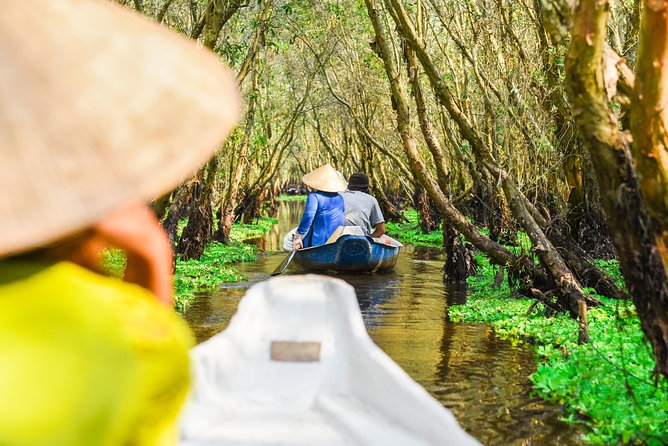
Day 1 is where the Mekong Delta feeling clicks. You start with morning pickup from your Ho Chi Minh City hotel, then you head toward Cai Be and settle into the pace of the Tien River.
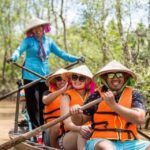
Cai Be boat time on the Tien River is one of the most practical introductions to the region. You’re not just staring at water—you’re seeing how waterway commerce shapes daily life. The tour frames it through the river’s changes, so the sights come with context instead of being random scenery.
Next up is a stop that’s easy to overlook on a typical Mekong trip: Nhà cổ Ông Kiệt, a preserved antique house. This is where you get a sense of the region’s architecture and heritage without needing a museum day. It’s also a nice break from the boat schedule—short, focused, and memorable if you like old wooden details and preserved craftsmanship.
Then you shift toward everyday Mekong Delta production, including a family-run confectionery in Tan Phong where you can see coconut sweets and rice popcorn being made. If you’ve ever wondered why certain snacks taste so specific in this part of Vietnam, this kind of stop gives you the answer. It’s not just tasting—it’s watching how ingredients become products.
The Tan Phong portion also includes narrow canal scenery lined with coconut palms and water lilies. The point isn’t the photo (though you’ll get them)—it’s the slow movement through a smaller world where the water is the road.
Lunch in this section is served in a garden setting with tropical fruits and herbs. I like meal stops like this because they slow the day down. Still, keep your expectations reasonable: one meal stop being “garden pretty” doesn’t automatically mean every dish will impress.
After lunch, you get a bicycle ride on dirt trails through island countryside—palms, rice paddies, and fruit groves. This is the part that often makes people feel the tour was worth the early start. It’s also a good chance to catch your breath, because you’re not always sitting on vehicles.
Day 1 ends with a sunset boat ride back to Cai Be, then transfer by car to Can Tho for hotel check-in. Reviews mention accommodation styles ranging from basic comfort to simpler homestay bungalows, so your choice matters.
Day 1 accommodation reality check: hotel comfort vs homestay feel
Accommodation is “based on twin or double share basic with 3-star hotel or similar,” and the program indicates there’s also a choice of accommodation. Some departures include a homestay option, and feedback shows it can be charming—but basic.
So think of it this way:
- If you choose a 3-star-style hotel, you’re buying steadier comfort and less disruption.
- If you choose a homestay, you’re buying the human side of the trip. People in the homestay setup often help with dinner and you share the vibe with your small group, but you may deal with things like limited comfort (for example, one review noted no AC).
If you’re sensitive to comfort basics (sleep temperature, showers, quiet time), lean toward the hotel option. If you want a more local feel, the homestay can be the highlight—just know it won’t feel like a modern resort.
Day 2: Cai Rang floating market, noodle making, Khmer pagodas, Tra Su
Day 2 is built around iconic Mekong Delta scenes, and it moves through them efficiently.
Your morning includes a boat excursion along the Bassac River toward Cai Rang Floating Market. This is the kind of morning activity that’s worth doing early: you see the market atmosphere with less crowd stress. Even if you’ve seen floating markets in photos, the real value is how layered the waterfront trading looks when you’re on the water.
A standout add-on is the noodle factory stop. You watch how rice noodles go from ingredients to finished product using older methods. It’s a simple cultural lesson, but it’s also hands-on in the sense that you can watch the work cycle. It’s the kind of stop that makes the Mekong feel like an economy, not just a postcard.
Then you head to a cultural landmark: the Munir Ansay Pagoda, a Khmer Buddhist temple with intricate Khmer artistry and murals. If you care about how different ethnic traditions show up in one region, this stop is a strong one. It helps explain why the Mekong Delta isn’t only Vietnamese-influenced.
After that comes Cồn Sơn (Con Son), with a boat journey focused on community-run, eco-minded tourism and crafts supported by family initiatives. This is where you learn that “eco” here isn’t a marketing buzzword—it’s about shared local responsibility and keeping traditions alive while managing visitor impact.
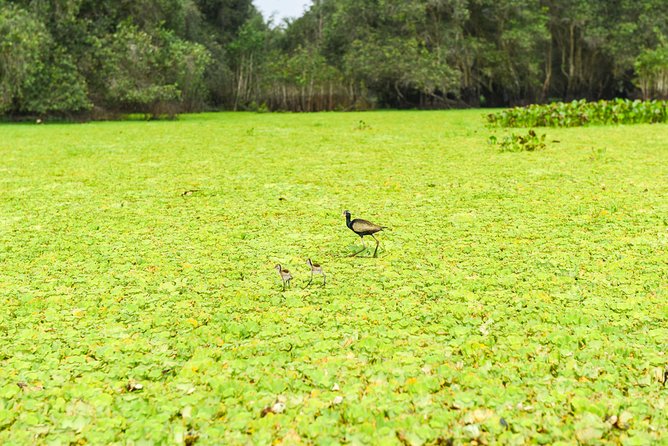
Next: the nature shift to Tra Su Bird Sanctuary near Chau Doc in An Giang. This is a mangrove ecosystem experience tied to birds and forest ecology. It’s also a good counterweight to the market and temple stops. You go from human activity on water to an environment where nature is the main character.
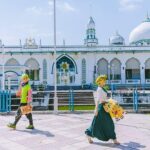
The day pairs Tra Su with a major religious stop: Ba Chua Xu Temple on Núi Sam. This is a pilgrimage site, and it adds a strong spiritual layer to the day. Even if religion isn’t your main interest, temple visits often teach you how locals interpret protection, faith, and daily life.
Day 3: Hang Pagoda, Cham Village, and your Phnom Penh gateway route
Day 3 takes you deeper into the Chau Doc area. If you’re continuing to Cambodia, this is the day that sets you up for the Phnom Penh transfer.
Early on, you’ll have an optional stop arranged at the boat meeting point for the onward route to Phnom Penh. From there, the program can use a fast boat or bus ticket, depending on real-time conditions. The important practical point: you’ll need to prepare travel documents for the boat service, including passport photo(s) provided before the departure date.
After the “gateway” setup, you visit Hang Temple (Chua Hang) on Sam Mountain. The walking path is part of the experience, with greenery around you and the temple as the calm payoff.
Then you go to the floating village and Cham Village area. This is your chance to see how Cham culture connects with the Mekong Delta region. It’s not a long stop, but it’s the kind of visit that makes the area feel human and specific, not just environmental.
Later in the day there’s Long Xuyên cuisine, served at a local restaurant. The menu is designed to highlight regional flavors and traditional methods, which is exactly what I like on a multi-stop tour: you get a place in the story where food is the main language.
The tour can end with a relaxing transfer back toward Ho Chi Minh City, depending on whether you choose the Phnom Penh continuation.




Food on this tour: what to expect (and how to make it work)
This itinerary is built on the idea that eating should be part of the route, not an afterthought. The included breakfasts and lunches help you stay on schedule.
That said, meal quality can be mixed on any group tour that packs many stops. One piece of feedback I’d take seriously: some meals may be served cold, and breakfast can be simple (coffee and bread were mentioned). So if you’re picky about breakfast, keep that in mind and consider bringing a small snack.
Practical advice:
- Save your biggest appetite for the meal stops where you’re not rushing immediately afterward.
- Bring a light backup snack for the times when you only get short windows between stops.
- If you want vegetarian, you can request it at booking. That’s worth doing early so the kitchen has time to plan.
The real schedule feel: early starts, short stop windows, and lots of riding
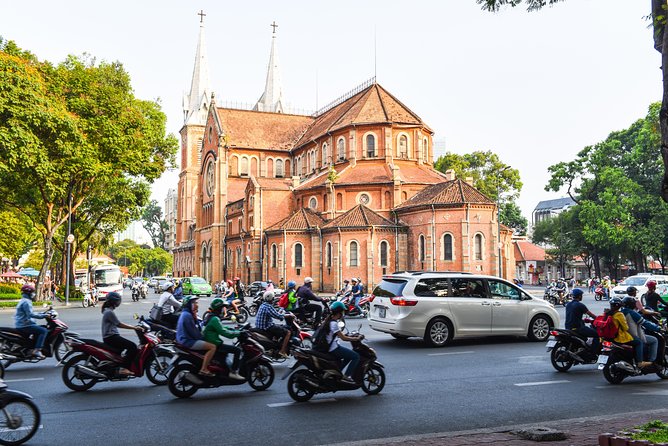
The tour starts at 7:45 am, and in real life that means you’re likely leaving earlier than you’d like if you’re on vacation-mode sleep. The overall rhythm is also “vehicle-heavy,” with a lot of movement between Vietnam’s river towns and temple areas.
Some stops are longer, but many are meant to be efficient—think 20 to 60 minutes—so you see a lot without spending half a day sitting in one place. If you love deeper time in fewer spots, you might wish certain locations had more lingering time. If you love variety, you’ll probably feel like the tour gives you a strong taste of the Mekong Delta in a short window.
Also, charge planning matters. One review noted buses could have charging ports, but they didn’t. So bring a charged power bank if you rely on your phone for navigation or photos.
Guide impact: when the person matters
On tours like this, the guide can make or break the day. Feedback highlights this clearly, with guide names like Sunny, John, Alex, Gordon, and Tom Cruz showing up in strong comments about energy and explanations.
Here’s the practical takeaway for you: ask questions early, and use your guide to help you make sense of what you’re seeing—temples, Khmer art, canal life, and bird sanctuary ecology all connect better when someone gives the “why.”
Even if your guide style differs from what you hoped, you can still do well by preparing:
- Ask how long you have at each stop.
- Ask what you should focus on at temples and markets.
- Ask how to handle the shopping stops without feeling pressured.
Shopping stops and tips: how to avoid the wrong kind of stress
The Mekong Delta route includes places that sell crafts, confections, or souvenirs—often conveniently timed with rest breaks. Some people love these stops; others feel they eat time.
The practical way to handle it:
- Set a spending limit before you go.
- Say no calmly and move on. If you hesitate, the pressure tends to grow.
- Budget for tipping only if you’re comfortable. Boat/rower tipping came up in feedback as an expectation, so decide your approach ahead of time.
Also, if you’re sensitive to fast decisions, consider packing a short list of what you actually want to buy. That keeps you from drifting into random stalls at the end of a long day.
Getting to Cambodia: Phnom Penh transfer and the documents you’ll need
If you choose the Phnom Penh option, the tour includes transport via fast boat to Phnom Penh or a fast boat/bus ticket depending on availability. This is the part that turns the Mekong Delta trip into a true cross-border gateway.
One key detail: for the boat service, you’ll need to provide passport photo(s) before departure. This matters because without the photo, the transfer can’t proceed smoothly.
Plan your day with this in mind. You’re not just sightseeing on Day 3—you’re also preparing for onward travel.
Who this Mekong Delta to Phnom Penh gateway is best for
I think this tour fits best if you:
- Want a structured 3-day hit of Cai Be + Cai Rang + Tra Su + Chau Doc without planning transport between towns.
- Like being on boats and watching river life rather than only doing roadside stops.
- Are okay with early starts and short windows at each location.
- Want a guided route that reduces decision fatigue, especially if you’re heading toward Phnom Penh.
I’d choose a different style of trip if you:
- Want lots of quiet time in a single place.
- Hate shopping pressure and unpredictable short stops.
- Need high-comfort accommodations without variation.
Should you book this tour?
If you want value and variety in one package, this is a solid choice. For the price, you’re getting transport, guided stops, multiple boat experiences, key cultural sites, and a path toward Phnom Penh—without having to stitch the itinerary together yourself.
My rule of thumb: book it if you’re traveling with a flexible mindset and you’ll treat the short stops as samples, not final chapters. Skip it if you’re craving slow travel and deep time, because this route moves fast.
Either way, go in with realistic expectations about schedule intensity, and you’ll get a memorable Mekong Delta experience that actually connects Vietnam to Cambodia.
FAQ
What time does the tour start?
The meeting start time is 7:45 am.
Where does hotel pickup happen?
Pickup is offered for centrally located hotels in District 1, except Tan Dinh ward and Da Kao ward.
How big is the group?
The group maximum is 25 travelers.
What meals are included?
The tour includes breakfast (2), lunch (2), dinner (1), and mineral water (1 bottle/day).
What accommodation is included?
Accommodation is twin or double share basic with 3-star hotel or similar, based on your accommodation choice. A homestay option may be part of the experience choice.
Does the tour include a guide?
Yes. You get a local English-speaking tour guide.
Can I continue from Vietnam to Phnom Penh?
Yes. There is an optional exit to Phnom Penh, with onward transport included (fast boat to Phnom Penh if chosen, or fast boat/bus ticket depending on availability).
What do I need for the Phnom Penh boat service?
You’ll need to provide a passport photo for each traveler before the departure date to complete the booking procedure for the boat service.
Is a Cambodia visa included?
No. The Cambodia visa is not included.
Is there a vegetarian option?
Yes. A vegetarian option is available—you need to advise at the time of booking.