REVIEW · HO CHI MINH CITY
Cooking Class with Ben Thanh Market visit
Book on GetYourGuide →Operated by Saigon Cooking Class · Bookable on GetYourGuide
Ben Thanh becomes your spice cabinet. I like that this experience starts with a chef-led walk through Ben Thanh market, where you learn why ingredients matter, not just how to buy them. I also love the hands-on cooking setup, because everyone cooks together with their own tools and ingredients instead of watching from the sidelines.
One thing to consider is the pace. The cooking part can move quickly during certain multi-step stages, so if you want extra time, stay close to your station and ask questions when you feel behind.
In This Review
- Key highlights to look for
- Why Ben Thanh Market makes this cooking class feel real
- Meeting at Cua Tay gate, then the quick taxi jump to class
- Market shopping: what your chef teaches you while you pick ingredients
- Inside the kitchen: your station, step-by-step cooking, and MSG-free rules
- The 3-course meal: what you can expect and how to make it fit you
- Class pacing and English support: what works best for different cooks
- Small-group energy and the reason this feels comfortable
- Price and value: does $45 make sense for this morning?
- Who should book this Ben Thanh cooking class
- FAQ
- FAQ
- What time does the Ben Thanh Market part start and end?
- When does the cooking class begin?
- How long is the cooking class?
- What does the price include?
- Is pick-up or drop-off included?
- What’s the meeting point and time?
- Can the menu be adapted for dietary needs?
- Are MSG or Knorr powders used?
- Is the class taught in English?
Key highlights to look for
- Chef-guided Ben Thanh Market shopping: you choose ingredients with context, not a generic checklist
- Hands-on cooking for the whole group: step-by-step with your own equipment
- A true 3-course meal: you cook and then eat what you make
- MSG and Knorr powder are forbidden: flavor comes from real ingredients and technique
- Dietary changes are possible: vegetarian and allergy adjustments can be made if you tell them ahead
- An English-speaking Vietnamese instructor: clear instructions and patient help in class
Why Ben Thanh Market makes this cooking class feel real
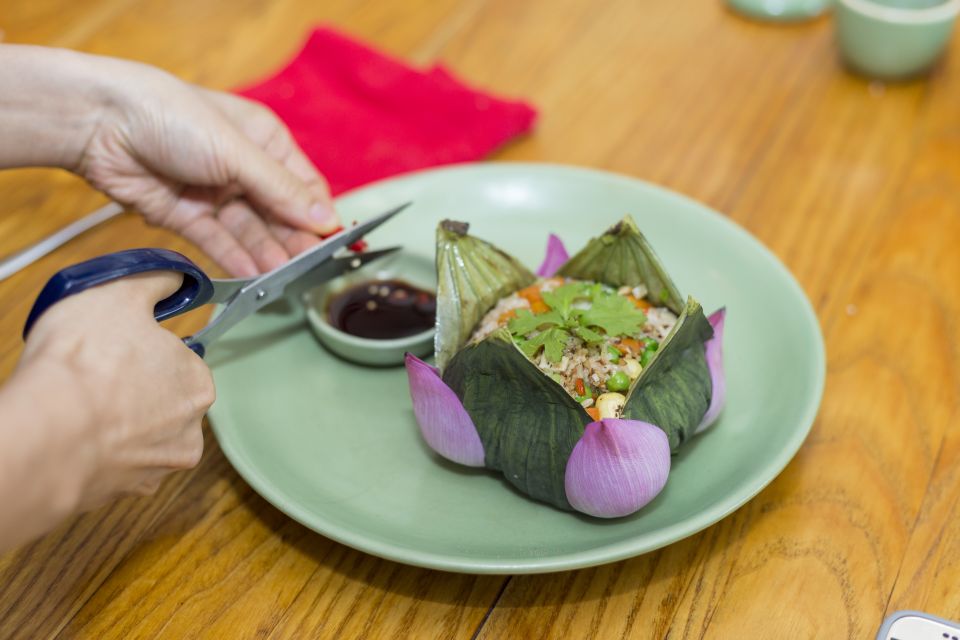
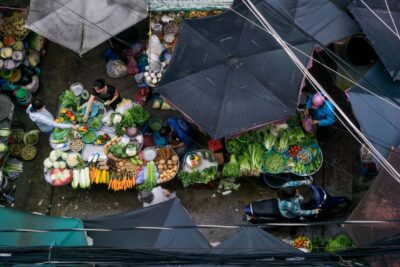
Starting at Ben Thanh changes the whole tone of the day. Instead of showing up at a kitchen and memorizing recipes, you get to see the foods you’ll actually cook with. The market visit runs from 9:00 AM to about 9:50 AM, which is long enough to get oriented and pick key items with your chef guiding the process.
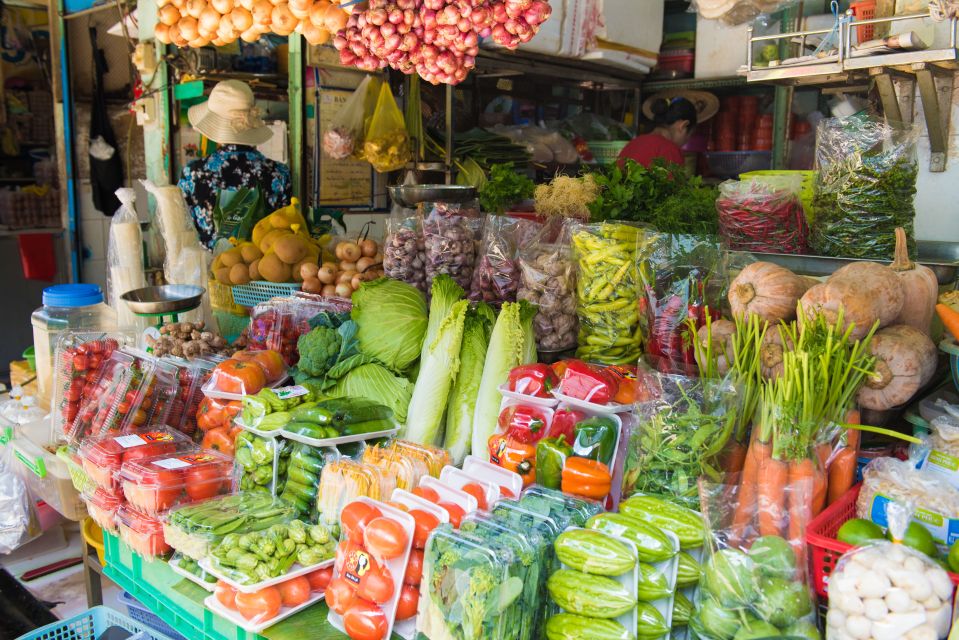
I like that the chef doesn’t treat the market like a photo stop. You move through stalls with a purpose: herbs for fresh flavor, vegetables that hold up to cooking, and ingredients that show up again and again in Vietnamese dishes. Even if you already know Vietnamese basics, the market walk helps you connect the ingredients on a receipt with the steps on your cutting board.
This is also a smart way to learn local taste preferences. Vietnamese cooking often depends on balance: herbs, acid, sweetness, salt, and the way aromatics build flavor. Seeing and choosing the produce first makes those balances click later when you’re actually cooking.
You can also read our reviews of more shopping tours in Ho Chi Minh City



Meeting at Cua Tay gate, then the quick taxi jump to class
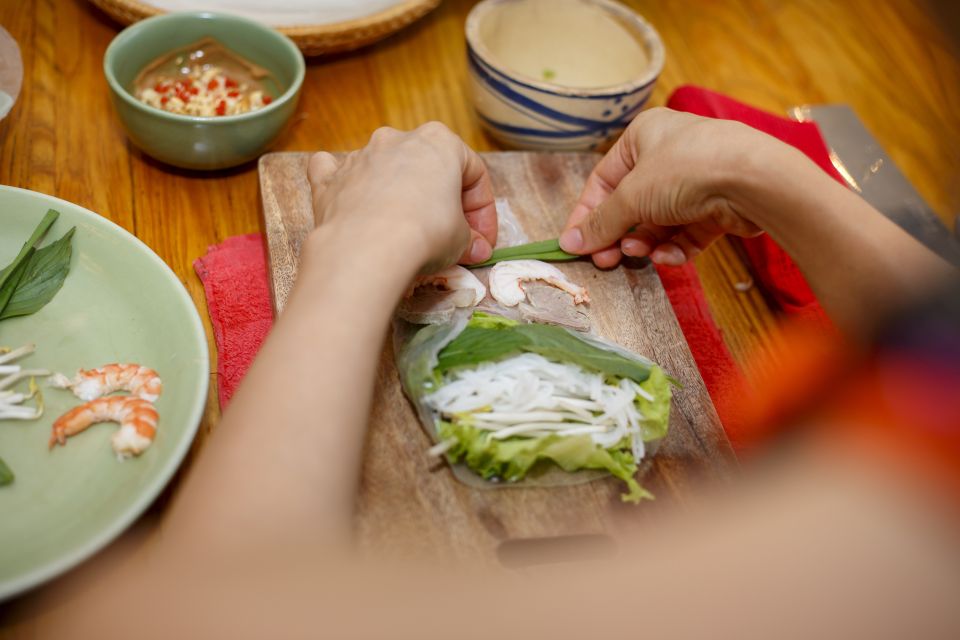
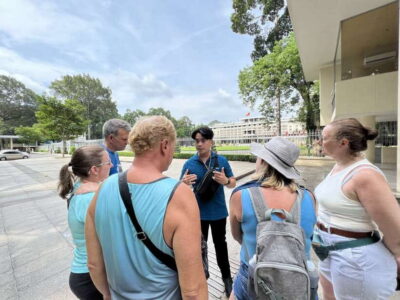
You meet the chef at 9:00 AM at the Cua Tay gate of Ben Thanh market on Phan Chu Trinh Street. The chef wears a Saigon Cooking Class t-shirt, so finding the right group is usually straightforward.
Then you get the best of both worlds: market time first, and then a fast transfer. At 9:40 AM, the chef brings you back by taxi to start the cooking class at 10:00 AM. You’ll finish back at the meeting point after class, so the day stays simple: start in the market, cook together, and end where you began.
If you’re the type who hates late starts, this schedule is reassuring. You get a focused morning block, and you’re not dragging the experience out into an all-day ordeal.
Market shopping: what your chef teaches you while you pick ingredients
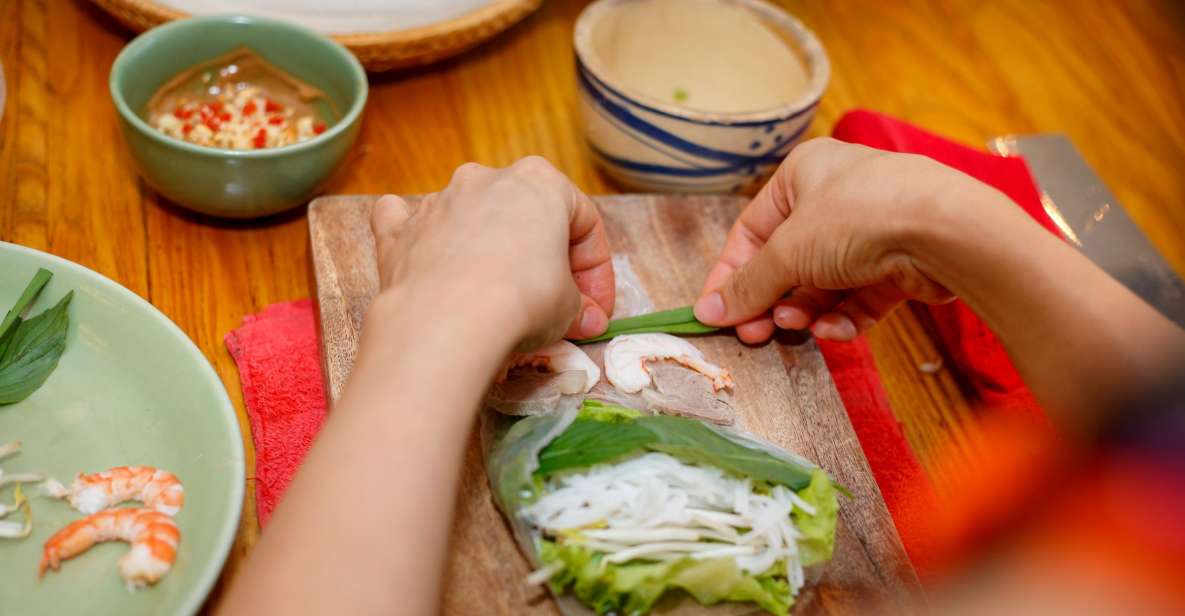
The market portion is about more than buying. You’re learning how ingredient choices affect outcomes. The chef guides you toward what’s needed for the dishes you’ll make, and you get explanations as you go.
Here are the kinds of things that make this part valuable:
- How to spot the right produce for flavor and texture, not just appearance
- What each ingredient does in the dish, so you know what to look for if you cook at home later
- How Vietnamese cookingware and ingredient preparation connect, so the kitchen steps make sense
Some people prefer cooking classes that skip the market. If you’re in that camp, you may wonder why it matters since not every ingredient is necessarily bought in the market. But in practice, this chef-led route is useful because you can ask questions while you’re surrounded by the real ingredients you’ll be using later.
Tip: don’t plan to eat a big breakfast before this. You’ll be hungry by the time cooking starts, and it’s more fun when you can taste what you’re making right after.
Inside the kitchen: your station, step-by-step cooking, and MSG-free rules
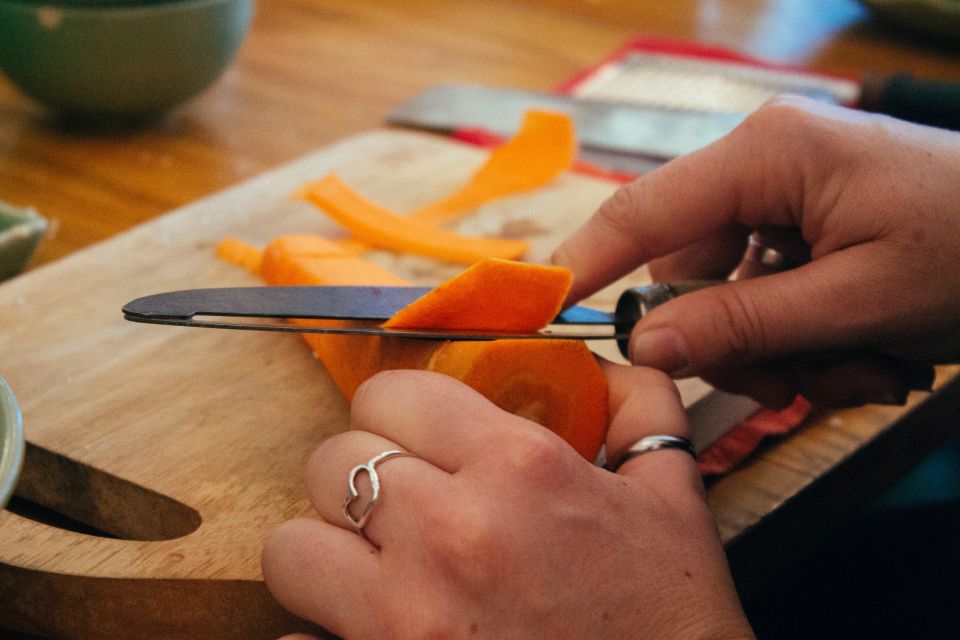
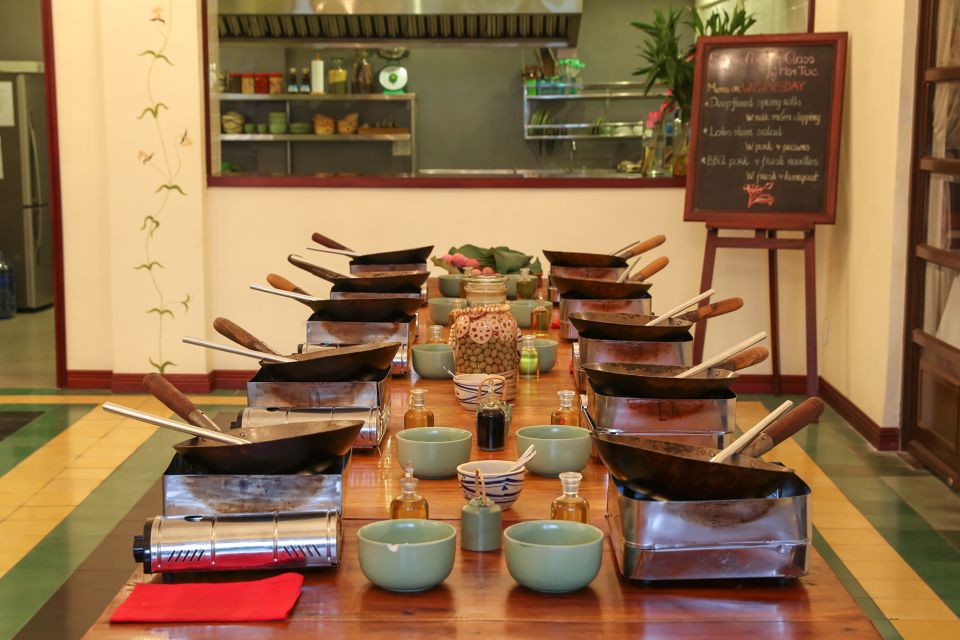
From 10:00 AM to 1:00 PM, the class runs like a structured cooking lab. Everyone cooks together following the chef’s instructions, and each person gets their own equipment and ingredients. That matters. When you have your own station, you practice the motions instead of only hearing about them.
You’ll also get a look at Vietnamese cookingware. That’s a quiet but real advantage: Vietnamese kitchens rely on specific tools and setups, and seeing how those tools work helps you understand why certain techniques turn out the way they do.
One of the clearest quality signals in this class is the seasoning rule: MSG and Knorr powders/enhance flavors are forbidden. That doesn’t just mean fewer shortcuts. It also pushes the flavor building to where it belongs—aromatics, herbs, salt balance, and proper cooking.
In other words, you’re learning a style of cooking you can actually replicate without relying on flavor packets.
The 3-course meal: what you can expect and how to make it fit you
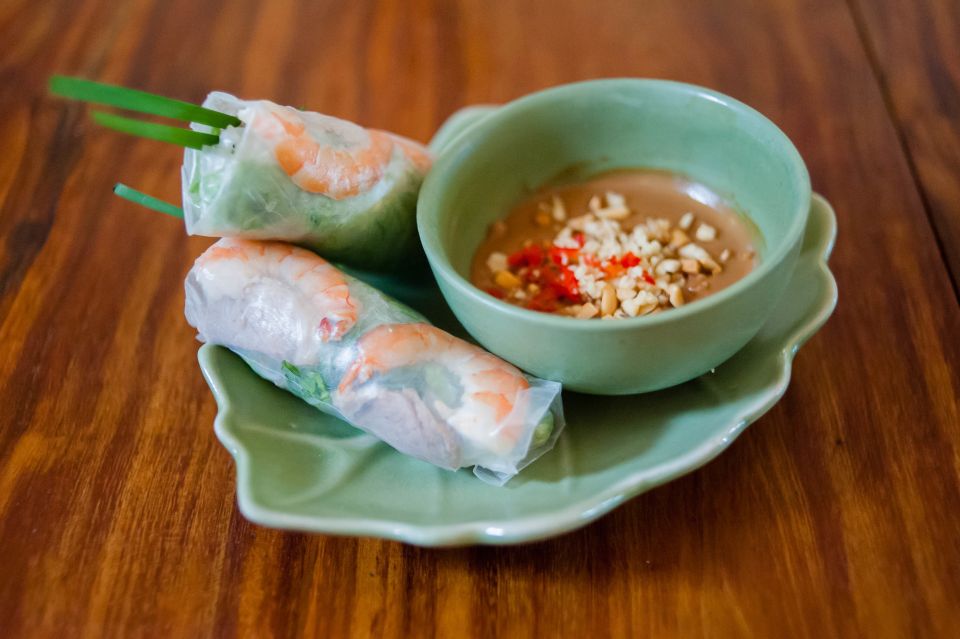
The class is built around making and enjoying a 3-course meal. You’ll cook together, then eat what you produce as you go through the meal flow. People tend to love this format because you’re not stuck waiting for the end to taste.
Menus can be adapted for vegetarians and people with food allergies if you let the operator know in advance. That’s a big deal, because some cooking classes say they can accommodate diets but then hand you a rough substitute. Here, the option is explicit, so you’re more likely to get a meal that still makes sense as Vietnamese food.
Even without a written menu shared in the basic overview, the structure stays consistent: you’ll work through multiple dishes, learning both ingredients and methods, and you’ll finish with a satisfying meal you didn’t have to guess your way through.
You can also read our reviews of more tours and experiences in Ho Chi Minh City




Class pacing and English support: what works best for different cooks
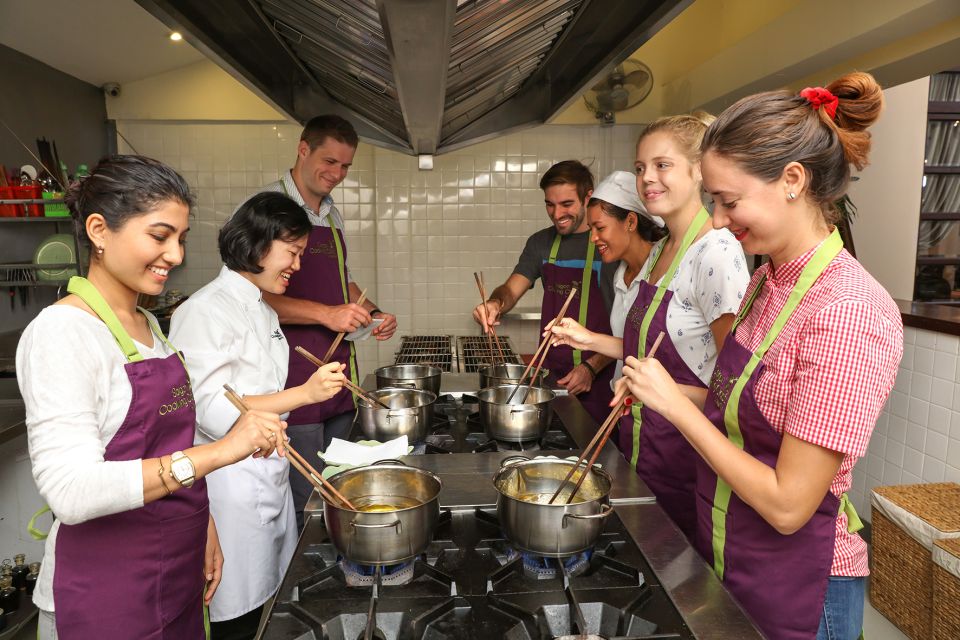
The instructor is Vietnamese and English-speaking, and multiple guides and chefs mentioned in the experience include people like Chef Ly and Chef Oanh. Guides such as Thao, Wan, and Li are also named, and the common thread is clear communication.
That said, pacing can be the trick. One account notes the teacher can be quick during multi-step moments, and another points out the class can still feel well-paced overall. Put those together and you get a practical takeaway: the chef may move briskly to keep everyone on track, but you still get guidance as you cook.
If you’re a slower cook, the best strategy is simple:
- Pay close attention at the start of each dish
- Keep your station clean so you don’t waste time searching mid-step
- Ask questions early rather than trying to catch up after steps stack up
The upside for beginners is that a lot of prep is supported. Some ingredients may be portioned ahead of time, which reduces frustration without taking away the real cooking work. You still do the cuts, the mixing, and the heat—just with fewer bottlenecks.
If you’re an experienced home cook, you’ll still benefit because the class gives you a Vietnamese workflow and flavor logic. Even if your knife skills are strong, seeing how Vietnamese chefs build flavor without MSG/Knorr shortcuts can be a useful reset.
Small-group energy and the reason this feels comfortable
This experience is run in a small group. One mention in the provided details includes teaching a group of about 12 people, which is a sweet spot for hands-on learning. It’s big enough to be lively, but small enough that the chef can help when something goes wrong.
That’s where the English support matters most. In a cooking class, you need more than translation—you need to understand the timing and the reason behind steps. The way the chefs described instructions suggests a patient, practical style, especially for people who aren’t speaking Vietnamese at home.
You’ll also find the class setup encourages interaction. You’re cooking at the same time as everyone else, so questions come naturally as ingredients hit your station.
Price and value: does $45 make sense for this morning?
At $45 per person, this is priced like a proper half-day experience with real labor behind it. What you get is not just a tasting. You get:
- About 50 minutes of chef-led market shopping
- 3 hours of hands-on cooking instruction
- A 3-course meal
- Iced tea and water
- A digital recipe book
So the value isn’t only in the food. It’s in the combination: ingredient context + technique practice + a takeaway recipe guide. If you’ve done cooking classes before where the meal feels like a minor perk, this one tends to land differently because you’re actively producing multiple dishes and then eating them.
The MSG/Knorr rule also supports the value. Training without relying on packaged flavor enhancements is more transferable to your kitchen. You’re more likely to recreate the tastes at home.
One more point: the day runs starting at 9:00 AM and finishing back at the meeting point, with the taxi transfer included. Since pickup and drop-off aren’t included, you’ll want to plan your own arrival. But once you’re there, the schedule is handled cleanly.
Who should book this Ben Thanh cooking class
Book it if you want:
- A chef-led market start that teaches you what to look for and why
- A hands-on cooking class where you cook, not just watch
- A clear attempt at learning Vietnamese flavor without MSG/Knorr shortcuts
- A morning activity with a real meal at the end
It may not be the best fit if:
- You hate markets and feel they slow you down
- You need a super-slow, step-by-step rhythm with lots of pause time (the cooking can move quickly)
- You’re looking for a pure cultural tour with minimal cooking time (this is still a cooking-first experience)
If you’re visiting Saigon and want one class that feels grounded in real ingredients, this is a strong choice.
FAQ
FAQ
What time does the Ben Thanh Market part start and end?
The market visit starts at 9:00 AM and runs until around 9:50 AM.
When does the cooking class begin?
At 9:40 AM, you head back by taxi to start the cooking class at 10:00 AM.
How long is the cooking class?
The cooking class runs from 10:00 AM until 1:00 PM.
What does the price include?
It includes the market tour (about 1 hour), the 3-course cooking class, iced tea and water, and a digital recipe book.
Is pick-up or drop-off included?
No. Pick-up and drop-off are not included.
What’s the meeting point and time?
Meet the chef at 9:00 AM at the Cua Tay gate of Ben Thanh market on Phan Chu Trinh Street. The chef will wear a Saigon Cooking Class t-shirt.
Can the menu be adapted for dietary needs?
Yes. The menu can be adapted for vegetarians and for people with food allergies, as long as you tell them in advance.
Are MSG or Knorr powders used?
No. MSG and Knorr powders/enhance flavors are forbidden.
Is the class taught in English?
Yes. The instructor is Vietnamese and English.