REVIEW · HO CHI MINH CITY
HCM: 2-Day Mekong Floating Market with Cooking & Bike Ride
Book on GetYourGuide →Operated by SST Travel · Bookable on GetYourGuide
Two days, and you’re already on the water. I like the Cai Rang Floating Market chaos that feels real, and I love the hands-on cooking class where you eat what you make. One drawback: this is a packed schedule, so you’ll want decent energy for boats, walking, and a bike ride.
I went into this expecting a “tour bus to pretty views” day. Instead, you get a tight mix of market life, temple architecture, canal rowing, and food prep, all with an English-speaking guide keeping things moving. If you want slow travel and lots of downtime, this may feel like a lot.
In This Review
- Key bits I’d underline before you go
- Two Days Down the Mekong: How This Tour Actually Feels
- Day 1: Vinh Trang Pagoda and My Tho’s Island Life on the Water
- Vinh Trang Pagoda: A strong start before you hit the canals
- Unicorn Island (Thoi Son): Coconut candy, fruit gardens, and canal time
- Sampan/rowboat ride: the moment the Delta turns quiet
- Bee farm and honey tea: a sweet local detour
- Lunch and then Can Tho: food first, then a breather
- Can Tho at Night: Free Time Without the Guesswork
- Day 2: Cai Rang Floating Market and Rice Noodle Making
- Cai Rang Floating Market: see trade happening in real time
- A historic house stop: short, not slow
- Hands-On Cooking: Bánh Xèo or Bánh Khọt in Your Own Lunch
- Why this cooking class is better than a “watch and eat” lesson
- If you’re picky about food: you can still enjoy it
- Cycling Through Village Roads: Local Life at Land Speed
- What to consider before you ride
- Price and Value: What You’re Really Paying For at $87
- Solo travelers: check the single room fee
- Holiday surcharges exist
- Who This Tour Fits Best (and Who Should Skip It)
- Should You Book This Mekong Delta Floating Market + Cooking + Bike Ride?
- FAQ
- What’s included in the tour price?
- Where does pickup happen in Ho Chi Minh City?
- Do I get a hotel for one night?
- What do I cook during the cooking class?
- Is the floating market included on the second day?
- Is this tour suitable if I can’t swim?
- What should I bring for the trip?
Key bits I’d underline before you go
- Cai Rang Floating Market at boat level: you see how fruit and everyday goods move when vendors sell from the water.
- Unicorn Island (Thoi Son) canal time: the sampan/rowboat ride is quieter than the markets and makes the Delta feel close up.
- Vinh Trang Pagoda stop: a major landmark with distinctive local religious architecture.
- Coconut candy, coconut wine, honey tea: tastings are built in, not treated like a side quest.
- Bánh Xèo or Bánh Khọt cooking class: you learn the two Southern Vietnamese pancake styles and then lunch on your results.
- Village cycling on day two: you cover more ground than walking, while still feeling local rather than just sightseeing.
Two Days Down the Mekong: How This Tour Actually Feels
This tour works because it doesn’t treat the Mekong Delta like a single attraction. It strings together different “ways of moving” and “ways of eating,” starting on the road out of Ho Chi Minh City and then shifting to boat life, canal life, and finally village roads on a bike.
What you’ll notice first is timing. You start early both days (around 7:30 AM), and then the activities keep coming. That’s not a flaw if you like variety. It is a reality if you need long breaks.
The second thing you’ll feel is rhythm. Day 1 leans toward My Tho / Ben Tre area culture—pagoda, island stops, crafts, fruit gardens, and canal rowing. Day 2 shifts toward the headline experience: the famous floating market plus a cooking class and a countryside bike ride before you return to Ho Chi Minh City.
If you’re the type who likes checking boxes quickly but still wants real contact with local life, this delivers. If you’re looking for quiet beaches or long scenic boat cruises with nothing else going on, you’ll probably feel the schedule.
You can also read our reviews of more cycling tours in Ho Chi Minh City

Day 1: Vinh Trang Pagoda and My Tho’s Island Life on the Water
You start in Ho Chi Minh City with hotel pickup from within District 1, then drive out with air-conditioned comfort and a guide explaining what you’re seeing. There’s a brief rest stop en route, which helps because your first big stop is a temple.
Vinh Trang Pagoda: A strong start before you hit the canals
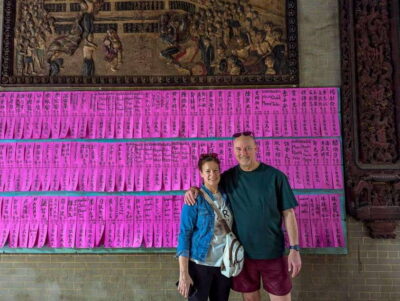
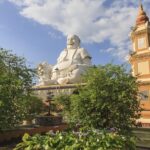
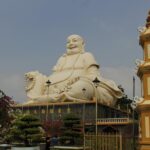
At Vinh Trang Pagoda, you get one of the Delta’s best-known spiritual sites. The draw here is the architecture: distinctive religious design that’s strongly tied to the region’s identity. It’s also a useful tone-setter for the day. Markets and boats are fun, but a pagoda visit gives context for why the Mekong Delta life has so many rituals and community spaces.
Practical note: even if you’re not a temple person, you’ll still likely enjoy this stop because it’s quick, visual, and easy to understand once your guide points out details.
Unicorn Island (Thoi Son): Coconut candy, fruit gardens, and canal time
After arriving at My Tho Port, you board a boat to Unicorn Island (Thoi Son). This part is where the Mekong Delta stops feeling like an itinerary and starts feeling like a place.
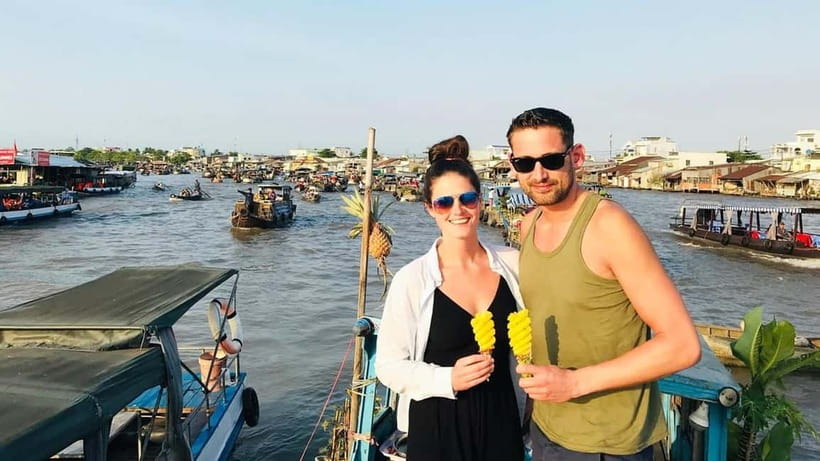
On the island, you’ll see small-scale local craft life, including a coconut candy workshop. The tastings matter here. You’re not just watching from the sidelines—you’re tasting traditional coconut candy and coconut wine, which helps you understand why these ingredients show up everywhere in Southern Vietnamese food culture.
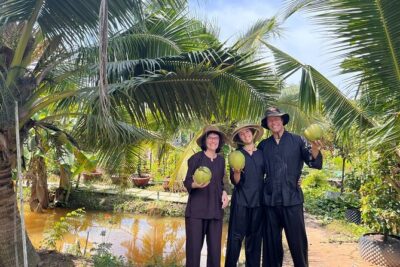
Then there’s time in tropical fruit gardens, paired with Southern Vietnamese folk music. Even if you don’t understand every lyric, the sound sets the mood. You’re outside, moving slowly, and the experience feels more like you’re hanging out with local routines than racing between attractions.
Sampan/rowboat ride: the moment the Delta turns quiet
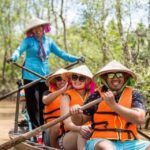
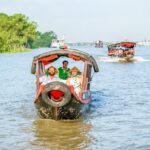
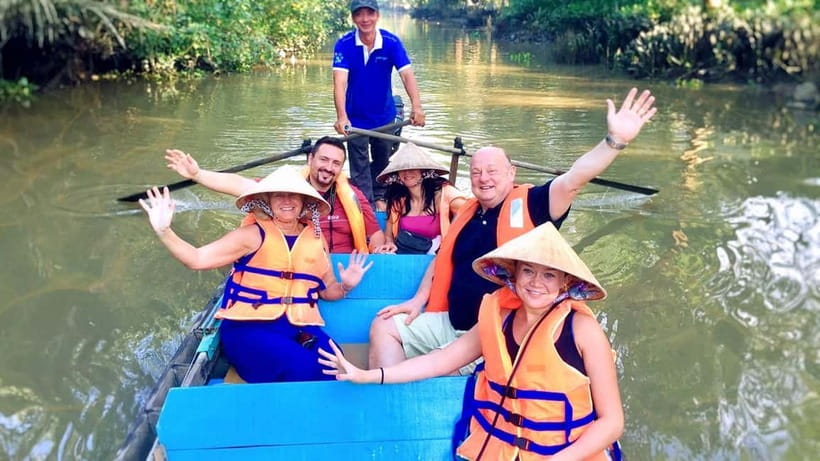
One of the most relaxing segments is the serene rowboat ride along small canals on the island. This is where you feel the Delta’s scale without the stress of a busy market. You glide past waterways and greenery with fewer interruptions, and it’s a nice contrast to the temple and workshop stops.
If you’re deciding whether to pack motion gear like sturdy shoes, this is why. You’ll likely spend time walking on uneven surfaces before and after the boat, and you want your feet comfortable.
You can also read our reviews of more shopping tours in Ho Chi Minh City
Bee farm and honey tea: a sweet local detour
Later on, you’ll visit a bee farm and taste honey tea fresh from the farm. This is one of those practical “local ingredient” stops that makes the region’s flavors feel less random. Honey isn’t just a flavoring here; it’s part of a small local production chain.
Lunch and then Can Tho: food first, then a breather
You’ll have a traditional Vietnamese lunch at a local restaurant. After that, you head to Can Tho, the cultural hub of the Delta area.
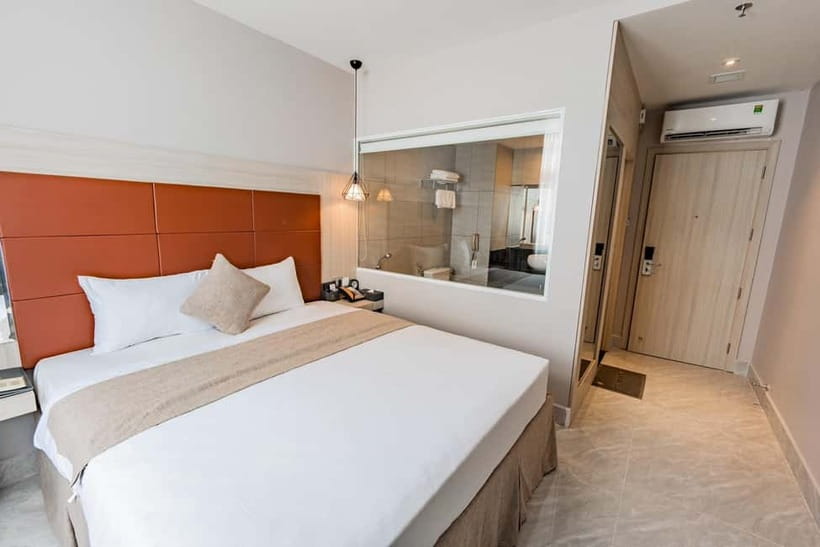
Once you check into your hotel, the tour gives you a self-guided dinner night. That’s a real plus. It means you can either hunt for street food on your own or just eat near your hotel and rest—useful after a day that moves from pagoda to island to boats.
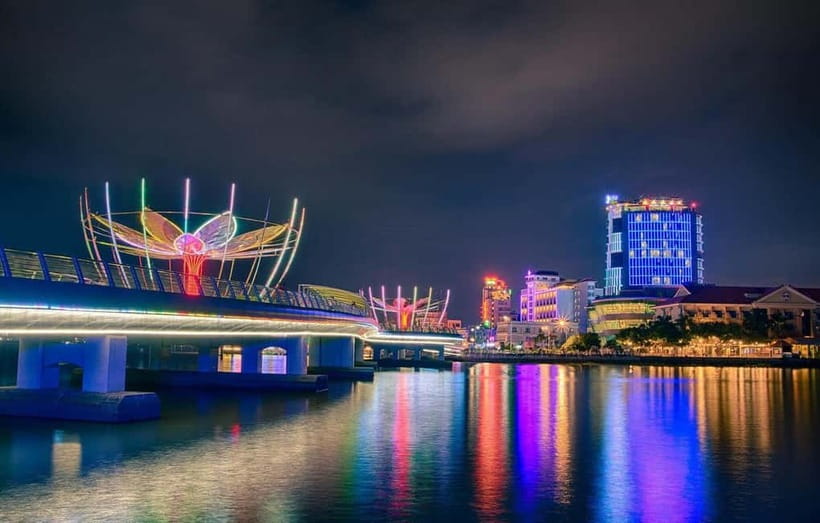
Can Tho at Night: Free Time Without the Guesswork
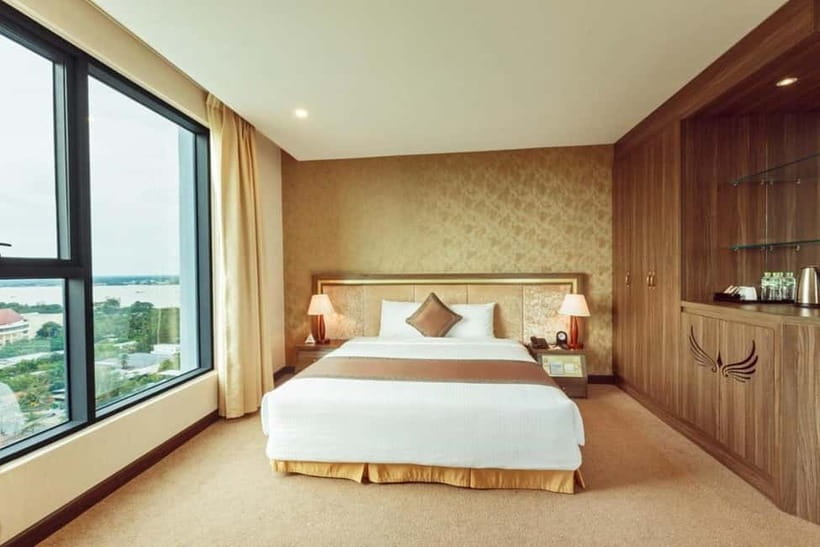
Your day ends with a simple structure: check in, then do dinner on your own. You’re not left completely alone because the guide handles the big picture and you’re starting from a known hotel base.
This free evening is smart. Day 1 is packed, and Can Tho evenings can be a nice reset. You can wander at your own pace, grab something light, or choose a safer, easier meal close by.
One thing to watch: your hotel location depends on your package choice. Some people note that the stay can be a short ride from where things are happening, meaning a quick taxi might be needed to get to the nightlife area. So if you hate relying on taxis after dark, ask about the hotel area when you book.
Day 2: Cai Rang Floating Market and Rice Noodle Making
You start day 2 again around 7:30 AM, and the morning focus is the iconic floating market, one of the largest in Vietnam.
Cai Rang Floating Market: see trade happening in real time
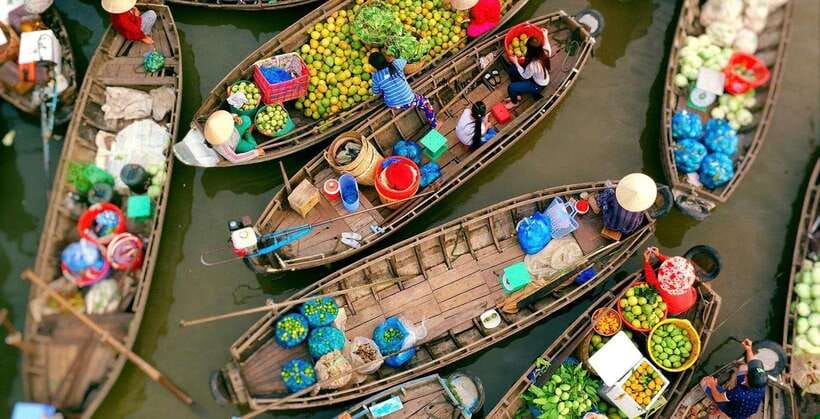
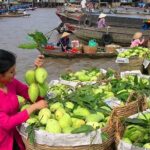
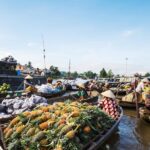
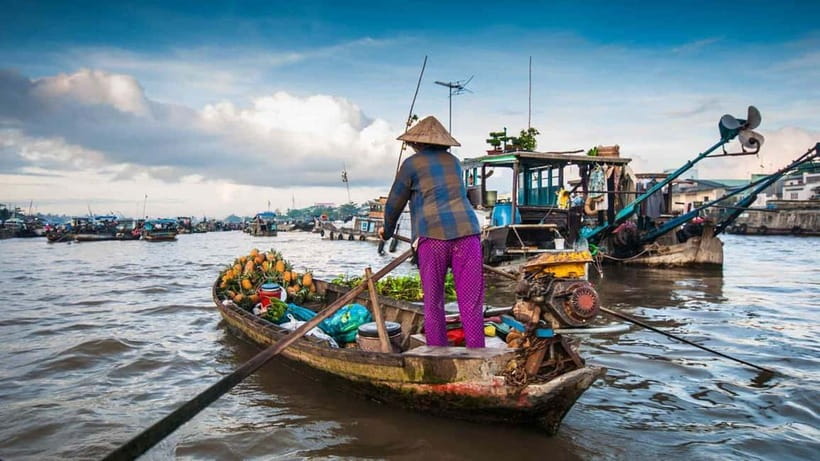
This is the headline experience for a reason. You’re not just looking at boats; you’re seeing how everyday life runs on the water. Vendors sell fresh fruits, vegetables, and local goods directly from their boats, which creates a constant flow of activity.
It’s also a feast for the senses: colors of produce, quick handoffs, and the sense that this is a working place, not a stage set.
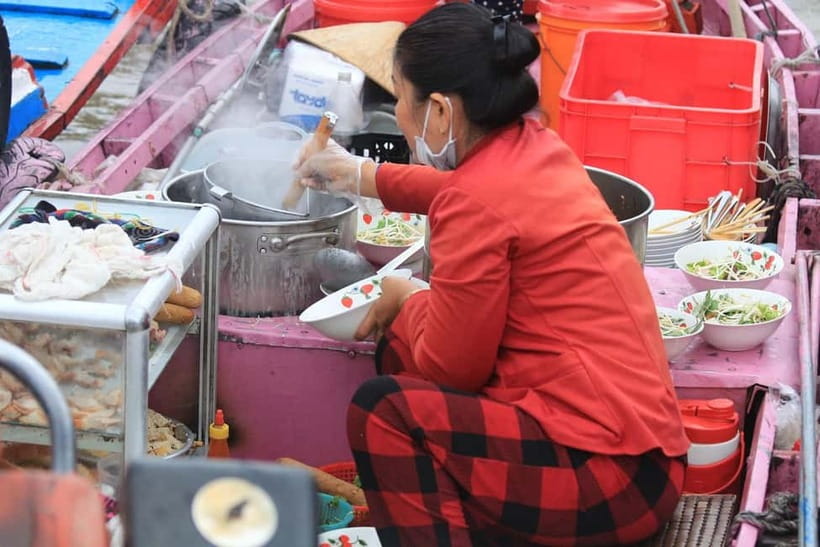
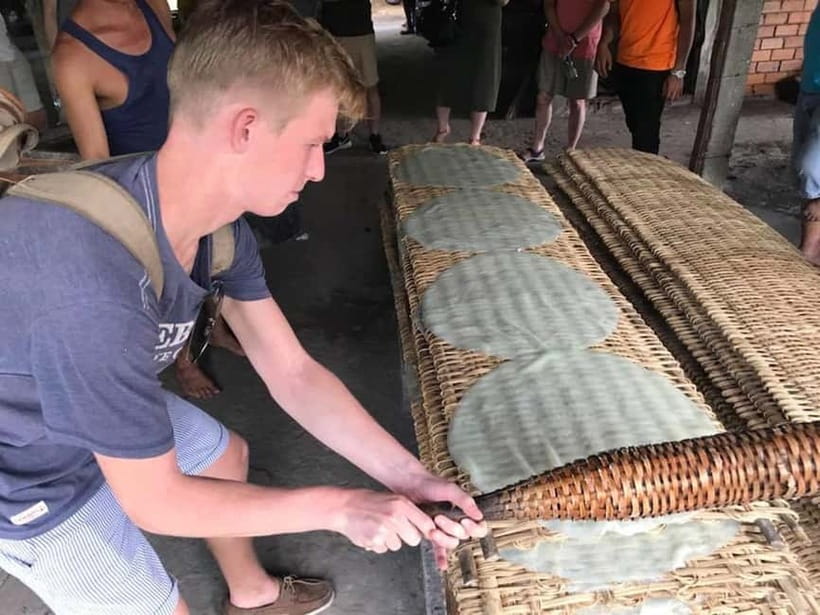
Your guide also shows you how traditional rice noodles are made. That kind of production moment is valuable because it connects the market you see outside to the food you’ll likely eat later. You’ll understand why certain noodles show up in Southern dishes and why wheat-free Southern cooking leans on rice.
A historic house stop: short, not slow
After the floating market, you return to the hotel for check-out. Then you transfer to a historic house stop. The details of which house it is aren’t spelled out in what you’re given, but the point is clear: a quick look at local heritage after the market rush.
If you prefer purely food-and-people experiences, this may feel like a breather rather than a highlight. Still, it gives you variety so the day doesn’t become only boat and cooking.
Hands-On Cooking: Bánh Xèo or Bánh Khọt in Your Own Lunch
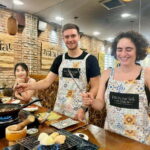
Then comes the part food lovers wait for: a hands-on cooking class to make either Bánh Xèo or Bánh Khọt.
Why this cooking class is better than a “watch and eat” lesson
The big win is that you’re actively involved, not just standing behind someone else’s pan. You’ll learn how Southern Vietnamese pancake styles work—especially the technique side that makes them crisp and flavorful.
- Bánh Xèo is the more classic pan-style pancake experience.
- Bánh Khọt is smaller, often cooked in a way that produces a different bite and texture.
Your lunch includes what you make, so you don’t have to wonder whether the lesson “counts.” It does, because you get to taste your own output right away.
If you’re picky about food: you can still enjoy it
Even if you don’t always love unfamiliar foods, pancakes are a friendly entry point. The class structure also means you’re guided through steps, and you’ll be eating something you’ve participated in—so it feels less risky than ordering blindly.
Cycling Through Village Roads: Local Life at Land Speed
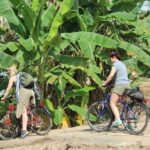
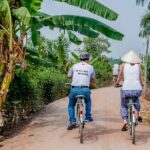
After lunch, around 2:00 PM, you switch gears to biking. You cycle through the village area to experience daily life up close, with time to interact and notice how people live beyond the tourist circuit.
This is a change of pace in a good way. Boats and kitchens are hands-on in their own ways, but cycling gives you a wider view of the area: paths, fences, small storefronts, and roadside routines.
What to consider before you ride
Cycling is also where your physical limits matter most. This tour isn’t recommended for people with back problems and it’s not suitable for wheelchair users. Even if you’re generally active, this is not a “casual stroll” part of the day.
Bring comfortable shoes and keep your hydration in mind. The tour provides bottled drinking water, but it’s still smart to add your own water if you run hot in the sun.
Also, remember that cycling happens after you’ve already been on boats and walking earlier. You’re earning the freedom of movement, not starting the day fresh.
Price and Value: What You’re Really Paying For at $87
At $87 per person, the value here comes from the bundle: transport, guided stops, meals, lodging, and multiple water-based experiences. You’re not just paying for one attraction; you’re paying for a full two-day circuit.
Here’s where the money goes:
- Hotel for one night (package-dependent)
- Meals: two lunches, one breakfast
- Tastings: tropical fruit, honey tea, honey wine, coconut candy
- Food lesson: the cooking class and lunch from what you cook
- Boat time: motorboat plus sampan/rowboat experience
- Admissions and bottled water
- Pickup and drop-off in District 1
What’s not included is mostly personal spending and your own dinner. That part you control. You can keep it simple and eat close to the hotel, or go street-food shopping if you’re comfortable.
Solo travelers: check the single room fee
If you’re traveling alone, there’s a mandatory single room fee. That’s not small, and it can change the real per-person value. If you’re booking as a couple or with a friend, your cost will likely feel better because the room sharing brings the price down.
Holiday surcharges exist
There are also holiday surcharges on specific dates, and the amount varies by hotel star level (3-star, 4-star, 5-star). If you’re traveling around those periods, confirm your total price before you go.
Who This Tour Fits Best (and Who Should Skip It)
This experience tends to work best for people who want:
- a food-forward Mekong Delta route (markets, tastings, and a real cooking class)
- strong variety in two days (pagoda, island, floating market, biking)
- an easy base setup from Ho Chi Minh City with District 1 pickup/drop-off
It may be a poor fit if you:
- have back problems (the tour specifically says it’s not suitable)
- use a wheelchair (not suitable)
- can’t swim (also not suitable)
- want a relaxed pace with lots of free time between stops
Also pack for heat and insects. The tour guidance is straightforward: sun hat, sunscreen, insect repellent, comfortable shoes, water, and camera.
Should You Book This Mekong Delta Floating Market + Cooking + Bike Ride?
If you’re on a first trip to Southern Vietnam and you want the Mekong Delta highlights without building the route yourself, I’d say yes—especially for food lovers and people who enjoy hands-on experiences.
Book it if:
- you want Cai Rang Floating Market plus a second-day food and biking mix
- you like structured activities but still appreciate a self-guided dinner night
- you’re comfortable with early mornings and a full schedule
Think twice if:
- you need slow travel or long downtime
- you’re sensitive to physical activity (walking + boats + cycling)
- you’re not confident with water conditions, since this includes boat rides and the tour notes you must be able to swim
One more practical note from what people emphasize: guides matter here. Names like Stephen, Ry, Robert, Sam, and Phil show up in the tour’s positive feedback for being organized and helpful, and that’s a big deal on a trip this busy. Good guiding makes the difference between “I rushed through it” and “I got it.”
FAQ
What’s included in the tour price?
You get hotel pickup and drop-off within District 1, air-conditioned transportation, an English-speaking guide, 1 night of accommodation, 2 lunches plus 1 breakfast, tastings (tropical fruits, honey tea, honey wine, and coconut candy), a cooking class, motorboat and sampan/rowboat rides, admissions, and bottled drinking water. Personal expenses and your own dinner are not included.
Where does pickup happen in Ho Chi Minh City?
Pickup and drop-off are included within the center of District 1.
Do I get a hotel for one night?
Yes. The tour includes 1-night accommodation as part of the package.
What do I cook during the cooking class?
You’ll do a hands-on cooking class to make either Bánh Xèo or Bánh Khọt, and you eat what you cook for lunch.
Is the floating market included on the second day?
Yes. You’ll take a boat trip to the floating market in the morning on day two.
Is this tour suitable if I can’t swim?
No. It’s listed as not suitable for non-swimmers.
What should I bring for the trip?
Bring comfortable shoes, a sun hat, camera, sunscreen, water, and insect repellent. Smoking is not allowed.