REVIEW · HO CHI MINH CITY
Private Long Tan Tour and Nui Dat Battle Field
Book on Viator →Operated by Bravo Indochina Tours · Bookable on Viator
War memories need more than photos. This private Vietnam War day trip from Ho Chi Minh City pairs you with a historian-guide and hotel-to-hotel private transport, built around Long Tan and Nui Dat. I like that you get context with a human voice, not just plaques. One thing to plan for: it’s an 8-hour day, so there can be a fair bit of time on the road.
What I really liked is the built-in rhythm. You chat over lunch at a local restaurant, then you move on at your own pace, with your itinerary shaped around what you care about. You can also choose the angle of the war you want to focus on—Australian and New Zealand sites around Long Tan and Nui Dat, or United States base areas around Bien Hoa and Long Binh Junction.
The main consideration is expectations about what you’ll physically see. Some stops have less left than you might picture from photos, and the day can feel lopsided if traffic eats up site time. If your goal is heavy sightseeing of intact structures, you may need to manage that up front.
In This Review
- Key Things I’d Focus On
- Long Tan vs Bien Hoa: Choosing the Route That Matches Your Curiosity
- The Real Schedule: An 8-Hour Private Day That Starts at 8:00am
- Lunch With a Historian-Guide: Where the Story Becomes Personal
- Long Tan and Nui Dat Stops: Memorials, Small Remains, and Space to Think
- Bien Hoa Air Base and Long Binh Junction: US Base Sites and the Risk of Too Much Road Time
- Transport, Lunch, and the Small Comfort Details That Add Up
- Who This Private Tour Fits Best (And Who Might Prefer Something Else)
- Price and Value: Is $119 per Person Worth Your Time?
- Tips to Make This Tour Better on the Ground
- Quick Decision: Should You Book This Long Tan and Nui Dat Private Tour?
- FAQ
- How long is the private tour and when does it start?
- What routes can I choose between?
- Is hotel pickup and drop-off included?
- What’s included in the price?
- Is the itinerary flexible?
- Is this tour only for my group?
- What should I do if I have dietary requirements?
- Can I cancel for a full refund?
Key Things I’d Focus On
- Historian-guide + lunch conversation: talk first, then visit, so the sites make more sense
- Two route choices: Long Tan and Nui Dat Task Force Base or Bien Hoa Air Base and Long Binh Junction
- Private pace: only your group, so you can slow down for questions or reflection
- Postwar perspective: you’ll also hear about life and rebuilding after the war
- Memorial meaning matters: this tour is often booked for ANZAC and personal remembrance
Long Tan vs Bien Hoa: Choosing the Route That Matches Your Curiosity
The best part of this tour is you’re not stuck with one “standard” war storyline. You pick between two major options, and that choice changes the whole feel of the day.
If your interests lean Australian and New Zealand, go for the Long Tan and Nui Dat Task Force Base route. This focuses on the areas tied to the Australian and New Zealand Army Corps involvement in the Vietnam War. Long Tan is a name that carries weight for ANZAC Day–type visitors, and the day is set up to treat it that way, not like a quick box-tick.
If you’d rather track the United States footprint, choose Bien Hoa Air Base and Long Binh Junction. This route centers on major US Army bases. It’s a good fit if your Vietnam War interest includes how US forces operated in the region, and how those base areas shaped daily life during the conflict and afterward.
Either way, the driver and guide aren’t just shuttling you between random coordinates. The whole day is framed to connect places to the bigger story of the war—and Vietnam’s postwar recovery—so you’re not left wondering what you just saw.
You can also read our reviews of more private tours in Ho Chi Minh City



The Real Schedule: An 8-Hour Private Day That Starts at 8:00am
This runs for about 8 hours and begins at 8:00am. You’ll get hotel pickup and drop-off in an air-conditioned private car, which is the kind of simple detail that matters in Ho Chi Minh City traffic.
The rhythm is straightforward:
- you start early,
- you do a set of battlefield-linked stops in the chosen area,
- you break for lunch with your historian-guide,
- then you head back to your hotel.
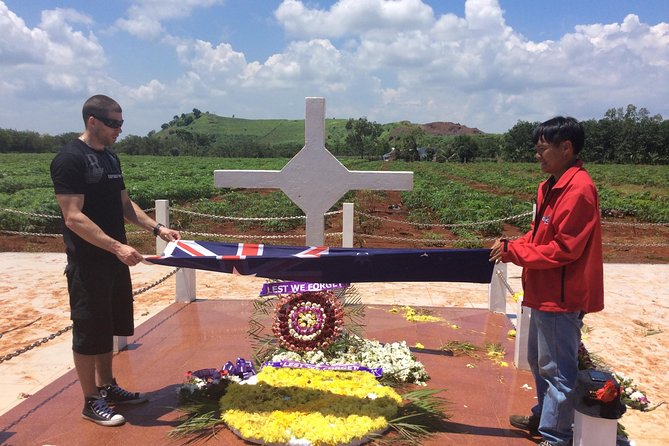
Because it’s a private tour, the pace is flexible. That’s a big deal at war sites. You want time for questions, and you may want a moment of silence. One visitor specifically appreciated the way the guide allowed space for reflection at Long Tan.
Also, the tour is built for people with a moderate physical fitness level. That doesn’t mean you need to be an athlete, but it does suggest you should be comfortable doing some walking on uneven ground and moving between stops.
Lunch With a Historian-Guide: Where the Story Becomes Personal
The lunch break is not just food on the way to the next stop. It’s part of the meaning of the day.
You’ll chat with a historian-guide at a local restaurant, and that conversation does something important: it gives you the mental map before you arrive at the sites. Instead of trying to read signage while thinking three steps behind, you get the background in advance—then you’re able to connect the place you’re standing in to what it meant.
One standout theme from the experience is the guide’s personal connection. In at least one instance, the guide was Tony, described as a veteran who had served with the South Vietnam Army and acted as an interpreter for the Australian Army. That kind of lived perspective can make the day feel less like a lecture and more like a careful walk through memory.
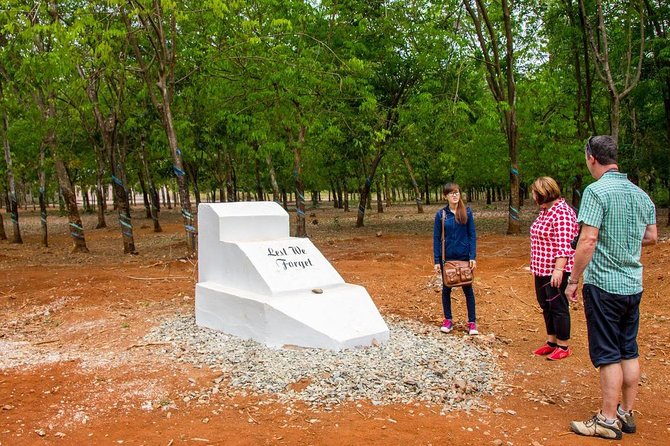
Another detail that many visitors clearly appreciated is respect. At Long Tan, the meaning is emotional for Australians and New Zealanders. A good historian-guide doesn’t rush that moment, and the tour format seems to support that.
Long Tan and Nui Dat Stops: Memorials, Small Remains, and Space to Think
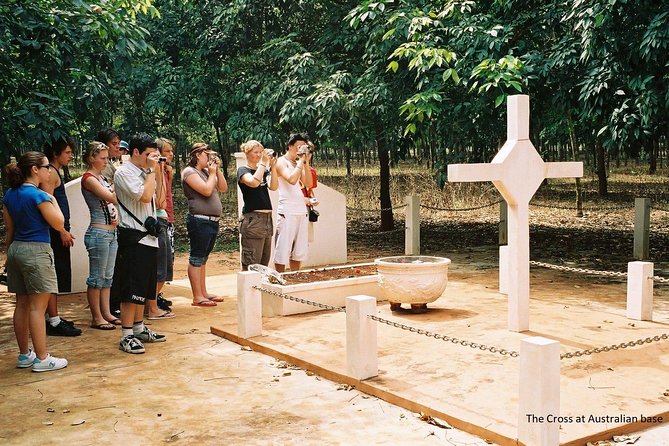
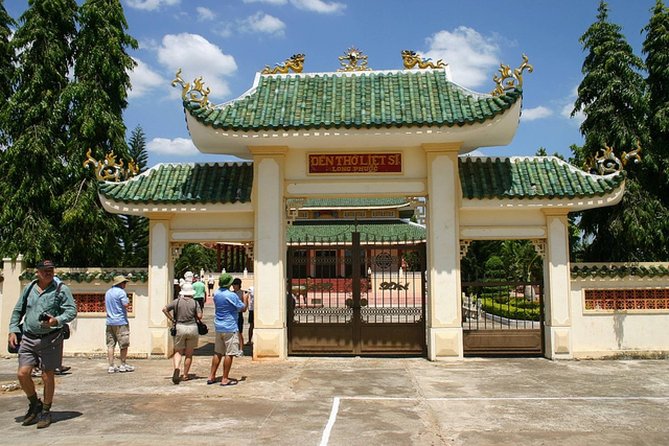
If you choose the Long Tan and Nui Dat Task Force Base route, the day centers on key sites connected to Australia and New Zealand involvement. The Long Tan memorial site is a major focal point, and it’s widely seen as worth the trip for paying respects.
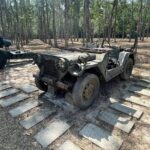
Here’s what’s useful to know before you go: the experience isn’t about big “you can’t miss it” buildings at every stop. Some of the battlefield-linked areas can look decimated, and what’s left may require imagination to picture how it once functioned. If you came hoping for a museum-style display at each location, you might find yourself wanting more context or more time at the memorial itself.
That said, this is exactly where a good guide earns their fee. When the physical pieces are limited, the story has to fill gaps. The historian-guide’s job is to connect what’s visible now to what happened there.
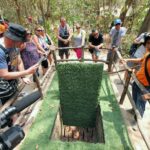
A highlight mentioned by visitors on this route was the Long Phouc Tunnels stop. Even if you only get a small look, it tends to add a different layer: not just the battle outcome, but the underground reality of how people moved, survived, and operated in the area.
One more practical note: some people felt the day was short on site quantity relative to time spent driving, especially if traffic was heavy. So if you can, keep your expectations flexible: a private tour still has to work with real roads.
Bien Hoa Air Base and Long Binh Junction: US Base Sites and the Risk of Too Much Road Time
The US-focused route goes to places tied to major US Army bases: Bien Hoa Air Base and Long Binh Junction.
This option is best if you want that angle—how US forces were positioned and how those base areas link into the broader war story. The guide should help connect the dots between military activity and what life looked like in the region during and after the conflict.
But there’s a possible drawback here, and it’s worth calling out honestly. One visitor felt the day became frustrating because of heavy traffic and repetitive explanations about military district organization. The critique wasn’t that the information was useless—it was that it ate into time that could have been spent at sites.
So here’s my practical advice: during the lunch conversation, tell your guide what you want most. Ask for more time at the specific base areas themselves, not just background lectures. Private tours are flexible, and you’re paying for that flexibility.




Transport, Lunch, and the Small Comfort Details That Add Up
In a tour like this, comfort is not luxury—it’s survival, especially if you’re leaving Ho Chi Minh City early. You get:
- hotel pickup and drop-off,
- transport by air-conditioned private car,
- bottled water,
- lunch.
That last piece—lunch—matters more than it sounds. You’re spending most of a full day on the move, and having a scheduled break reduces the temptation to bolt between stops to grab food. It also keeps the day coherent: conversation at lunch, then site time.
A note on food: dietary requirements should be advised at booking. If you have restrictions, don’t wait. One of the easiest ways to protect your day is to handle that early.
Who This Private Tour Fits Best (And Who Might Prefer Something Else)
This tour is especially suited for:
- veterans and people with Australian or New Zealand ties to Long Tan and Nui Dat,
- US-focused history buffs interested in Bien Hoa and Long Binh Junction,
- travelers who want a guide to connect places to the war’s impact and the postwar recovery story.
If it’s ANZAC Day–season for you, this type of remembrance visit can land differently than a general sightseeing day. One visitor booked for ANZAC Day and got a special early pickup at 2:45am instead of the usual 8:00am start. That’s not something you should assume will happen every time, but it shows how the organization can adapt for important dates.
On the other hand, if your top priority is lots of museum-style artifacts or a very structured overview of every phase of the war, you may end up wanting to add a museum day of your own. A couple of visitors expressed that museums taught them more in the time they had. That doesn’t mean this tour fails—it means you might want to pair it with a different format.
Price and Value: Is $119 per Person Worth Your Time?
At $119 per person, this isn’t a bargain-bin bus tour. You’re paying for a private historian-guide and private transport for about 8 hours, plus lunch and bottled water.
The value makes sense if:
- you care about understanding the significance of what you’re seeing,
- you want the conversation and tailoring that comes with a private format,
- you’re visiting sites that are hard to interpret without help.
The risk is when your day gets swallowed by driving or when the physical remains feel light compared with your mental image. If your chosen route has fewer “wow” structures to photograph, you’ll depend on the guide to make the places meaningful. When that connection clicks, the price feels fair. When it doesn’t, it can feel like you paid for travel time more than for experiences.
Also, because this tour is private, you don’t have the option of blending into a crowd. That cuts both ways. It’s great for focus and quiet. It also means you’ll notice if the day feels overly repetitive or slow.
Tips to Make This Tour Better on the Ground
Here’s how I’d set yourself up for a smoother, more satisfying day.
- Pick the route you can explain to a friend. If you can’t say whether you want the Australian/NZ or US angle, the day might feel random. Choose based on what you personally want answered.
- Ask for specifics at lunch. Mention whether you want more time at memorials, tunnels, or base-linked stops. Private guides can usually adjust the rhythm.
- Bring walking shoes. This is listed as moderate fitness. You’ll want comfort more than fashion.
- Plan for some limits in what’s left. Some sites aren’t preserved like a theme park. That’s normal here, and a guide helps you “read” what remains.
- Tell them about dietary needs when you book. It’s one less stressor on a long day.
Quick Decision: Should You Book This Long Tan and Nui Dat Private Tour?
If you’re visiting Vietnam with a real interest in the Vietnam War—and especially if you care about Australian/NZ or US military-linked sites—this private tour is a strong match. The format is built around the right order: guided story first, then sites, plus lunch and a pace that respects reflection.
I’d book it if:
- you want a historian-guide, not just a driver with a clipboard,
- you’re coming for Long Tan and Nui Dat meaningfully,
- you want to hear about postwar rebuilding from people who experienced it.
I’d think twice or pair it with other activities if:
- you need lots of intact structures and museum-style displays,
- you’re sensitive to slow days caused by traffic,
- you want a very broad timeline of every part of the war in one go.
Bottom line: at its best, this is the kind of day that turns names on a map into something you actually understand.
FAQ
How long is the private tour and when does it start?
The tour runs for about 8 hours and starts at 8:00am.
What routes can I choose between?
You can choose either the Long Tan and Nui Dat Task Force Base option, or the Bien Hoa Air Base and Long Binh Junction option.
Is hotel pickup and drop-off included?
Yes. Hotel pickup and drop-off are included, and transport is by an air-conditioned private vehicle.
What’s included in the price?
The tour includes a professional guide, lunch, bottled water, and transport. It also notes that an admission ticket is included.
Is the itinerary flexible?
Yes. You can tailor the itinerary according to your interests, and you can go at a pace that suits your group since it’s private.
Is this tour only for my group?
Yes. It’s a private tour/activity, and only your group will participate.
What should I do if I have dietary requirements?
You should advise any specific dietary requirements at the time of booking.
Can I cancel for a full refund?
Yes. Free cancellation is available up to 24 hours in advance for a full refund.