REVIEW · HO CHI MINH CITY
Explore Cu Chi Tunnels & Saigon History 1 Day Tour
Book on Viator →Operated by Joy Journeys · Bookable on Viator
Cu Chi Tunnels make Vietnam’s war history feel painfully close. This is a small-group day run by Joy Journeys (max 10 guests), with English-friendly guiding that helps you connect what you see underground to what happened above. I like that you get hands-on moments like exploring the tunnels, seeing booby traps, and even touching an ex-US Army tank.
I also like the structure: you’re not stuck in one place all day. After Cu Chi, you shift into Saigon with lunch (pho or vegetarian) and then major history sights, including the War Remnants Museum and classic city landmarks like Notre-Dame Cathedral and the Central Post Office. The main drawback to consider is that it’s long—about 10 to 11 hours—and the day is weather-dependent.
In This Review
- Key things I’d highlight before you go
- Cu Chi Tunnels: A Crawl That Changes How You See the War
- Booby Traps, a Vietnam-War Tank, and the Details You Can Actually Notice
- The Saigon Reset: Lunch Pho and a Breather in the Middle of the Day
- War Remnants Museum: Why It Belongs on This Route
- Secret Weapons Cellar and the Hidden Bunker: Guerrilla Tactics in Physical Form
- The Saigon Finale: Notre-Dame Cathedral, Central Post Office, and the Last Helicopter
- What You Get for $63: Price, Timing, and Value That Actually Adds Up
- Who This Tour Is Best For (and Who Might Skip It)
- Should You Book This Cu Chi + Saigon History Day?
- FAQ
- What time does the tour start?
- Where do pickups happen in Ho Chi Minh City?
- How many people are in the group?
- What food is included during the day?
- Is entry to the attractions included?
- How long is the tour?
- What happens if the weather is bad?
Key things I’d highlight before you go
- Max 10 guests means you’re less likely to get lost in the crowd.
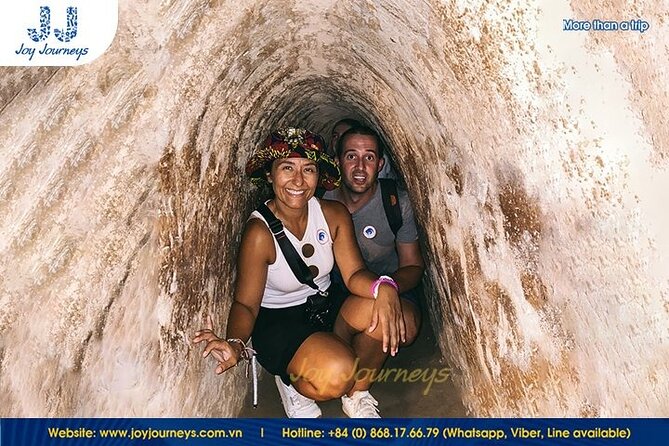
- Cu Chi Tunnels time includes hands-on activities (crawling in the tunnels, seeing booby traps, touching a tank).
- Real meal break with pho (or vegetarian on request) so you’re not fueled only by snacks.
- War Remnants Museum ticket included for a focused look at war atrocities.
- Secret Weapons Cellar + hidden bunker adds guerrilla-tactics context beyond the tunnels.
- Saigon stop list (Notre-Dame Cathedral, Central Post Office, Last Helicopter sculpture) gives you a strong city-history finish.
Cu Chi Tunnels: A Crawl That Changes How You See the War
The day starts with a pickup from District 1, District 3, and District 4, usually about a 30-minute ride to the Cu Chi area. The early start (around 7:30am) matters because you’ll want a calm, rested brain for what comes next. This isn’t just a look-and-leave stop; you’re there to understand why an underground network mattered so much.
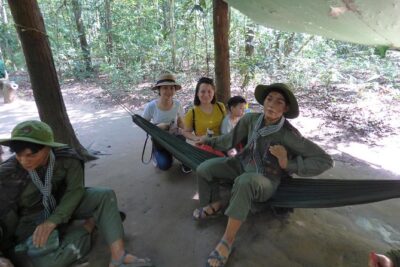
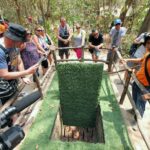
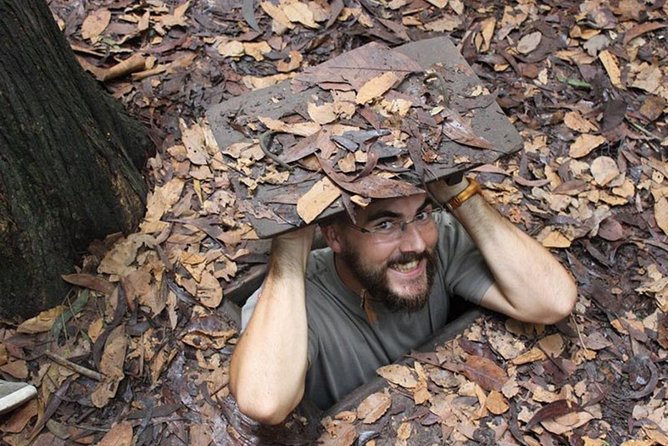
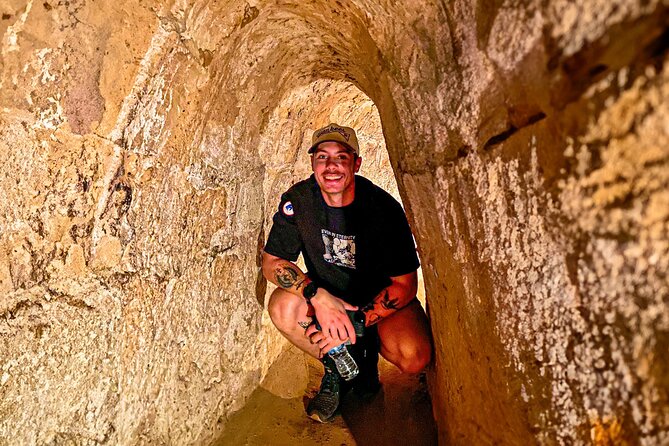
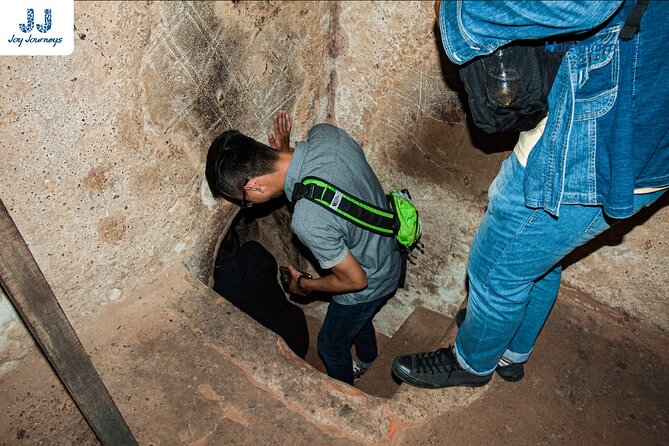
The Cu Chi Tunnels are an extensive system built over several years and used as a critical strategic location. On this tour, that story becomes more tangible because you get to explore the tunnels and crawl inside them. Even if you’re not a “tunnel person,” you’ll see the place as a tool—built for movement, hiding, and survival—rather than as a distant museum piece.
One thing I appreciated is that the tour design doesn’t treat history like scenery. You’re guided through the significance of what you see, and the tunnel experience is tied back to how people actually used the underground space.
You can also read our reviews of more historical tours in Ho Chi Minh City



Booby Traps, a Vietnam-War Tank, and the Details You Can Actually Notice
At Cu Chi, the tour focuses on the practical and the specific. You’ll have time to see booby traps used during the war, which helps you understand the defensive mindset behind the tunnel system. The value here isn’t fear-mongering—it’s context. You’re learning how danger and detection shaped how people moved.
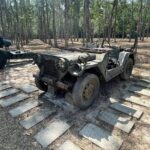
Another memorable moment is that you can explore with the chance to touch an ex-US Army tank from the Vietnam War. It’s a simple action, but it’s effective. It turns an abstract war timeline into something physically present. And when you pair that with what you learned underground, the contrasts start making sense: tanks and open ground up top, concealment and protective tactics below.
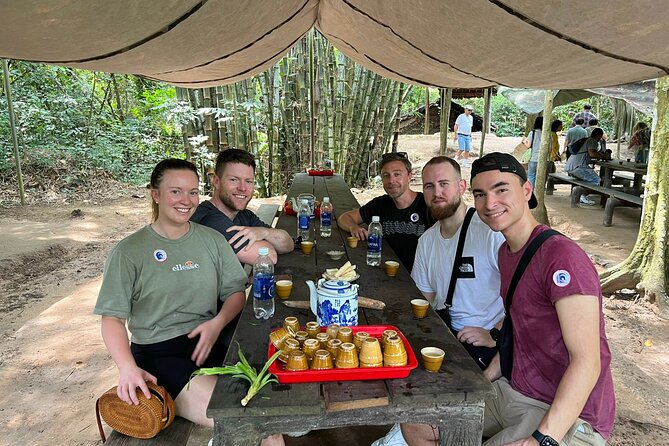
Food also gets folded in where it fits. You’ll taste locally grown Viet Cong food, including tapioca, near the tunnels. That kind of stop can feel small on paper, but it helps the story feel less like a list of events and more like daily life shaped by war.
The Saigon Reset: Lunch Pho and a Breather in the Middle of the Day
After the Cu Chi portion, you head back toward Ho Chi Minh City for lunch. This break is one of the smarter parts of the day plan because you’re not trying to process intense history on an empty stomach for the rest of the itinerary.
You’ll eat at a local restaurant with pho (Vietnamese beef or chicken noodles soup). A vegetarian lunch is also served if you request it in advance. Along with the included snacks earlier, this kind of meal timing is the difference between a history day that feels manageable and one that starts to drag.
If you like traveling with a plan, this is where you get it. You’re given a clear rhythm: underground history first, then city history and museums. That pacing keeps the whole day from feeling like random stops stitched together.
War Remnants Museum: Why It Belongs on This Route
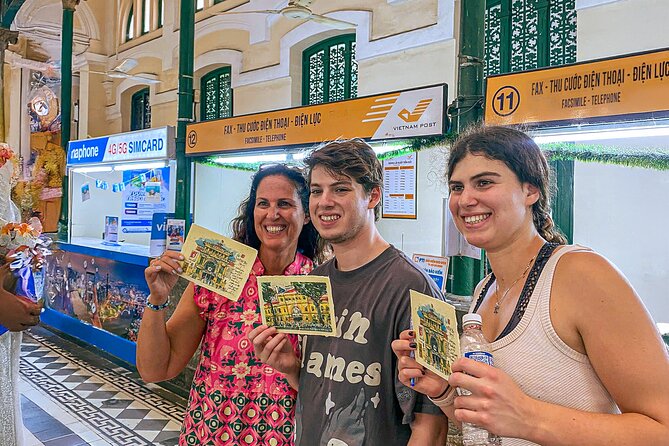
Once you’re back in the city, the War Remnants Museum is your next big anchor. The museum is dedicated to documenting the atrocities of the Vietnam War, and it was formerly known as the Museum of American War Crimes. Even if you’ve read about the conflict before, this stop gives you a way to see the subject through a museum lens rather than through just stories and maps.
On a tour like this, the museum also works as a connecting bridge. Cu Chi shows you guerrilla-era tactics and survival inside the underground system. The War Remnants Museum shifts the emphasis toward documented consequences and the human cost. That contrast is why the tour feels coherent instead of repetitive.
You get about one hour here, which is enough to leave with a better grasp of what the museum is trying to communicate—without burning out before the final sightseeing stretch.
Secret Weapons Cellar and the Hidden Bunker: Guerrilla Tactics in Physical Form
After the museum, the tour moves to the Secret Weapons Cellar and then continues toward a hidden bunker visit. The Secret Weapons Cellar was originally built by the Viet Cong during the Vietnam War, and it functioned as a base for guerrilla warfare and a way to transport supplies and weapons undetected by American and South Vietnamese forces.
What I like about this segment is that it doesn’t ask you to guess. The tour connects the tunnel system to what it helped people do in practice: hide, move, store, and operate without being found. That’s the kind of explanation that turns “I saw underground tunnels” into “I understand why they were built this way.”
Then the hidden bunker visit adds another layer of the same theme. You’re getting a look at how the guerrilla side used concealed spaces to manage risk. If you’re the kind of traveler who likes to understand tactics and logistics—rather than only dates and names—this portion is a strong payoff.
You can also read our reviews of more tours and experiences in Ho Chi Minh City






The Saigon Finale: Notre-Dame Cathedral, Central Post Office, and the Last Helicopter

With history already on your brain, the tour pivots to recognizable city sights for a lighter-feeling finish. You’ll stop at Saigon Notre-Dame Cathedral Basilica of Saigon, also known as Notre-Dame Cathedral, built in the late 19th century. It’s in the heart of Ho Chi Minh City, so even with a short visit, you can get a sense of how the city’s colonial-era architecture still defines parts of the streetscape.
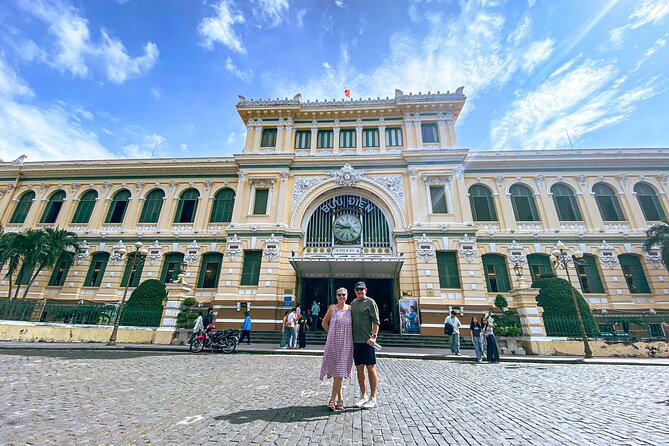
Next up is the Central Post Office (also called the Saigon Central Post Office), built in the late 19th century during the French colonial period. These kinds of landmarks are brief by design, but they help you rebalance your day. After heavy war content, it’s nice to see something that feels like civic life and street-level history.
Then there’s the Last Helicopter sculpture, which commemorates the end of the Vietnam War. The piece depicts a Huey helicopter as it takes off. It’s a small final touch, but it sticks because it’s a public memorial—something you can picture yourself walking past in the city even after the tour ends.
What You Get for $63: Price, Timing, and Value That Actually Adds Up
At $63.00 per person for a 10–11 hour day, the value mainly comes from what’s included. You get an air-conditioned vehicle, pickup service, admission ticket coverage for key stops, bottled water (two bottles per guest), and snacks. Lunch is included too—pho or vegetarian on request.
The other value is the format: a maximum of 10 travelers. On a day packed with museums and underground sites, a large group can turn your attention into a moving line. A smaller group makes it more likely you’ll hear explanations clearly and not feel rushed between spots.
Is it a bargain? It’s fairly priced for what you’re doing. You’re paying for transportation, guided context, and entry to multiple history sites—not just a transfer. If you want a one-day way to see both Cu Chi and core Saigon landmarks without planning every ticket and route yourself, this price feels reasonable.
One timing note: the tour says it requires good weather. If conditions are poor, you might get offered a different date or a full refund, so don’t plan anything too tight right before or right after.
Who This Tour Is Best For (and Who Might Skip It)
This tour fits best if you want a structured day that ties together war tactics, underground life, and Saigon’s city-history landmarks. The mix of Cu Chi tunnels, booby traps, the tank touch opportunity, the tapioca tasting, museum time, and hidden bunker/Cellar stops gives you a full storyline instead of disconnected stops.
It’s also a good fit if you like small-group touring. With max 10 guests, you’ll likely feel more like you’re with a group that can keep up rather than a pack of people moving at once.
Who might hesitate? If you dislike long days or prefer lighter, more relaxed sightseeing pacing, the 10–11 hour schedule may feel like too much. Also, because part of it involves crawling in tunnels, you’ll want to be comfortable with that physical aspect.
Should You Book This Cu Chi + Saigon History Day?
If you want one day that combines Cu Chi Tunnels with major Saigon history stops, I’d say it’s worth booking. The included lunch, bottled water, and snacks make it easier to handle a long schedule, and the small-group limit keeps the experience from turning into a rush.
I’d book it especially if you care about context—tactics, underground strategy, and how war consequences are presented in the museum—rather than only snapping photos. Just go in knowing it’s a full day and weather matters, and you’ll be set for a memorable, hands-on history route.
FAQ
What time does the tour start?
The tour starts at 7:30am.
Where do pickups happen in Ho Chi Minh City?
Pickup is offered from District 1, District 3, and District 4.
How many people are in the group?
The tour has a maximum of 10 travelers.
What food is included during the day?
Lunch includes pho (beef or chicken), or vegetarian lunch if requested in advance. Bottled water (two bottles per guest) and snacks are also included.
Is entry to the attractions included?
Yes. The included admission covers the Cu Chi Tunnels, the War Remnants Museum, and other stops such as the Secret Weapons Cellar, as listed in the itinerary.
How long is the tour?
It runs about 10 to 11 hours.
What happens if the weather is bad?
The tour requires good weather. If it’s canceled due to poor weather, you’ll be offered a different date or a full refund.