REVIEW · HO CHI MINH CITY
From Ho Chi Minh: 2D Mekong, Floating Market-authentic trip
Book on Viator →Operated by Fabulous Mekong Eco Tours · Bookable on Viator
Early boats make the Mekong feel real. I love the sunrise Cai Rang timing, and I like how the day keeps you with real local food makers in rice noodles, cacao, and Son Islet. The only drawback is you’ll be up early and bouncing by boat and car, which can feel like a lot if you hate rushed days.
With a maximum group size of 15 and pickup options, I found the pace gentler than the big-day bus tours, even during the nature hours at Lung Ngoc Hoang Nature Reserve. After you reach Can Tho for one night, you get a breather to wander at night before the next morning’s river breakfast.
- Sunrise Cai Rang + breakfast on the water: You get the market when it’s freshest and most active.
- Lung Ngoc Hoang Nature Reserve: A real eco stop with boat time and birdwatching.
- Phong Điền rice noodle house: Colorful noodles made by hand, plus a chance to try.
- Cacao farm with cacao milk: You’ll see how cocoa turns into chocolate-style treats.
- Son Islet community time: Fruit picking (seasonal), fish ponds, and traditional cake making.
- Small group vibe: Max 15 travelers, guided and relaxed rather than crowded.
In This Review
- Mekong Delta in Two Days: Worth Getting Up Early
- Getting From Ho Chi Minh City to Can Tho Without Stress
- Day 1 in Can Tho: Lung Ngoc Hoang and the Wetland Side of the Delta
- Can Tho Evening: Use the Night to Reset
- Sunrise at Ninh Kieu Wharf: Cai Rang Before the Crowds
- Phong Điền Rice Noodles: Colorful, Practical, Hand-Made
- Small Canals on Rạch Trường Tiên: Slow Boat, Fruit Trees, Quiet Nature
- Village Walk in Phong Điền: Seeing Daily Life Up Close
- Muối Cương Cocoa Farm: From Cocoa to Cacao Milk
- Son Islet in Bình Thủy: Fruit Picking, Cake Making, and Fish Ponds
- Price and What You’re Really Paying For ($218.50)
- Who This Trip Fits Best (and Who Should Skip It)
- Should You Book This Mekong Eco Trip?
- FAQ
- How long is the 2D Mekong Floating Market authentic trip?
- What is the meeting/start time in Ho Chi Minh City?
- How do you get from Ho Chi Minh City to Can Tho?
- Where does the tour include an overnight stay?
- What meals are included?
- Is vegetarian food available?
- What are the main Day 2 activities?
- What is the maximum group size?
- Are any admission fees included?
- What is not included in the price?
Mekong Delta in Two Days: Worth Getting Up Early
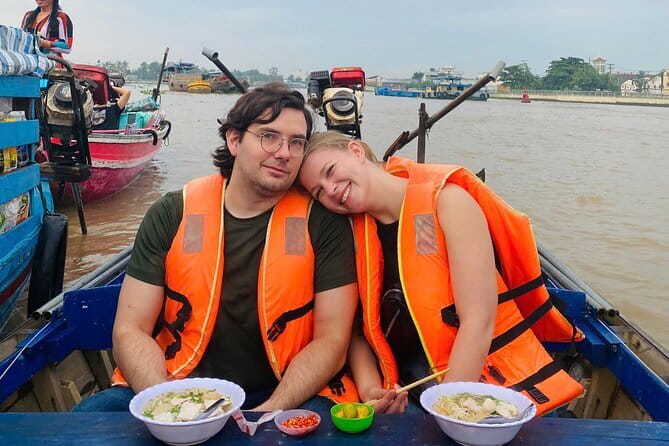
This is the kind of Mekong trip where the calendar matters. You start early on Day 2 so you can see Cai Rang Floating Market while the river still feels calm and new. Later, the pace slows down on boats through wetlands, in village lanes, and at family-run food stops—so it’s not just sightseeing from one dock to the next.
What really worked for me is that the experience centers on work that locals actually do. Rice noodles, cacao processing, and community food—these aren’t “look and leave” moments. They’re active, practical, and tied to how people earn a living along the water.
One thing to keep in mind: you’ll spend real time in transit. Boats plus cars plus walking add up over two days, so pack like you mean it (comfortable shoes, water, and a light layer for early mornings).
Getting From Ho Chi Minh City to Can Tho Without Stress
You begin with a 9:00 AM start in Ho Chi Minh City. If you choose the private car option, the driver comes to your hotel; otherwise you head to the bus station and both staff and bus staff help you along. Either way, the goal is simple: get you to Can Tho with less friction, so you can focus on the river days ahead.
The ride is about 3 hours to reach Can Tho. That matters because you’re not losing the entire first day to travel. You arrive around midday, have time to settle, and then start your Mekong experience with nature.
Practical note: arrive with some patience. Vietnam intercity travel is usually smooth, but it’s still travel—so keep your essentials in one bag you can grab quickly (water bottle, sunglasses, sunscreen, and a snack if you’re the kind of person who gets hungry between meals).
You can also read our reviews of more shopping tours in Ho Chi Minh City
Day 1 in Can Tho: Lung Ngoc Hoang and the Wetland Side of the Delta
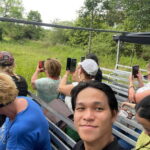
After you reach Can Tho, you jump into the eco part of the program: Lung Ngoc Hoang Nature Reserve. This is where the trip starts feeling less like a checklist and more like a slow walk through the local ecosystem.
The reserve includes a mix of:
- Boat exploration through wetlands
- Birdwatching in natural habitat
- Walking through dense forest areas
- A relaxing boat ride that gives you time to listen, not just look
- A look at rice fields, especially impressive if you’re traveling near harvest season
What makes Lung Ngoc Hoang special is that it’s not only about animals you might spot—it’s about the sounds and rhythms of the place. You’ll hear birds, you’ll notice how the water and plants shape daily life, and you get that quiet “why people love this area” feeling.
The only possible downside: because it’s active and outdoors, Day 1 can be affected by weather. The tour notes that the experience requires good weather, and you should plan for the idea that riverside conditions matter.
Can Tho Evening: Use the Night to Reset
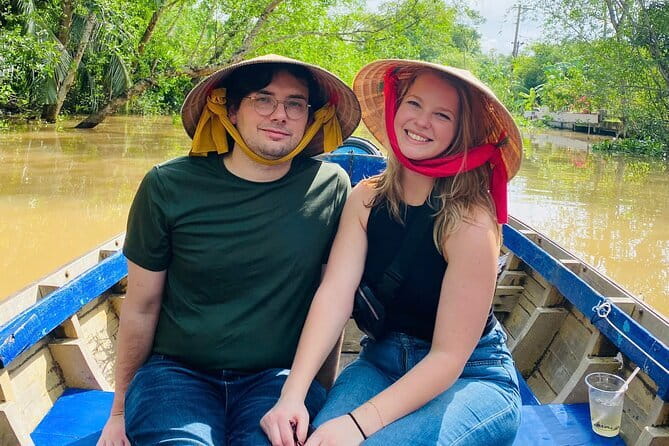
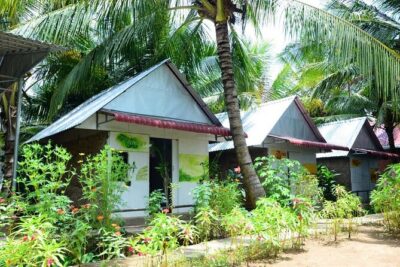
Once the Day 1 activities wrap, you’re back in Can Tho city and check in for the night (hotel or homestay). The schedule gives you free evening time to explore Can Tho nightlife at your own pace, with recommendations sent by a local expert.
That free time is underrated. The sunrise start on Day 2 needs a reason. If you sleep poorly, the river morning won’t feel as magical. If you use the evening well—grab dinner, do a relaxed stroll, and go to bed on time—you’ll thank yourself at dawn.
If you’re the kind of traveler who gets overwhelmed by options, keep it simple: eat near where you’re staying, stay flexible, and don’t overbook that first night.
Sunrise at Ninh Kieu Wharf: Cai Rang Before the Crowds
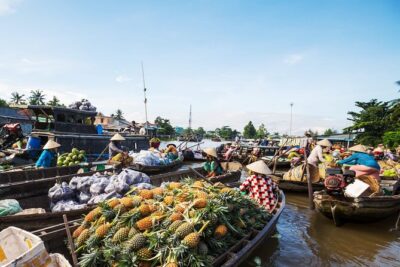
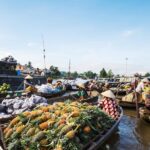
Day 2 begins early, with a pick-up and a boat ride starting from Ninh Kieu Wharf as the sun rises. The main payoff here is timing. Cai Rang looks different at sunrise than later in the morning: the market activity is already flowing, the river is calmer, and the whole scene feels more real.
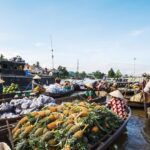
You arrive at Cai Rang Floating Market, described as Vietnam’s largest floating market. You’ll see produce and goods coming straight from the boats, and you’ll learn how trading on water works as a system, not a random spectacle.
Two small moments make a big difference:
- The pineapple boat stop, where you taste fresh fruit and chat with vendors.
- Breakfast on the boat, a river-based meal that turns the market into something you’re part of, not just watching.
If you want the best experience, aim for curiosity over perfection. Take photos if you want, but also watch the routine—boat positioning, vendor calls, and how people move between food and trade.
Phong Điền Rice Noodles: Colorful, Practical, Hand-Made
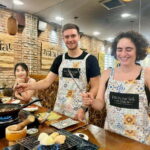
After Cai Rang, the trip shifts from market energy to hands-on food craft in Phong Điền. This is where you visit a family-owned rice noodle house making colorful noodles by hand.
You don’t just look. You get a chance to try making noodles yourself and learn how techniques are passed down through generations. That “old ways meet real skill” feel is one of the best parts of this tour.
Why it matters: food-making here isn’t an art project for tourists. It’s production, with rhythm and standards. You’ll probably notice how even small steps—mixing, shaping, timing—change the outcome.
This stop also supports the local cooking traditions you’re learning about. It’s a better use of time than a generic souvenir shop because you leave with knowledge, not just stuff.
You can also read our reviews of more tours and experiences in Ho Chi Minh City

Small Canals on Rạch Trường Tiên: Slow Boat, Fruit Trees, Quiet Nature
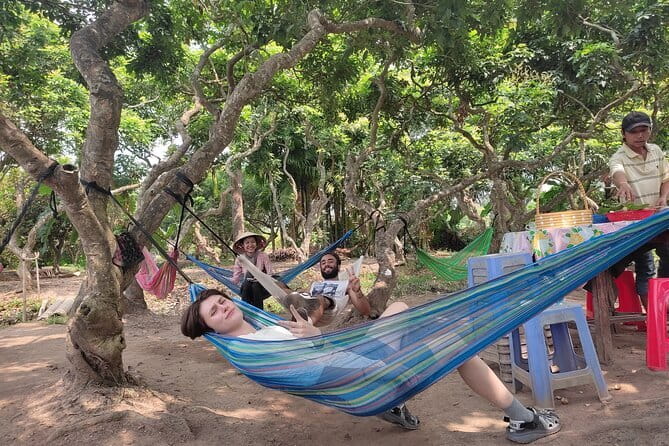
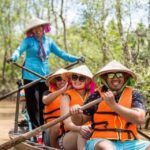
Next comes the calmer stretch: a boat trip through small canals at Rạch Trường Tiên. You move with a local expert, seeing water palms, coconut trees, and fruit orchards along the water.
This part is about pace control. Markets can make your brain spin; canals give it a reset. You’re listening for birds and water sounds, watching everyday life, and spotting local fruits along the way.
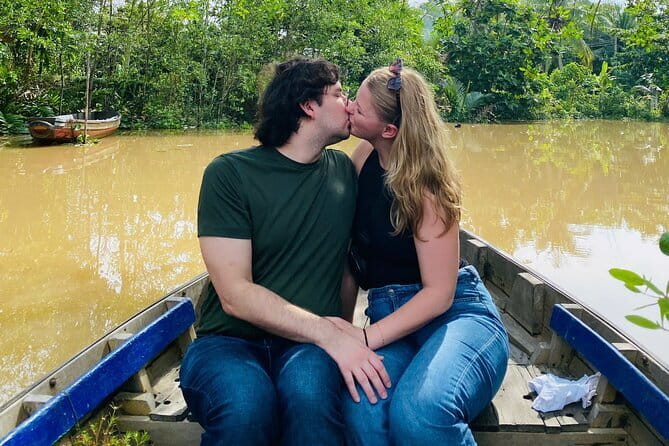
It’s also a chance to take photos without feeling like you’re in the middle of a crowd. Just bring a good attitude: this is not a “big view” stop the entire time. It’s more about details—trees, water edges, and the feel of the canal system.
Village Walk in Phong Điền: Seeing Daily Life Up Close
Then you step onto land for a short village walk in Phong Điền. You’ll see daily life and traditional homes, and you’ll have friendly interactions as the group strolls through.
This is a short stop, so keep your expectations realistic. You’re not living here; you’re passing through. Still, the human contact makes the Mekong feel less like a theme and more like a place with routine.
If you want to be a good guest, keep it respectful and simple: smile, ask questions through your guide, and don’t block paths while taking pictures.
Muối Cương Cocoa Farm: From Cocoa to Cacao Milk
One of the most praised parts of the trip is the Muoi Cuong Cocoa Farm stop. You walk to the plantation and learn about the cocoa growing process and how cocoa turns into chocolate-style products using methods passed down through generations.
The best “I remember this” detail is the cacao milk refreshment. It’s a direct taste of what they’re working with, not a vague explanation.
If chocolate is your thing, this is the stop you’ll care about most. If you’re not a huge sweets person, it’s still valuable because you’ll understand how the farm fits into local life and how agriculture connects to food culture.
Son Islet in Bình Thủy: Fruit Picking, Cake Making, and Fish Ponds
By the time you reach Son Islet (via a short boat ride from Bến Phà Cô Bắc), the trip has built toward this community time. This is where the Mekong Delta feels like a living neighborhood rather than a set of attractions.
On Son Islet, you spend around 3 hours with activities like:
- Tropical fruit orchards (seasonal), including picking fruit right in the garden and eating it there (organic)
- Making traditional cakes with local chefs
- Walking around the island and seeing fish ponds made by local people
- Exploring a fish farm and looking toward the Hau River scenery
The reason Son Islet lands well is that you’re doing “small, local” things that actually take time: cake dough, fruit tasting, and pond walking. That makes it feel grounded.
It’s also a highlight where guidance matters. In my experience reading about how this tour runs, guides like Thi are often described as caring, funny, and relaxed—exactly the kind of person who can keep the group calm while you’re doing hands-on activities. Another guide, Edward, comes up for his explanations about local products, plants, and fruits. Both styles help you connect the dots without making it feel like a lecture.
Price and What You’re Really Paying For ($218.50)
At $218.50 per person for a roughly 2-day trip, this isn’t the cheapest way to see the Mekong. But it also isn’t “pay for a bus and hope you like boats” pricing.
You’re paying for:
- In-person guide
- Boat and car transport
- 1 night in Can Tho
- Two lunches plus breakfast (including breakfast on the boat)
- Landing and facility fees
- A tight loop of food craft, eco nature, and community time
What you should budget for separately: personal expenses, compulsory insurance, and gratuities.
My value take: the tour justifies its price when you care about three things—food learning, nature that isn’t just a photo stop, and local community experiences. If you only want floating market photos, you might feel it’s more than you need. If you want to understand how people live and work along the Delta, it’s one of the better ways to spend two days.
Also note: a free vegetarian meal is available, which makes planning easier if you eat vegetarian.
Who This Trip Fits Best (and Who Should Skip It)
This works best for you if:
- You like small-group touring (max 15)
- You enjoy early mornings for better river scenes
- You want food experiences that are hands-on: rice noodles and cacao
- You’re okay with a mix of boat rides and short walks
You might want to think twice if:
- You hate being out early every day
- You’re looking for a totally relaxed pace with minimal movement
- You’re sensitive to long stretches in transit between stops
For most people, the schedule is active but not chaotic. It’s guided, paced, and structured enough to feel safe while still letting you feel the Delta up close.
Should You Book This Mekong Eco Trip?
I’d book it if you want a Mekong Delta experience that’s practical and local—sunrise Cai Rang, an eco nature reserve with birdwatching, and then a day that connects food (noodles and cacao) to community life (Son Islet fruit, cakes, and fish ponds).
Here’s the quick decision rule: if your ideal trip includes learning how locals make and manage everyday food and products, you’ll get your money’s worth. If you want only Instagram-style river scenes, consider a shorter floating market-focused option instead.
If weather looks tricky, keep the flexibility in mind since the tour requires good conditions. Otherwise, pack comfortable shoes, plan for an early start, and bring curiosity. This tour rewards both.
FAQ
How long is the 2D Mekong Floating Market authentic trip?
It runs for about 2 days.
What is the meeting/start time in Ho Chi Minh City?
The start time is 9:00 am in Ho Chi Minh City.
How do you get from Ho Chi Minh City to Can Tho?
The tour uses transportation from the bus station in Ho Chi Minh City, and staff assist you. A private car option is also available and can pick up at your hotel.
Where does the tour include an overnight stay?
You stay 1 night in Can Tho (hotel or homestay).
What meals are included?
Breakfast is included, and there are two lunches included. The program also includes breakfast on the boat during the floating market segment.
Is vegetarian food available?
Yes, a free vegetarian meal is available.
What are the main Day 2 activities?
The Day 2 highlights include a sunrise boat trip from Ninh Kieu Wharf, Cai Rang Floating Market, visiting a rice noodle house in Phong Điền, a canal trip in Rạch Trường Tiên, a cacao farm, and time on Son Islet including fruit orchards, cake making, and fish farm viewing.
What is the maximum group size?
The tour has a maximum of 15 travelers.
Are any admission fees included?
Landing and facility fees are included, and the stop details provided list admissions as free at the various locations.
What is not included in the price?
Personal expenses, compulsory insurance, and gratuities are not included.