REVIEW · HO CHI MINH CITY
From Ho Chi Minh: 3-Day Mekong Tra Su Forest exit Phnom Penh
Book on GetYourGuide →Operated by Dragon Sea Travel & Du Lịch Rồng Biển · Bookable on GetYourGuide
One sentence can sum this trip up: you ride the Mekong in full variety. You start near Ho Chi Minh and move through My Tho, Ben Tre, Can Tho, and Chau Doc, then finish with a smooth fast-boat exit into Phnom Penh. It’s a smart mix of temples, floating markets, and real rural waterways.
What I like most is the time you spend on water using different boat styles, from a traditional hand-rowing ride through coconut canals to motorboats in Tra Su. I also love the cultural hits that feel practical, not showy: Vinh Trang Pagoda and a hands-on day on Unicorn Island with folk music plus a cooking class.
One thing to keep in mind: the trip can involve early starts and some long travel days, and lodging details may vary. One past guest flagged an overnight room that had no window and felt not worth the price, so if that matters to you, ask about room specifics in advance.
In This Review
- Key highlights you’ll actually feel
- Three days of Mekong waterways, ending in Phnom Penh
- From Ho Chi Minh to My Tho: Vinh Trang Pagoda and coconut canals
- Ben Tre and Unicorn Island: coconut candy, folk music, bees, and cooking
- Cai Rang Floating Market at sunrise in Can Tho
- Tra Su Cajuput Forest by motorboat: birds and quiet water
- Chau Doc to Phnom Penh: border crossing and the fast boat exit
- Price and what you truly get for $276
- Guides like Emma, Ry, and Lanc can make or break it
- Who this tour suits best (and who should skip it)
- Should you book this Mekong Delta to Phnom Penh exit tour?
- FAQ
- What is the duration and route of this tour?
- When do you start on Day 1, and where is pickup?
- What meals are included in the price?
- Do you visit Vinh Trang Pagoda?
- Is Cai Rang Floating Market included, and is it at sunrise?
- What happens at Tra Su Cajuput Forest?
- Are there boat trips on the Mekong Delta during this tour?
- What’s included for the Tra Su Forest visit?
- Is the Cambodia visa fee included?
- What should I bring, and what’s not allowed during the trip?
Key highlights you’ll actually feel
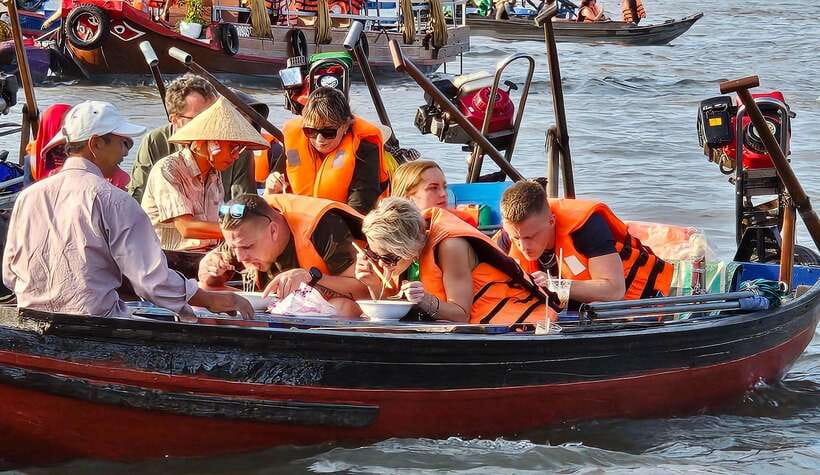
- Cai Rang Floating Market at sunrise with traders selling directly from their boats
- Vinh Trang Pagoda as a major Mekong landmark you’ll visit early enough to feel unhurried
- Tra Su Cajuput Forest by motorboat through quiet waterways with lots of birds around
- Ben Tre coconut candy and folk culture on an island stop that goes beyond photos
- Unicorn Island bike time and cooking class that turns sightseeing into skills and stories
- Chau Doc to Phnom Penh by fast boat after a coordinated border crossing
Three days of Mekong waterways, ending in Phnom Penh
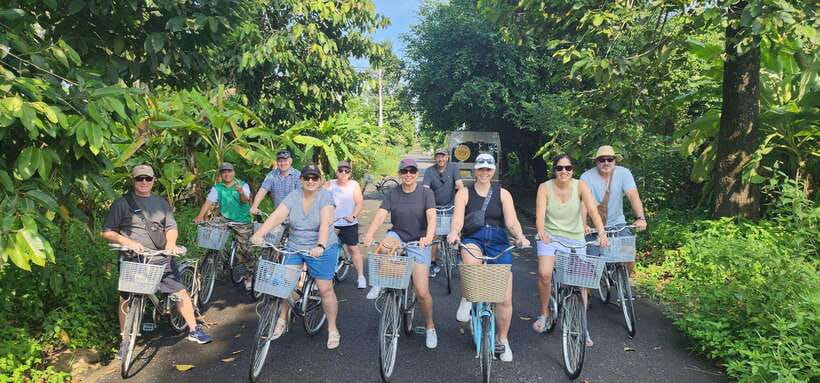
This is a Mekong Delta exit tour, not a stay-and-lounge sightseeing loop. You’re moving day to day, and the payoff is that you see multiple river worlds without having to arrange everything yourself.
Day 1 centers on iconic Mekong religious life and classic Delta scenery: Vinh Trang Pagoda, then a cruise and canal time near My Tho. Day 2 shifts to market rhythm at dawn (Cai Rang) and then trades crowd energy for the quiet of Tra Su’s forest waterways. Day 3 is your exit: breakfast, border procedures, and a fast boat landing in Phnom Penh around 1:30 PM.
You’re also traveling in a small group limited to 14, which matters here. When you’re on and off boats, small groups keep things from feeling chaotic.
You can also read our reviews of more tours and experiences in Ho Chi Minh City
From Ho Chi Minh to My Tho: Vinh Trang Pagoda and coconut canals
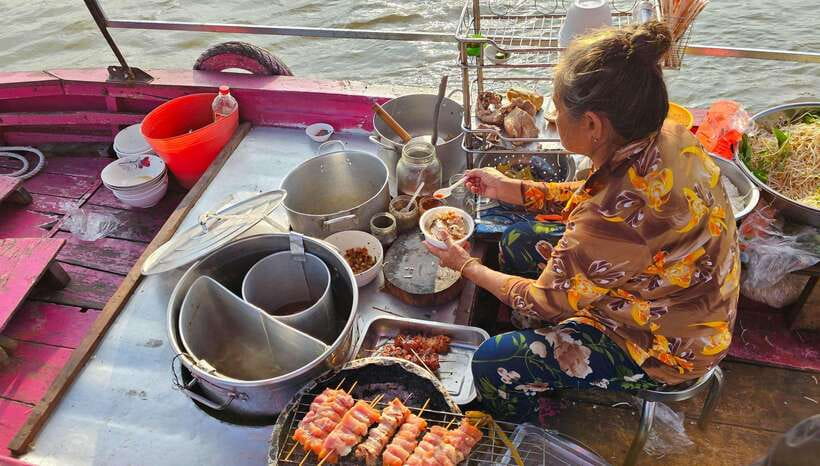
Your day begins with a pickup around 7:30 AM from 243 De Tham Street (or your hotel in central District 1). Then you head out by air-conditioned bus toward My Tho, watching countryside roll by—rice paddies and flat waterways are a big part of how you start to understand the Delta.
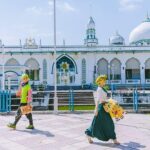
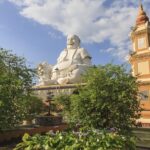
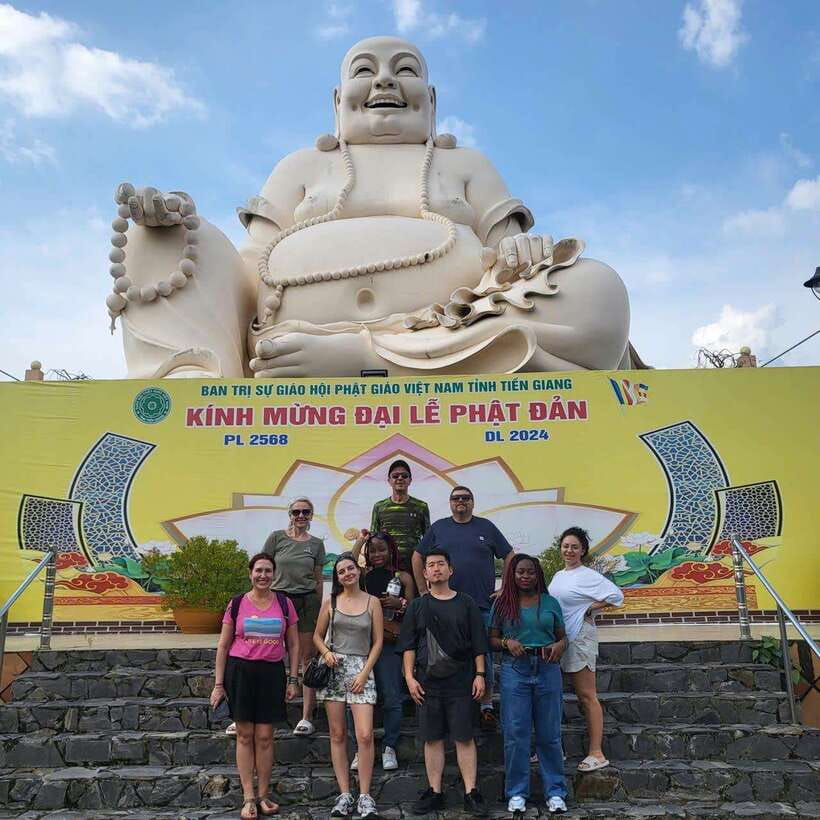
The first major stop is Vinh Trang Pagoda, known as one of the Mekong Delta’s biggest and most iconic Buddhist temples. This is a good anchor point for the trip because it sets context for why people build temples near water routes. Even if you’re not a “temple person,” it’s hard to miss the scale and the presence.
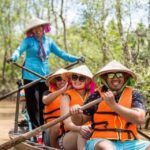
After that, you cruise the Mekong past floating houses and fish farms. You don’t just look at water—you see how daily life uses it as a highway. Then comes the part many people remember longest: switching to a traditional hand-rowing boat and gliding through narrow canals lined with coconut trees. It’s slower, quieter, and it gives you that close-up look at river life you won’t get from a big motorboat.
Practical note: the canal segment includes boat time plus some moving around. Comfortable shoes help, and you’ll appreciate sunscreen here because you’re out in open air.
Ben Tre and Unicorn Island: coconut candy, folk music, bees, and cooking
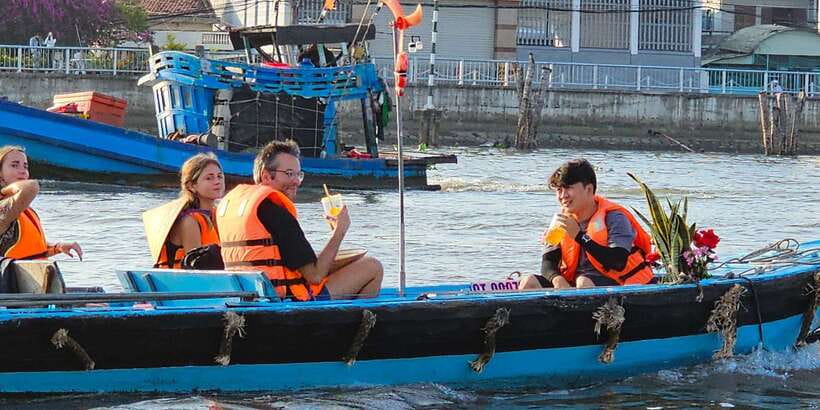
By the time you reach Ben Tre, the focus turns from big landmarks to hands-on Delta culture. You stop on a coconut island where you can see (and taste) how coconut candy is made. This is one of those activities that’s simple but satisfying: you walk through the process, then sample fresh results.
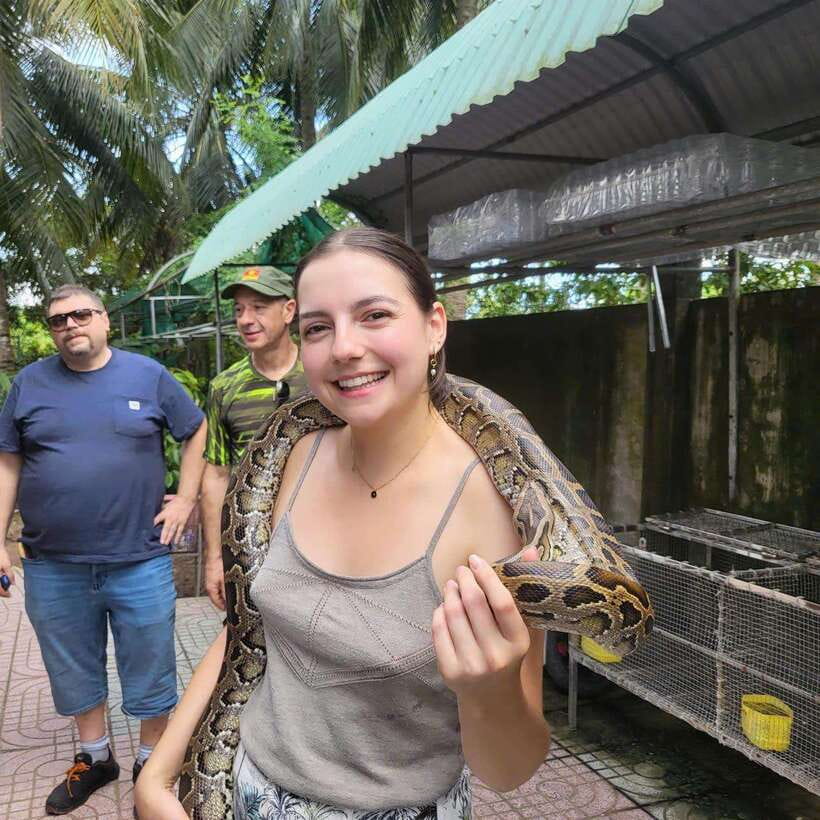
Next is Unicorn Island, reached by motor cart. You’ll hear traditional Southern Vietnamese folk music, and you’ll usually have chances to taste seasonal tropical fruits while the music plays. This is the kind of cultural stop that works best when you treat it like a living moment instead of a performance.
Then you move to something delightfully specific: a bee farm, including honey tea and exploring the setup where honey frames are handled. If you’re curious about how farming turns into everyday products, this is one of the clearer explanations on the route.
The day also includes a hands-on Vietnamese cooking class. Cooking classes can sometimes feel like a sales pitch, but this one is valuable because it connects ingredients from the Delta to real flavor. Even if you don’t become a chef by the end, you’ll understand what locals cook and why certain flavors show up again and again.
You’ll have a garden-style Vietnamese lunch, then later in the day cross by ferry to continue toward Can Tho. Dinner is on your own in Can Tho, so you can choose what fits your appetite after a full day on the move.
Cai Rang Floating Market at sunrise in Can Tho
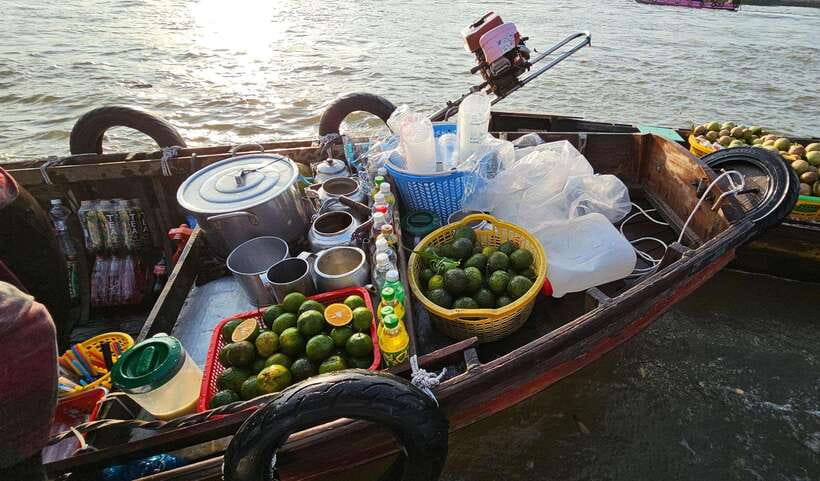
Day 2 starts early—breakfast at 6:30 AM, then a boat ride to Cai Rang Floating Market. This is the moment where the Delta goes from scenery to a working system.
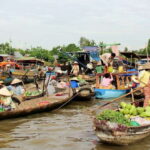
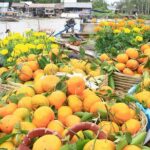
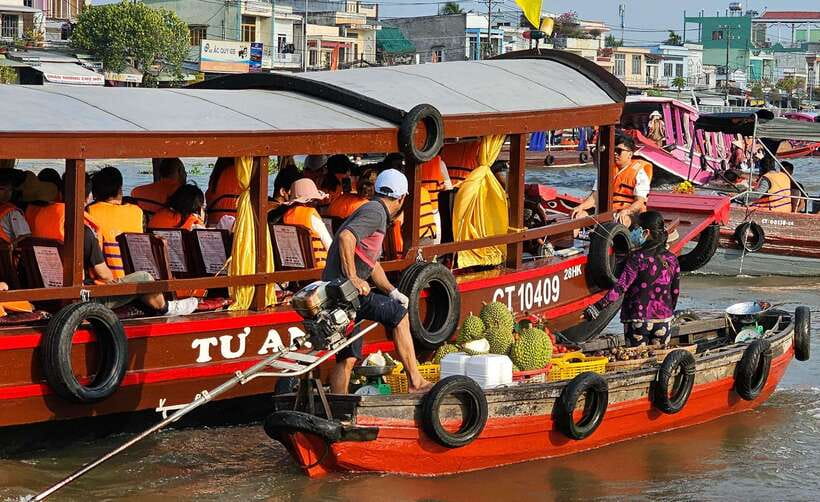
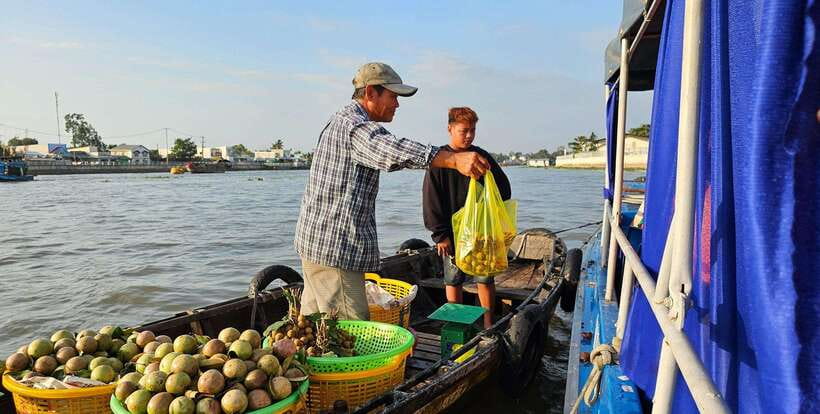
Cai Rang is famous because traders sell directly from their river boats. You see fruits and goods laid out in practical ways, and you understand how timing matters. Going at sunrise changes the feel: you catch the market when it’s active but before it turns into a daytime crowd scene.
After the floating market, you get more variety on land and water. There’s a traditional rice noodle workshop, where you can watch a food process that’s basic in Vietnam but still pretty fascinating once you see the steps. Then you take a boat ride that includes fresh pineapple tasting—small, but it connects you back to what people bring to market.
You also explore a local market in the city center, giving you a contrast between the floating economy and what happens onshore.
Then you transfer toward Chau Doc by private car, with lunch along the way. Arriving around 5:00 PM, you get free time in Chau Doc. Dinner is again on your own, so this is a good chance to pick something simple and local without rushing.
Tra Su Cajuput Forest by motorboat: birds and quiet water
Tra Su Cajuput Forest is where the trip slows down in the best way. After reaching Chau Doc, you head into the forest area for a motorboat ride through the waterways.
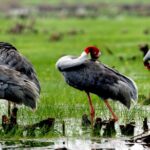
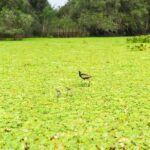
What makes Tra Su special on this route is its birdlife. You’re told the forest is home to more than 70 bird species, including rare Indian storks. Even if you don’t spot every species, knowing the habitat supports that kind of wildlife changes how you watch the water and the trees.
The feel here is different from the market day. Cai Rang is busy and transactional. Tra Su is quiet and observational. You’re moving through channels where the forest shapes the light and sound.
Practical travel advice: this is another day with a lot of outdoor time and boat time. Insect repellent is not optional in spirit, especially near forest wetlands. Wear breathable clothes and keep water handy.


Chau Doc to Phnom Penh: border crossing and the fast boat exit
Day 3 is your international exit stretch. After breakfast, you head toward the border in the early morning. The key detail is that the group handles ticketing and immigration procedures as part of the process, so you’re not scrambling for paperwork directions.
Then you board the fast boat to Phnom Penh, landing around 1:30 PM. That arrival time matters because it gives you a half-day buffer to sort out your next steps in Cambodia without arriving at midnight or losing a full day to transit.
One practical note came up in a past guest’s experience: Cambodia visa rules and payment can be confusing if you don’t plan carefully. The tour data here says the Cambodia visa fee ($40) is not included, and you should have your passport ready for entry procedures. Another traveler reported that an e-visa wasn’t accepted for them and that visa payment in euros versus USD caused an unfair exchange outcome. That’s a reminder to check what payment forms are accepted and what exchange rate you’ll be given, before you arrive.
Price and what you truly get for $276
At $276 per person for 3 days, this tour feels like decent value if you compare it to buying pieces separately. You’re paying for a full chain: air-conditioned transport, an English-speaking guide, entrance fees, two lunches and two breakfasts, and multiple boat experiences—including the Tra Su boat ticket and the boat transfer to Phnom Penh.
You’re also getting activities that cost money and time: a coconut candy workshop, biking on Unicorn Island, a bee farm visit, and a hands-on cooking class. Those are the kinds of stops that often add up fast when you plan them one by one.
What’s not included also matters:
- Dinners not specified (so 2 dinners are on your own)
- Drinks and personal spending
- A single room supplement
- The Cambodia visa fee ($40)
So yes, it costs money. But it’s not just “sit on a bus.” You’re paying for a structured route that covers multiple highlights and handles the border/boat logistics.
Still, the one drawback to watch is lodging quality. One review complained about an overnight room without a window and said it didn’t feel consistent with what they expected at the price. If you’re sensitive to room comfort, message the provider ahead of time and ask what rooms are like.
Guides like Emma, Ry, and Lanc can make or break it
The tour’s success often comes down to timing and tone, and the guide quality sounds strong. One past guest praised Emma as entertaining and genuinely helpful, calling her a credit to the company. Another guest mentioned Ry for excellent English and interesting explanations. A third noted that Ry and Lanc were attentive and volunteered lots of details about daily life in Vietnam.
That matters because on a route like this, you’re moving through working places: markets, farms, pagodas, and forest waterways. A good guide helps you understand what you’re seeing beyond the obvious photo opportunities.
Who this tour suits best (and who should skip it)
This works best for you if:
- you want a fast, structured route across the Mekong Delta into Cambodia
- you like boats and don’t mind switching between boat types
- you’re happy with early mornings and active days
It may not suit you if:
- you have back problems, are using a wheelchair, or if you’re pregnant
- you’re traveling with children under 3 years old
Also, keep expectations realistic: you’ll do some walking and you’ll spend meaningful time outdoors. Bring what you need to stay comfortable: passport, comfy shoes, sun hat, sunscreen, water, and insect repellent.
Should you book this Mekong Delta to Phnom Penh exit tour?
I’d book it if you want a one-ticket solution that strings together the Mekong Delta’s most recognizable experiences—Vinh Trang Pagoda, Cai Rang Floating Market, and Tra Su Cajuput Forest—plus a practical exit into Phnom Penh by fast boat.
I’d think twice or ask questions first if:
- you are picky about hotel room comfort (especially windows)
- you want zero surprises with Cambodia entry costs and payment methods
- you dislike early starts and long travel segments
If you’re flexible and you enjoy moving with purpose, this tour gives you a lot of “Vietnam on water” for your money—without forcing you to coordinate boats, timing, and border procedures alone.
FAQ
What is the duration and route of this tour?
It’s a 3-day experience taking you from Ho Chi Minh City area through the Mekong Delta (My Tho, Ben Tre, Can Tho, Tra Su Forest, Chau Doc) and then exiting by fast boat to Phnom Penh.
When do you start on Day 1, and where is pickup?
Day 1 begins around 7:30 AM. Pickup is from 243 De Tham Street or your hotel in central District 1.
What meals are included in the price?
The tour includes 2 lunches and 2 breakfasts as specified in the schedule. Dinners are not included unless stated in your day’s plan.
Do you visit Vinh Trang Pagoda?
Yes. You visit Vinh Trang Pagoda, described as the largest and most iconic Buddhist temple in the Mekong area, on Day 1.
Is Cai Rang Floating Market included, and is it at sunrise?
Yes. You visit Cai Rang Floating Market on Day 2 at sunrise.
What happens at Tra Su Cajuput Forest?
You explore Tra Su Cajuput Forest by motorboat. The forest is described as home to more than 70 bird species, including rare Indian storks.
Are there boat trips on the Mekong Delta during this tour?
Yes. You do a Mekong River cruise, a hand-rowing boat ride through coconut-lined canals, and additional boat time around Can Tho and Tra Su. You also take a fast boat to Phnom Penh on Day 3.
What’s included for the Tra Su Forest visit?
You have the Tra Su boat ticket included for the motorboat exploration.
Is the Cambodia visa fee included?
No. The Cambodia visa fee ($40) is listed as not included.
What should I bring, and what’s not allowed during the trip?
Bring your passport, comfortable shoes, sun hat, camera, sunscreen, water, and insect repellent. The tour notes no smoking, no littering, and no alcoholic drinks in the vehicle.