REVIEW · HO CHI MINH CITY
From Ho Chi Minh: 3-Day Mekong Tour&Cai Rang Floating Market
Book on GetYourGuide →Operated by Travel over the world · Bookable on GetYourGuide
Cai Rang gets going early. This 3-day Mekong Delta route pairs boat time with real life on the water and along the canals, plus temple visits that add culture beyond the scenery. I especially like how Cai Rang Floating Market comes to you by morning boat, while the day before mixes orchards, villages, and food stops in Cai Be.
What also works well is the mix of nature and heritage: Tra Su’s mangrove waterways, then Chau Doc’s markets and religious sites like Munir Ansay Pagoda and the cave-and-stone art of Hang Temple. One consideration: the schedule is full, and it may feel heavy if you mainly want two things—say, only one market morning plus minimal temple time.
In This Review
- Key Highlights You’ll Actually Remember
- Day 1 from Ho Chi Minh: Cai Be Orchards, Canals, and Coconut Snacks
- Day 2: Cai Rang Floating Market Morning, Munir Ansay Pagoda, and Tra Su Rowboats
- Tra Su Forest: Mangrove Green with Rowboat Quiet
- Day 3: Chau Doc Market Life, Cham Village Culture, and Hang Temple in Sam Mountain
- Guides and Group Experience: Why the Right Guide Makes It Feel Worth It
- Price and Value: What $189 Includes (and What You’ll Still Pay For)
- Meals and timing
- Accommodation is not included in the $189
- Practical Tips That Help on Boat Days and Temple Time
- Who This Mekong Tour Fits Best
- Should You Book It?
- FAQ
- FAQ
- Where does the tour start and end?
- What are the main stops on the 3 days?
- Are boat rides included?
- Are meals included in the price?
- Is accommodation included?
- Do I get bicycle time?
- What language is the guide?
- How much is the extra cost for a single room?
Key Highlights You’ll Actually Remember
- Cai Rang Floating Market by morning boat: you see how trade works when the water is still cool and quiet enough to take it in
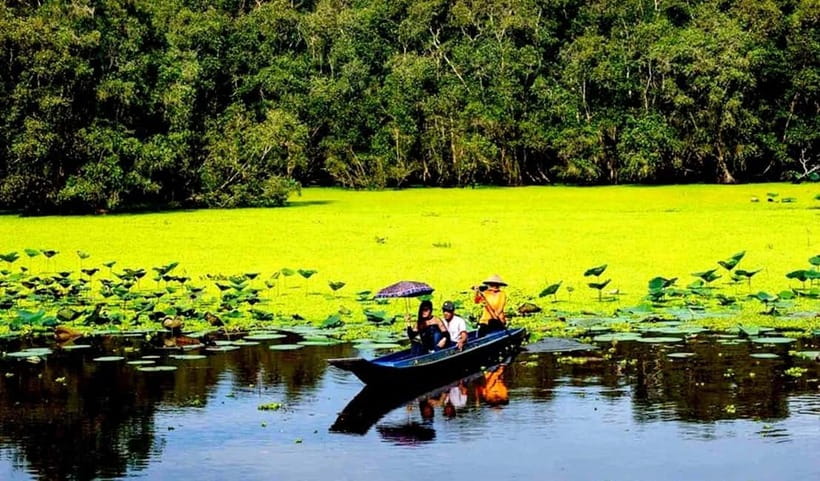
- Tra Su mangrove forest rowing boats: green waterways with wildlife and photo-worthy stillness
- Khmer and Buddhist sites, not just sightseeing: Munir Ansay Pagoda and Hang Temple’s sculpture details
- Cai Be orchard villages and food production: coconut fudge and crispy rice popcorn-style snacks from local hands
- Chau Doc market time on the ground: produce, handcrafted items, and regional imports
Day 1 from Ho Chi Minh: Cai Be Orchards, Canals, and Coconut Snacks
You start bright and early, with hotel pickup in Ho Chi Minh City around 07:30, then head toward Cai Be. The payoff here is that you’re not just driving through the Mekong Delta—you’re dropping into it with river transport and a slow, human pace once you arrive.
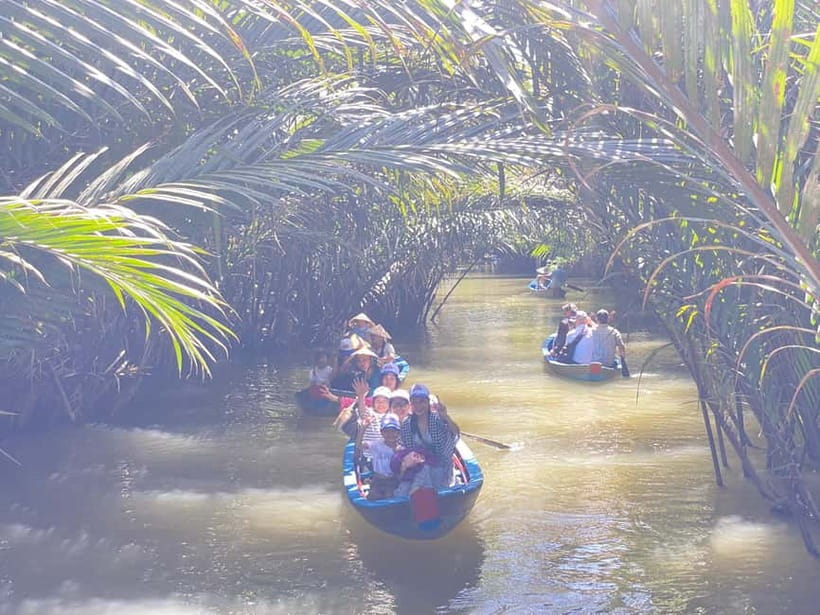
Cai Be is famous for its orchard gardens, and your boat ride on the Tien River is built around that idea. Expect canal cruising through fruit-growing areas and small villages where older houses and local cultures show up in daily routines. This is the part of the trip that feels most like stepping into the Lower Mekong’s rhythm rather than checking a list of attractions.
A standout stop is the family business where you taste products made on-site, including coconut fudges and crispy rice popcorn. That kind of “try it here, see how it’s made” stop is more meaningful than a souvenir shop, because you get a small window into how people earn a living from agriculture and local processing.
You’ll also enjoy Southern Vietnamese folk music during the day. It’s a small detail, but it helps the region feel lived-in instead of staged. Lunch is served in a local garden setting, and that matters because it turns the meal into part of the experience rather than an interruption.
Then there’s cycling through orchards and time interacting with islanders—enough to ask questions about everyday life, land, and boats. After all that, you return by boat to Cai Be and move on to Can Tho for an overnight stay.
Possible drawback: Day 1 can feel like a lot of variety—boat, villages, food-making, music, cycling—so if you’re the type who wants fewer stops and more quiet, bring an extra layer and plan to go with the flow.
You can also read our reviews of more shopping tours in Ho Chi Minh City
Day 2: Cai Rang Floating Market Morning, Munir Ansay Pagoda, and Tra Su Rowboats
Day 2 starts around 06:00 with breakfast at the hotel, then you head out for a boat ride exploring tributaries along the Hau river toward the day’s main event: Cai Rang Floating Market.
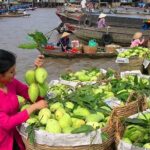
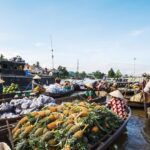
This is one of the best reasons to choose this tour. Seeing Cai Rang from the water is different from watching photos after the fact. You catch the market as a working system: boats arranged for trade, people handling goods, and the slow bustle of commerce in a place where water is the road.
After Cai Rang, you get a walking tour connected to local noodle production. Even if you’re not a food historian, it’s a practical kind of cultural stop—how ingredients, labor, and daily cooking connect back to the river economy.
Next comes Munir Ansay Pagoda, a Khmer temple with architecture you’ll notice right away. This is the trip’s cultural pivot: you go from market activity to a place of worship and craftsmanship. It’s also a helpful break from water-only time, because you walk and see details up close.
Then you head to the Con Son area by boat, where fruit plantations and seasonal fruits are the focus. This part is a nice balance after the market morning. You’re not just watching people buy fruit—you’re seeing the land and seasonality behind what ends up on boats.
Lunch comes before you depart for Chau Doc. In other words, you get fuel before the next shift: nature.
Tra Su Forest: Mangrove Green with Rowboat Quiet
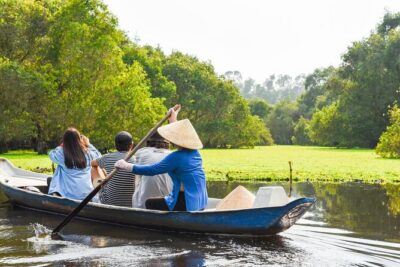
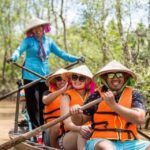
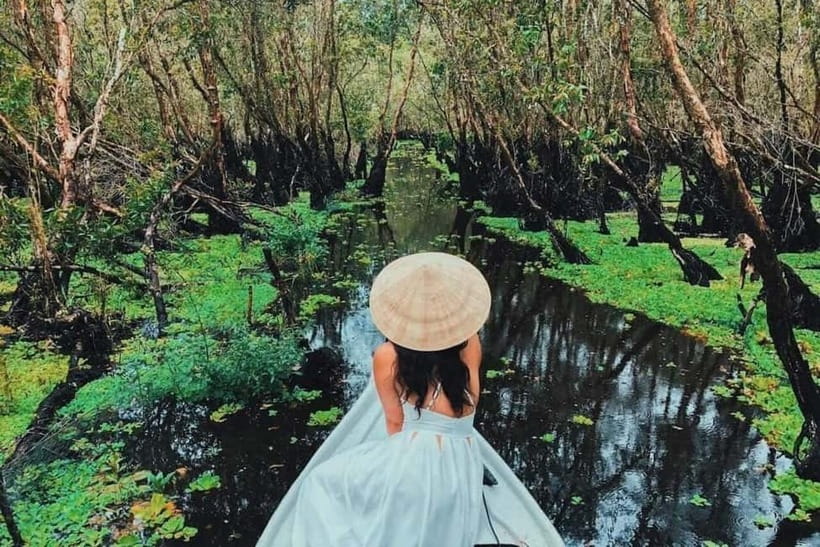
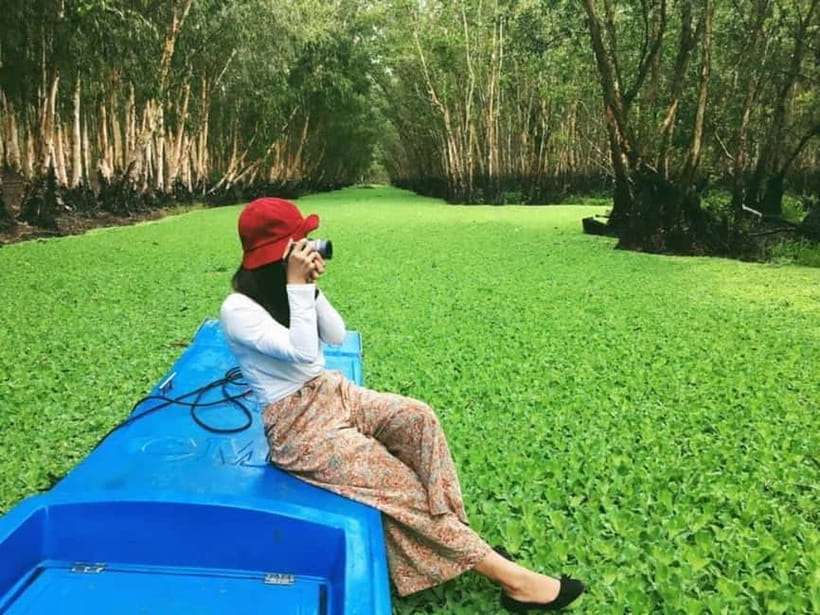
In An Giang, you visit Tra Su Forest, known for mangrove ecosystems and diverse flora and fauna. What you’ll do on this tour is a rowing boat journey through the forest’s green waterways. It’s calmer than the market side of the day, and the views tend to feel more slow and personal.
The rowboat format matters. You’re not just sitting in a motorized seat while scenery blurs past. You’re moving through narrow channels, which makes it easier to notice the shapes of mangrove trees and the feeling of living water.
You check in to your hotel in Chau Doc and finish the day with dinner at a local restaurant. For many people, this day is the most memorable because it stacks market + temple + nature in one push.
Possible consideration: if you’re tired of going from one activity to another, Day 2 may feel full. One practical tip that can help: if your goal is mostly Cai Rang, you might prefer spending more time around the market morning and reducing how much you do in the Tra Su/Chau Doc nature mix.
Day 3: Chau Doc Market Life, Cham Village Culture, and Hang Temple in Sam Mountain
Day 3 starts with checking out, breakfast, and then a cultural route through Chau Doc’s local heritage. You visit a floating village and the Cham Village to learn about the shared cultural history between the Cham people and the Mekong Delta region.
This isn’t just a photo stop. The idea is to see how communities adapted to water life and how culture continues through craft, language, and community structure. Even if you don’t speak the local languages, you’ll likely pick up a lot from your guide’s explanations.
Then you head to Chau Doc Market. This is where you get the region’s everyday energy on land. You’ll see fresh produce, handcrafted goods, and unique Cambodian imports. The food smells alone can pull you into the market atmosphere fast, and it’s a good place to slow down and browse what’s actually for sale right now.
Next is Hang Temple on Sam Mountain. This part is physically straightforward but emotionally rewarding: you walk a path through greenery to reach a cave sanctuary. Inside, you’ll find intricate Buddhist sculptures, and the setting gives the art a different mood than temples in flat cities. It’s less about grandeur and more about stillness and detail.
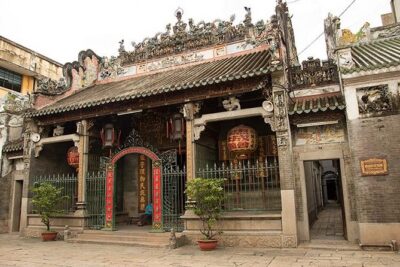
After Hang Temple, you pay respects at Ba Chua Xu Temple. This site is deeply revered by locals, and you’ll have time to offer prayers for good fortune. Whether you’re religious or not, this is one of those stops that helps you understand the region’s spiritual landscape through how people behave there.
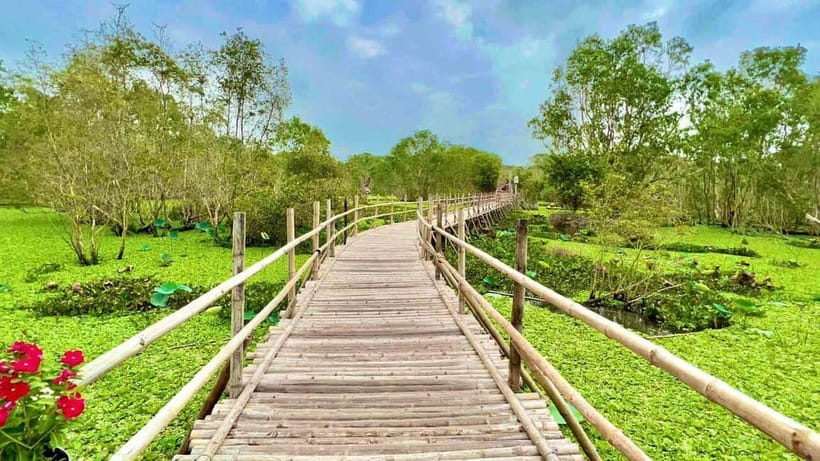
Lunch follows, and then you have time to capture lotus fields when they’re in full bloom. Timing matters here—lotus season changes with conditions—but the tour builds in the chance to see it if it’s happening.
Finally, you visit Go Thap historical site. On a route full of markets and boats, this last stop gives your brain something different: history as an anchor at the end of the trip.
Possible drawback: Day 3 is concentrated: village, market, mountain temple, cave sculptures, another temple, lotus photos, then a historical site. If you like your travel days lighter, plan to rest a bit after this one.
Guides and Group Experience: Why the Right Guide Makes It Feel Worth It
This kind of tour lives or dies by the guide. The good news: the experience can be led by guides such as Vi, Lâm, Leo, or Daisy, and the consistent theme is clear communication and real engagement with the group.
Vi stood out for being friendly and well-informed, and he also handled schedule changes when needed so the planned sights stayed intact. Lâm was described as articulate and reliable, with a sense of humor that can make long travel segments feel shorter. Leo was always available and helpful, which matters when you want to ask questions mid-morning without feeling rushed. Daisy earned strong praise for adding extra context about the country and its people, while still being ready to respond to requests.
What does that mean for you? It means you’re less likely to treat the Mekong Delta like a blur of stops. With a good guide, you’ll understand why Cai Rang looks the way it does, what the Khmer and Buddhist temples represent in the local story, and why certain villages and food-making spots matter beyond “because it’s on the route.”
Also, hotels are part of the comfort equation. One review highlighted comfortable lodging and excellent breakfasts chosen by the company. That doesn’t make the tour less “authentic,” it just helps you recover between active days.
You can also read our reviews of more tours and experiences in Ho Chi Minh City
Price and Value: What $189 Includes (and What You’ll Still Pay For)
The price is $189 per person, and it’s positioned as a tour with a lot bundled in. Here’s what’s included:
- Transfers
- Boat rides
- Bicycle rental
- Lunch and dinner on selected days
- Entrance fees to all sites
- English-speaking guide
That’s a serious list for a 3-day trip because it covers the cost drivers: transport, boat time, guide time, and site entries. If you tried to piece together a similar route on your own, you’d likely spend more once you add boat logistics, local transport, and guided entry tickets.
Meals and timing
The itinerary includes meals across the days:
- Day 2: breakfast, lunch, and dinner
- Day 1: lunch
- Day 3: breakfast and lunch
Dinner on Day 3 isn’t listed, so don’t count on it being included.
Accommodation is not included in the $189
Accommodation is listed as not included. Even so, the itinerary clearly includes an overnight in Can Tho and a second hotel check-in in Chau Doc, so you’ll need to budget separately or confirm how the operator handles lodging in practice. If you’re traveling alone, there’s also an extra single room fee of 900,000 VND.
My value take: if you want guided boat-and-market access without spending your vacation coordinating transport and timing, the included transfers, entrances, and English guide make the $189 feel more “fair” than it looks at first glance.
Practical Tips That Help on Boat Days and Temple Time
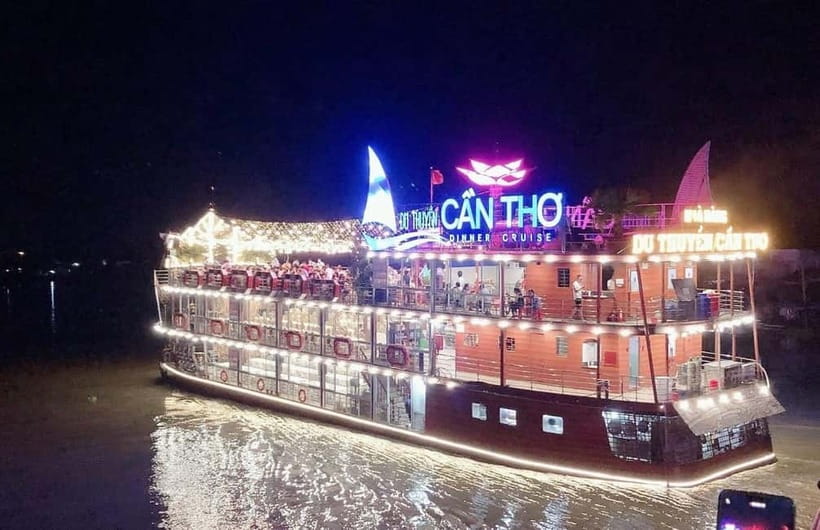
Here’s how to make this tour feel smooth, not stressful.
First, plan for early mornings. The day starts around 07:30 on Day 1 and around 06:00 on Days 2 and 3. That means sleep matters. If you’re sensitive to jet lag or early starts, give yourself a softer evening before Day 1 begins.
Second, dress for sun and humidity. You’ll be on boats, walking temple steps, and going into cave spaces at Hang Temple. Bring a light layer for air-conditioned rides, and wear shoes with grip for mountain paths.
Third, bring small money for market browsing. Chau Doc Market includes Cambodian imports and plenty of handheld goods. The tour covers entrance fees and planned stops, but you’ll still want room in your day for extra purchases if something catches your eye.
Finally, don’t overpack. You’ll likely carry water and a light bag for the day, but you don’t want a heavy backpack during cycling in orchards or when moving between multiple stops.
Who This Mekong Tour Fits Best
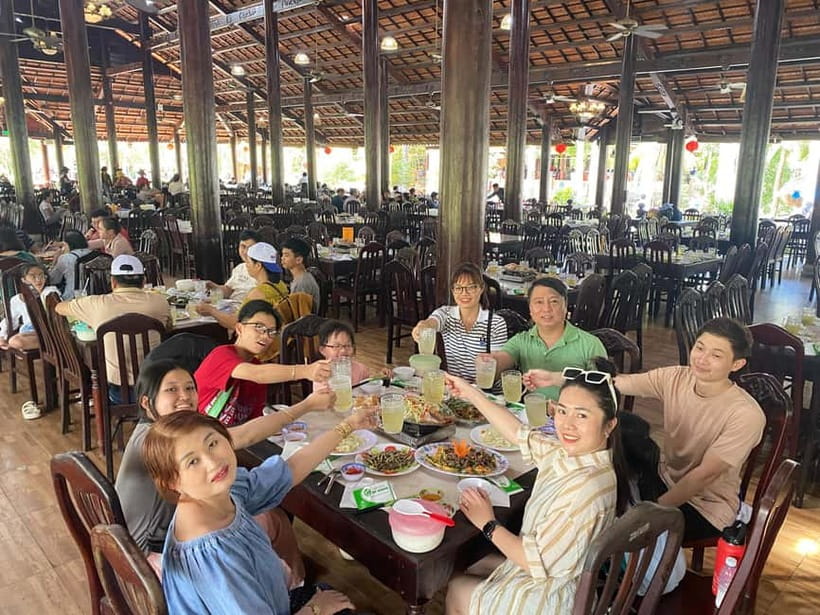
This tour is a strong match if you want:
- A guided way to see Cai Rang Floating Market without guessing schedules
- A balanced mix of water life, orchards, temples, and markets
- An English-speaking guide who adds context, not just directions
It’s also a good fit if you enjoy food culture. Coconut fudge, local noodle production stops, and fruit plantation tastings give you more than scenery. If you’re less interested in temples, you can still enjoy the main hits—boat rides and markets—but Day 2 and Day 3 pack in religious sites.
And if you’re the kind of person who likes “intense” travel days—short segments, fast transitions, lots of seeing—this itinerary will suit you.
Should You Book It?
I’d book this tour if your priority is Cai Rang Floating Market plus a well-rounded Mekong Delta sampler in just three days, with boat rides and English guidance handled for you. The price makes sense when you factor in transfers, boat time, entrance fees, and meals on most of the days.
I might choose a shorter or more focused option if you’re mainly chasing one highlight and you don’t want a packed schedule. One practical idea: if Tra Su Forest and Chau Doc market time don’t interest you as much as the Cai Rang morning itself, then the trip can feel like too much of a good thing.
FAQ
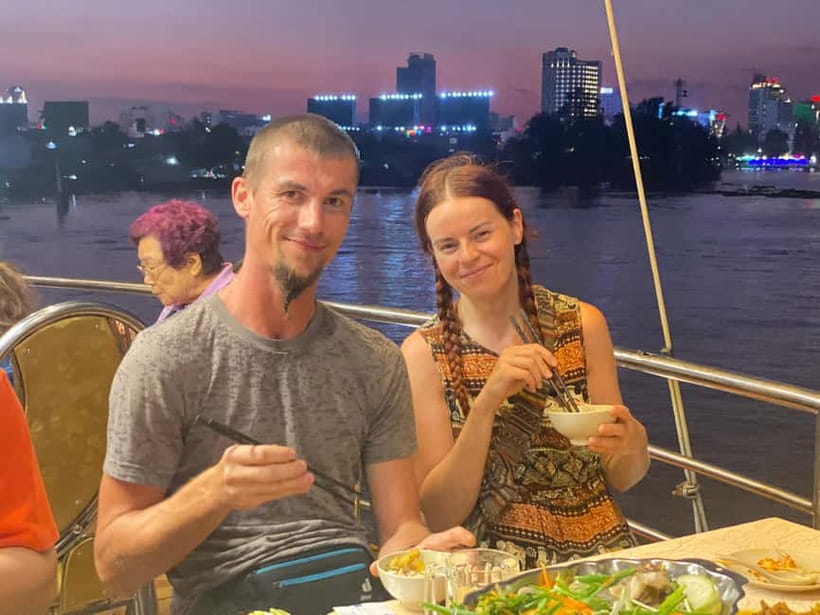
FAQ
Where does the tour start and end?
It starts with pickup in Ho Chi Minh City around 07:30 on Day 1 and ends back in Ho Chi Minh City on Day 3.
What are the main stops on the 3 days?
You’ll visit Cai Be and Can Tho on Day 1, then Cai Rang Floating Market, Tra Su Forest, and Chau Doc on Day 2. On Day 3 you’ll see the floating village, Cham Village, Chau Doc Market, Hang Temple, Ba Chua Xu Temple, lotus fields, and Go Thap.
Are boat rides included?
Yes. Boat rides are included throughout the itinerary, including time on the Tien River and visits by boat around the Hau river and market areas.
Are meals included in the price?
Lunch and dinner are included on selected days. The itinerary lists Day 2 as B/L/D and Day 3 as B/L, with lunch on Day 1.
Is accommodation included?
No. Accommodation is listed as not included in the price, even though the schedule includes overnight stops in Can Tho and Chau Doc.
Do I get bicycle time?
Yes. Bicycle rental is included.
What language is the guide?
The tour includes an English-speaking guide.
How much is the extra cost for a single room?
If you travel alone, there’s an extra single room cost of 900,000 VND.